Beyond Bins…

By Kumar Kalyandurg, Secretary, Green Circle, Bangalore

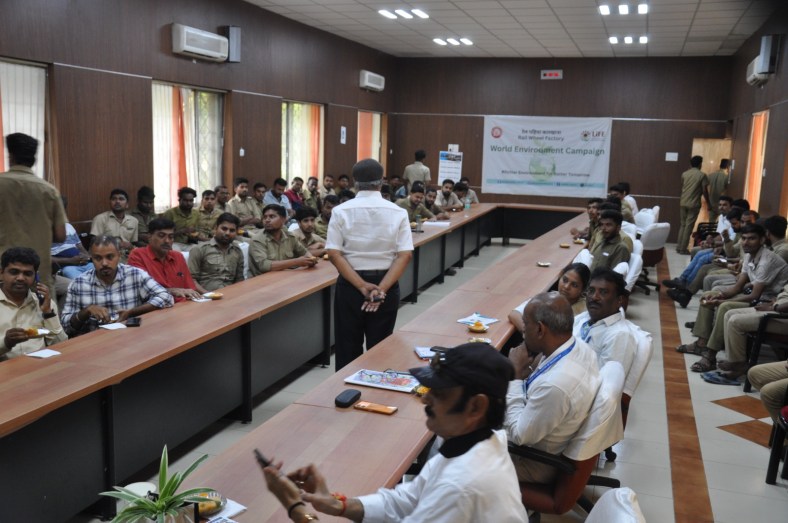
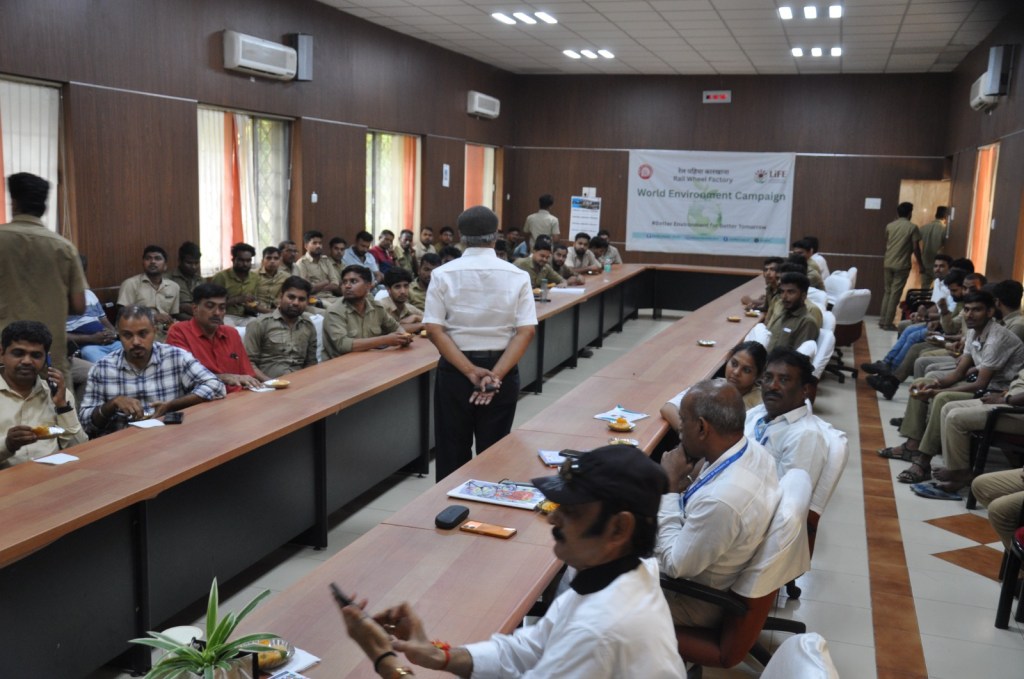
Bangalore: Rail Wheel Factory in Yelahanka, Bangalore, is a premier manufacturing unit of Indian Railways established in 1984 in a sprawling campus. It produces high-quality steel wheels, axles, and wheelsets for Indian Railways. It is a fully government-owned enterprise under the Ministry of Railways. The factory has been organising environment-related campaigns like Swachhata Pakwada, World Earth Day and World Environment Day events. Dr V Selvarajan was called as the guest speaker on 26.5.26 at their TTE Auditorium to address their 70-plus Trainee engineers. Using a PowerPoint presentation on BEYOND BINS, he highlighted the importance of the new Solid Waste Management Rules 2026, which came into force from 1st April 2026. The importance of the present rules as against the previous rules enacted in 2026 is the envisaged role of Bulk Waste generators (BWG), which generate more than 100 KG solid waste in a day. He added, “This includes big apartments, gated communities and institutions and is expected to reduce the dumping of waste in landfills to the tune of 30%” He also emphasized, “While the bins had been increased to two types from the existing two types, namely dry, wet, sanitary and special category (hazardous) wastes, the focus does not stop in increasing the number of bins”. He titled this talk “BEYOND BINS” to emphasize a circular model that focuses on recycling and recovering reusable items from waste, moving beyond just source segregation. This proposed approach represents a significant shift from a linear economy to a circular economy. The workshop, attended by 70 trainee engineers, was organised by Environment Officer, Sandesh Kini, Senior Section Engineer, Environment Cell,  Rail Wheel Factory, Yelahanka, as part of their environment day celebration. At the end, Dr Selvarajan and  Kumar Kalyandurg of Green Circle were felicitated for their works in the field of environment by Mahantesh, Works Manager, Quality Systems, Rail Wheel Factory.
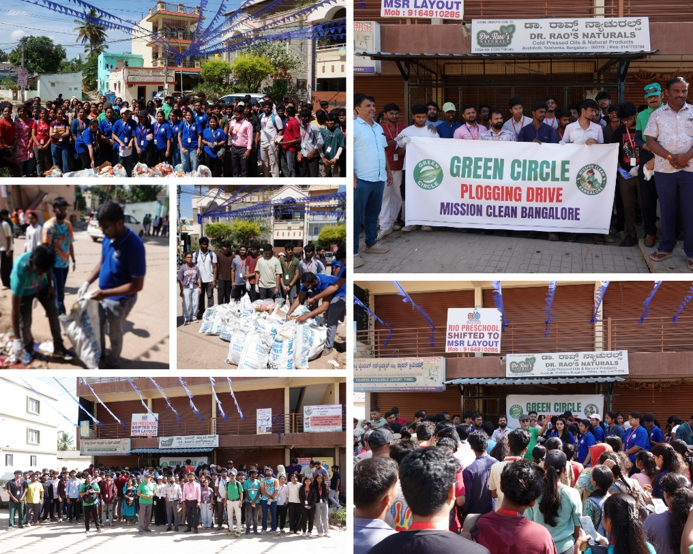
NSS Plogging drive

Bangalore: Green Circle organized a plogging drive on May 9, 2026, in Avalahalli Village. Although this village is located among urban areas, it remains in better condition than many of its surroundings. Plogging in Avalahalli was easier compared to the nearby urban regions. Over 200 student volunteers from the National Service Scheme (NSS) at BMSIT&M, an engineering college near the village, participated in the event. Green Circle coordinated the plogging drive, which lasted for two hours, with the support of the Singanayakkanahalli Panchayat. The volunteers were divided into smaller groups and assigned different paths: some worked inside the village, others on the road leading to the village, and some along Doddaballapura Road. Wearing gloves, the volunteers collected single-use plastics littered along the roads.

They used cement sacks, typically used for construction, to gather the plastics. In total, nearly 200 kgs of plastic waste were collected, which were then handed over to a truck sent by the Panchayat. Some Panchayat workers also participated in the plogging effort. Additionally, several volunteers went door-to-door in the village to raise awareness about the harmful effects of plastics. Suvarna, an NSS volunteer, shared her experience, saying, “It is interesting to collect discarded plastics. We feel satisfied that we have done something good for Mother Earth. We wish to join more plogging drives and do our part.” Earlier, Nanje Gowda, the Patron of Green Circle, welcomed the participants, and V. Selvarajan, the Chairman of Green Circle, provided instructions to the volunteers. Other Green Circle volunteers included Kiran Taula, Sandip Mukopathya, Manjunath, Namrata, Mohd Saheel, and Jayasree. Professors Manoj and Babu Naik also joined the drive and helped coordinate the activities. Kumar Kalyandurg, Secretary, Green Circle, said, ‘Today’s plogging activity is part of our ‘Mission Clean Bangalore’ program. We will continue to highlight the need for upkeep of the environment in the coming days.’

Eco-friendly Mass marriage

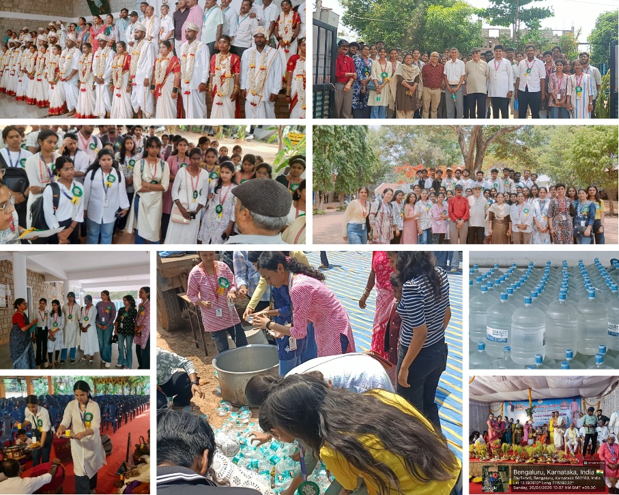
“Environment First, Efforts Must” True to this vision, Green Circle inspired a team of young volunteers from BMS IT & M in Yelahanka, Bangalore, to participate in a mass marriage event organised by People’s Trust. This annual mass marriage, now in its 23rd year, brought together 27 couples along with their families, relatives, and friends to celebrate this unique occasion. Held in a rural setting, the event was a collaborative effort by a committee of various village leaders under the banner of People’s Trust. The couples were selected based on moderate and low-income backgrounds, as per their applications for the mass marriage. The goal of People’s Trust is to minimise costs related to food and expenses that would have arisen if each marriage were conducted separately. Approximately 5,000 people attended the event, all under one roof. Each couple received essential items such as utensils, provisions, wedding garments, garlands, and Mangalya, with local donors generously contributing to make the event possible. Couples were required to pay a nominal registration fee of ₹500, and nothing more. In preparation, the village committee met multiple times over four months to ensure everything was organised.

Last year, Green Circle noted that about 10,000 one-litre PET bottles were used, with only a quarter of each bottle being consumed by guests. As a result, they recommended scrapping PET bottles altogether. However, this proposal could not be implemented for convenience reasons, but the committee discussed the issue extensively and ultimately decided to use half-litre bottles instead. Green Circle was pleased to hear this decision. On the day of the event, Green Circle extended its voluntary services to assist with the organising efforts. A total of 50 BMS IT volunteers actively participated, helping with tasks such as arranging flowers, assisting couples, and serving food. This year, there was a noticeable reduction in waste. Even the plates used were made from dry leaves, and natural foods were served during the marriage ceremony. Crowd management posed another challenge, as the number of guests exceeded expected levels. On the first day, volunteers served water in paper cups; however, due to the hot weather, the demand was so high that the cups ran out before the event ended. Consequently, on the wedding day, half-litre PET bottles of water were distributed instead. Volunteers collected leftover water from each bottle and sent the PET bottles for recycling, while repurposing the collected water to water the plants in the area. By the end of the day, volunteers felt a sense of satisfaction in contributing positively to Mother Earth. Harish Uthaiah, Managing Trustee of People’s Trust, while thanking the volunteers, expressed interest in making the mass marriage a model eco-friendly event next year, as they prepare to celebrate the silver jubilee of this initiative soon.

Biomimicry – learning from nature!

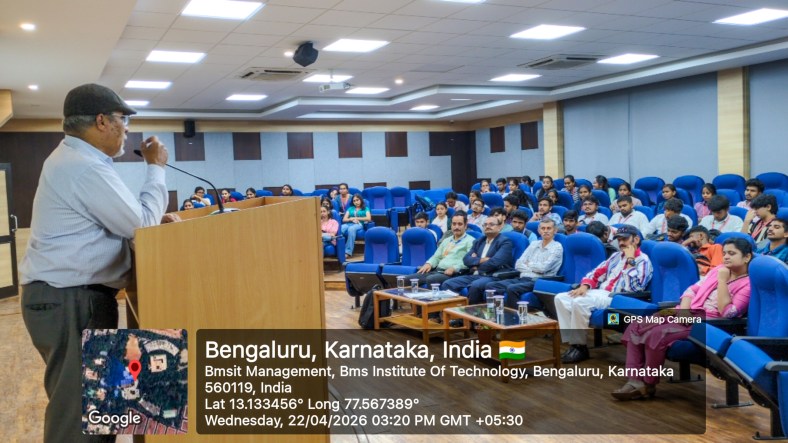
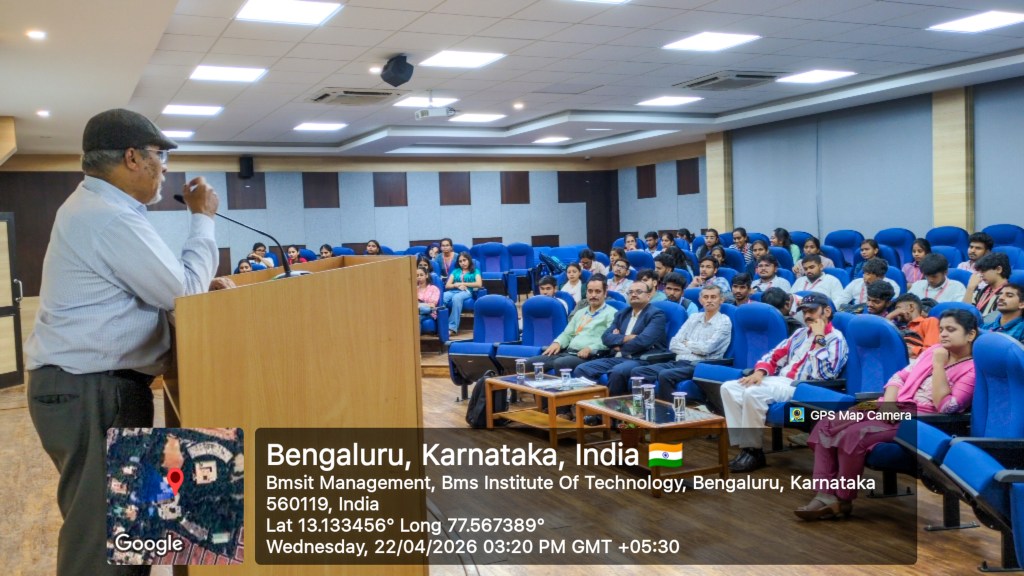
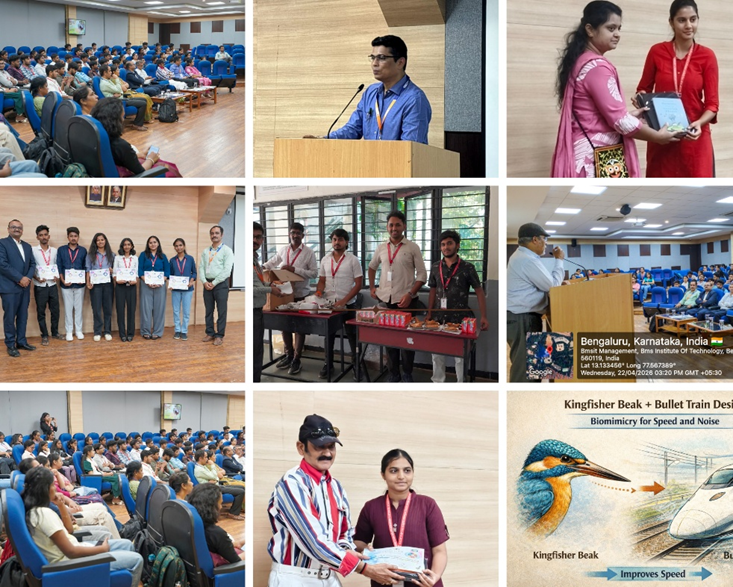
Bangalore: BMS Institute of Technology and Management (BMSIT) organised a Biomimicry event on 22 April 2026. GREEN CIRCLE and the BMS eco club, OIKOS, jointly organised the event to mark World Earth Day. Biomimicry is the practice of learning from nature and using those ideas to solve human problems. The eco club initiative engaged 53 students across 10 teams, each presenting live working models based on biomimicry principles. The projects focused on real-world applications such as water conservation, climate-responsive design, disaster resilience, and sustainable infrastructure. Key innovations included termite mound-inspired passive cooling systems, honeycomb-structured columns, lotus leaf-inspired self-cleaning surfaces, penguin body-based insulation, spider web-inspired earthquake-resistant structures, etc. The models were evaluated by a panel of three juries, including one industry expert, L. R. Phanindra, GE Healthcare, to ensure a balanced assessment of technical feasibility, innovation, and societal relevance. Projects were also mapped to relevant Sustainable Development Goals (SDGs), emphasising their contribution to areas such as clean water, sustainable cities, and climate action. Says Prof Rajesh, ‘the event highlighted the potential of nature-inspired solutions in addressing societal needs and stands as a replicable model supporting the objectives of the Bharat Environment Programme’. The best models were awarded in the felicitation ceremony on the same day. First prize was bagged by Manisha Ramisetty’s team, while second and third places were secured by Anagh Manivarnan’s team and Darshan Gowda’s team, respectively. Dr V. Selvarajan, Green Circle, made a presentation on an eco STP model at People’s Trust based on the cow’s four-chamber stomach designed on the biomimicry principle.  Speaking on the occasion, Principal of BMS IT & M, Dr Sanjay H. A. lauded the efforts of the eco club and encouraged them to do some extracurricular activity on every Saturday. Harish Uthaiah, People’s Trust and Kumar Kalyandurg, Green Circle, were present. Jury members of the Drawing competition, Dr V Selvarajan, Vasantha Kumar, Green Circle, Sreelakshmi B. K., Lumen Technologies and L. R. Phanindra, GE Healthcare, were honoured on the occasion. Rakshitha V, Nedium Chandana, Bhoomika S B, and Machireddy Dhanitha were also awarded the prizes for winning the drawing competition.

Seedball making workshop 22.11.25

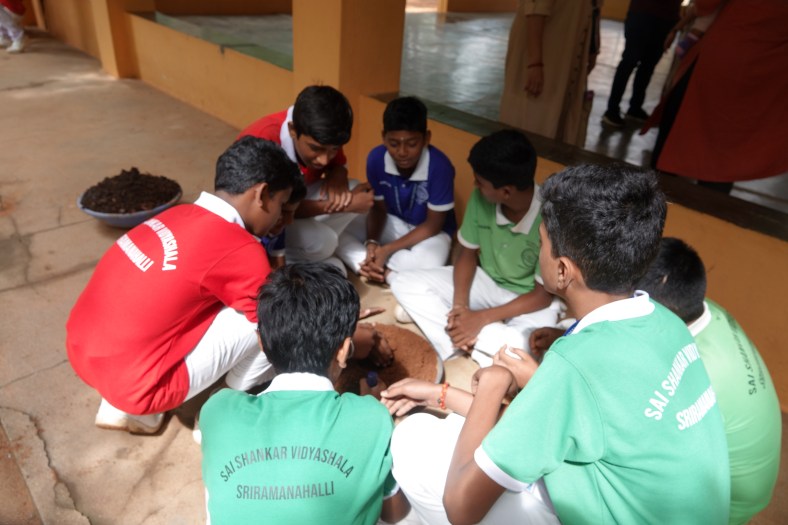
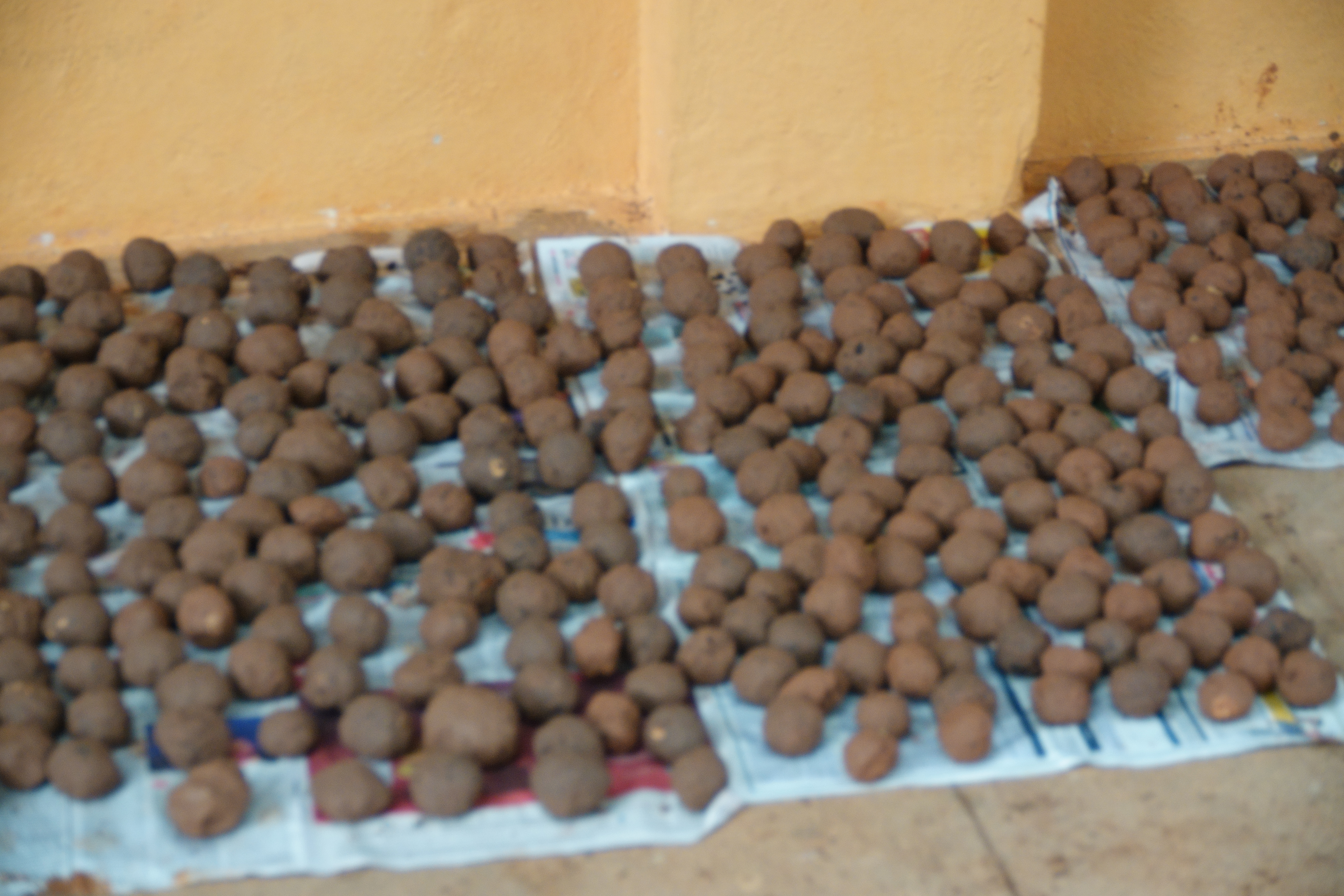
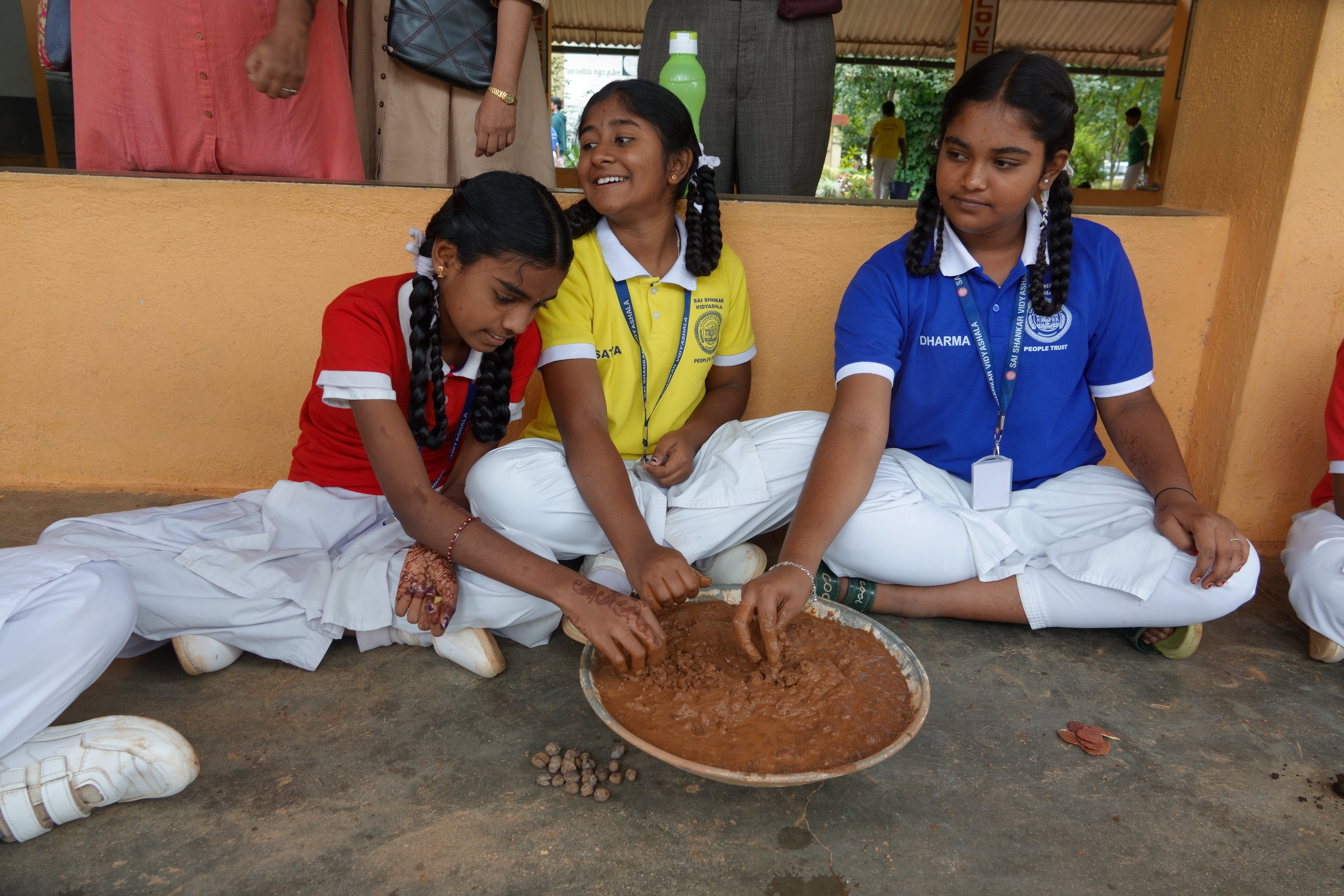
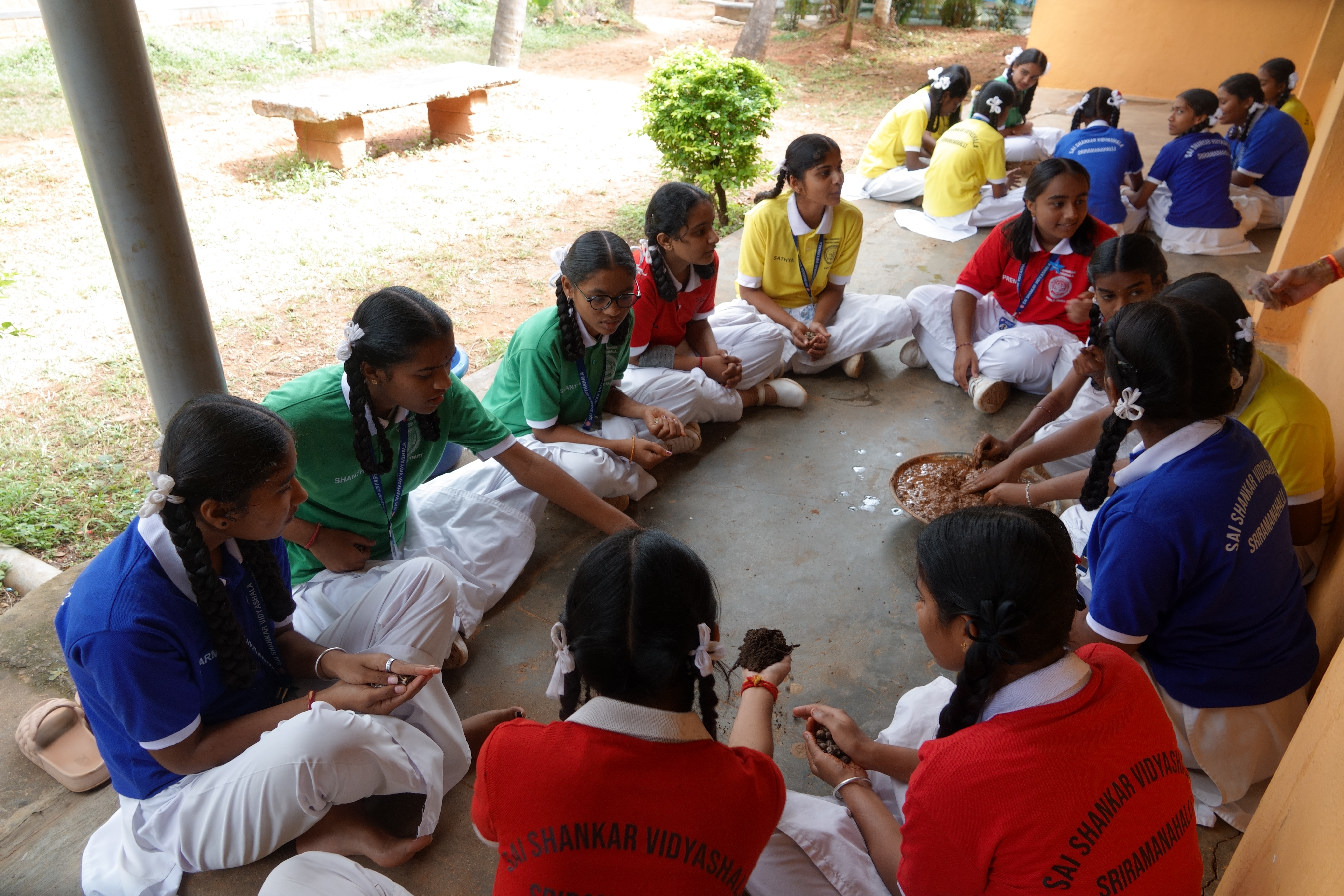
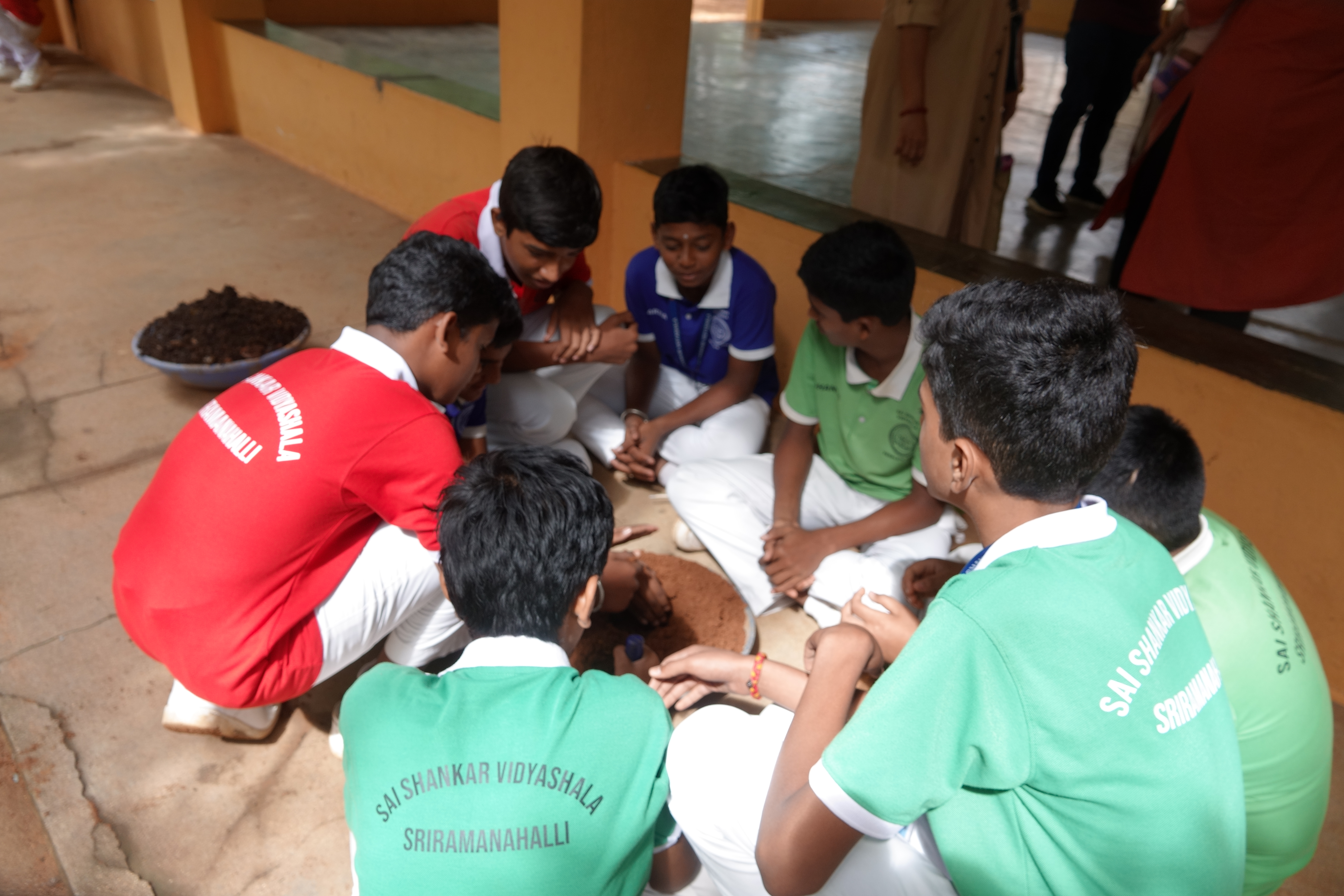
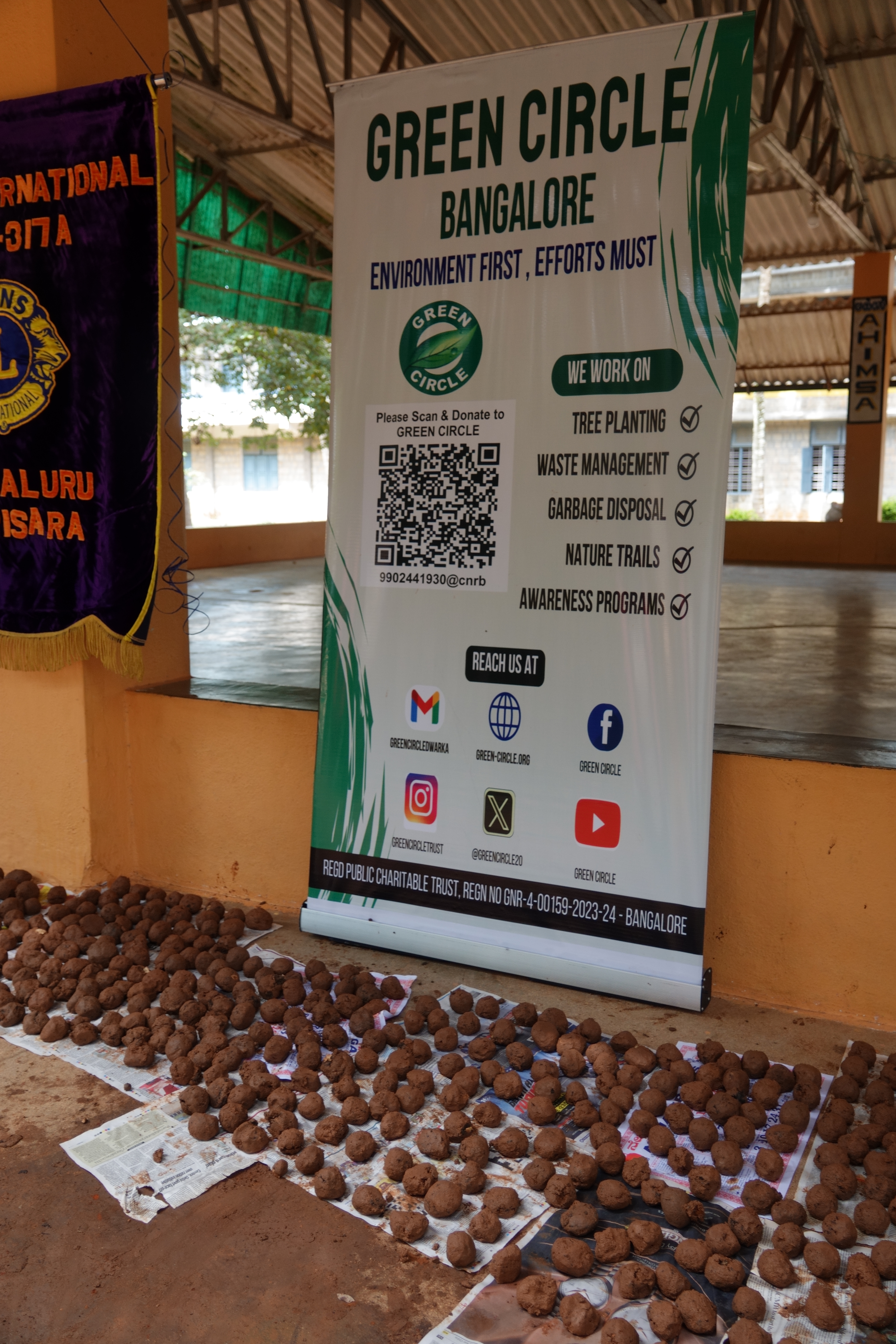
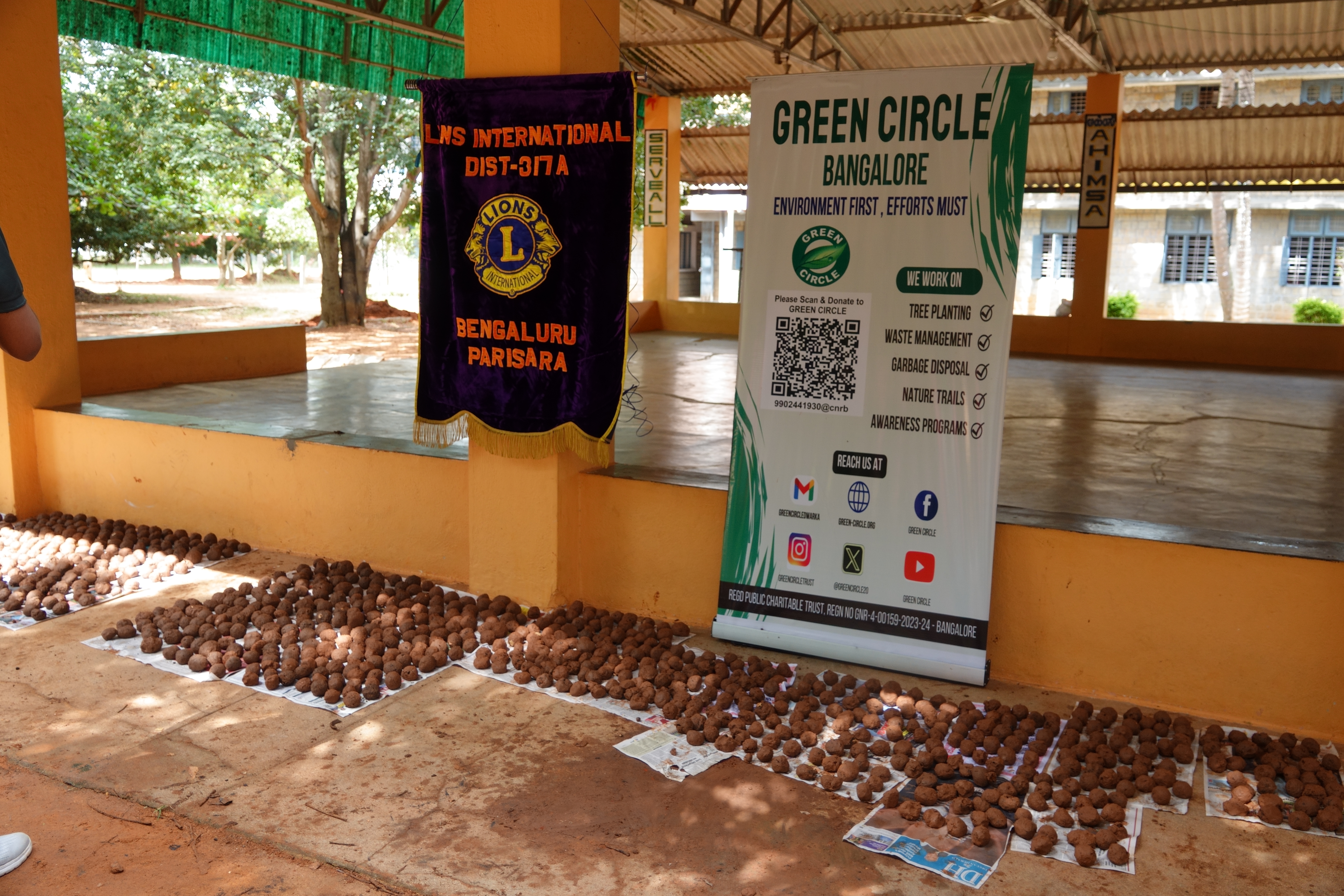
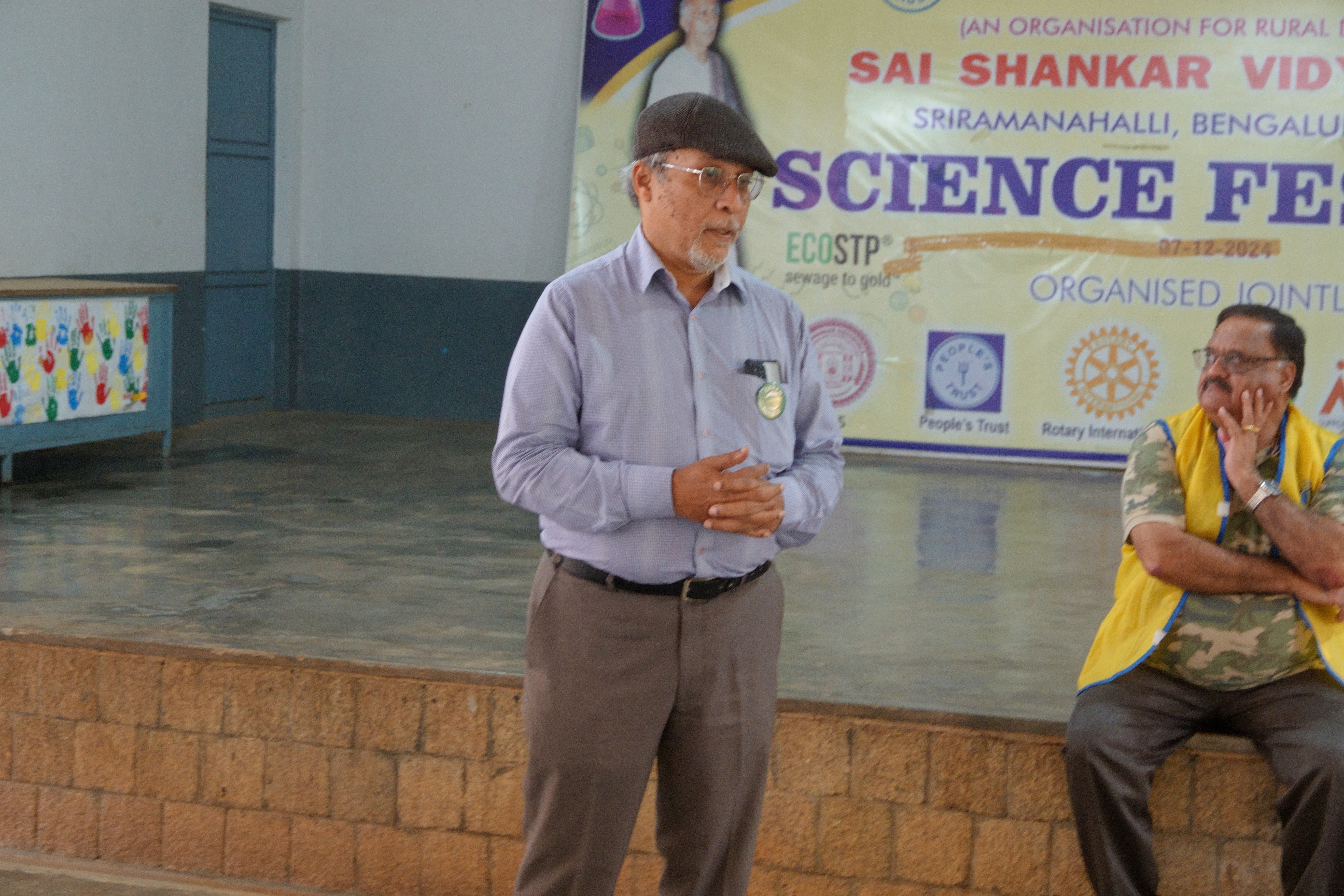
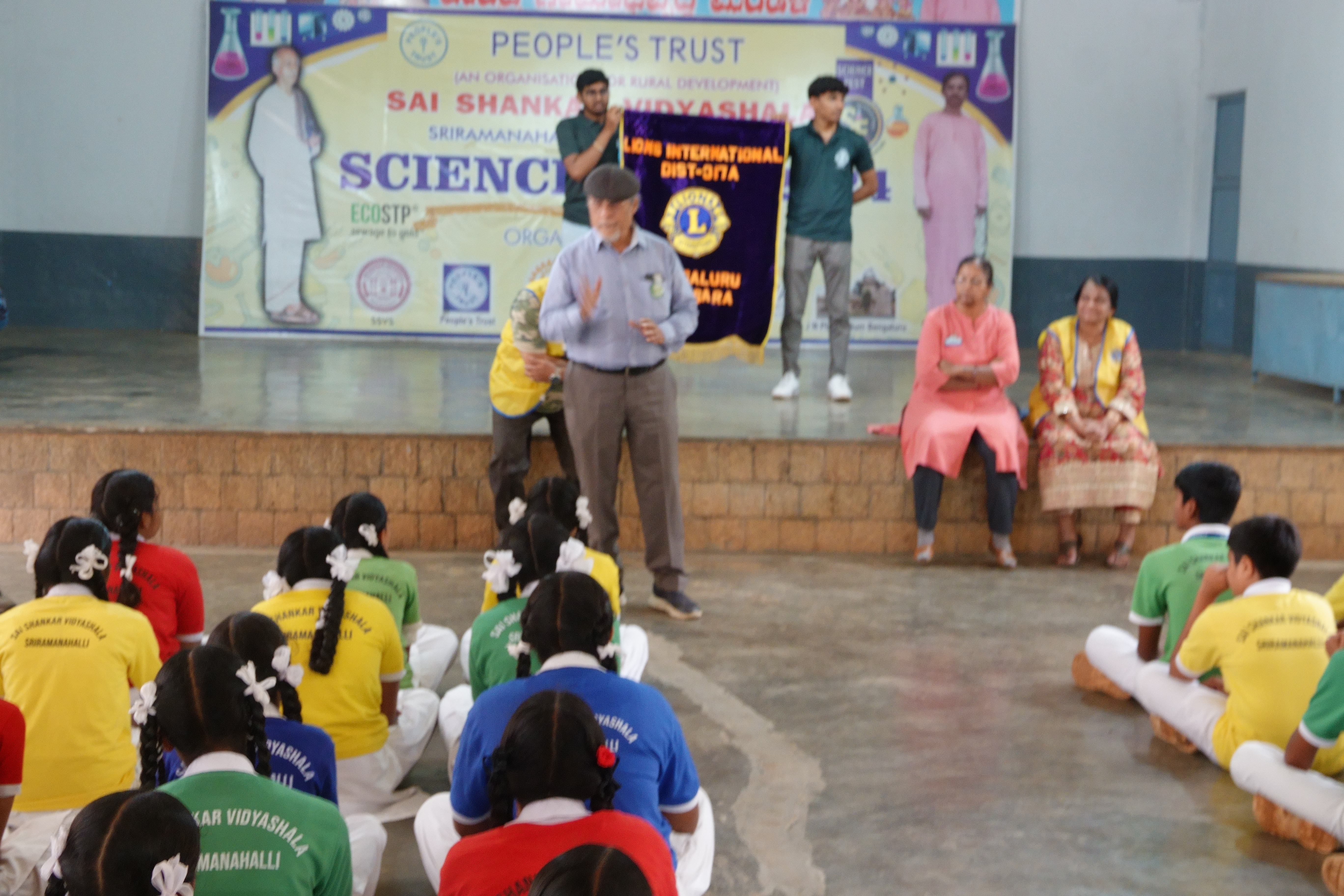
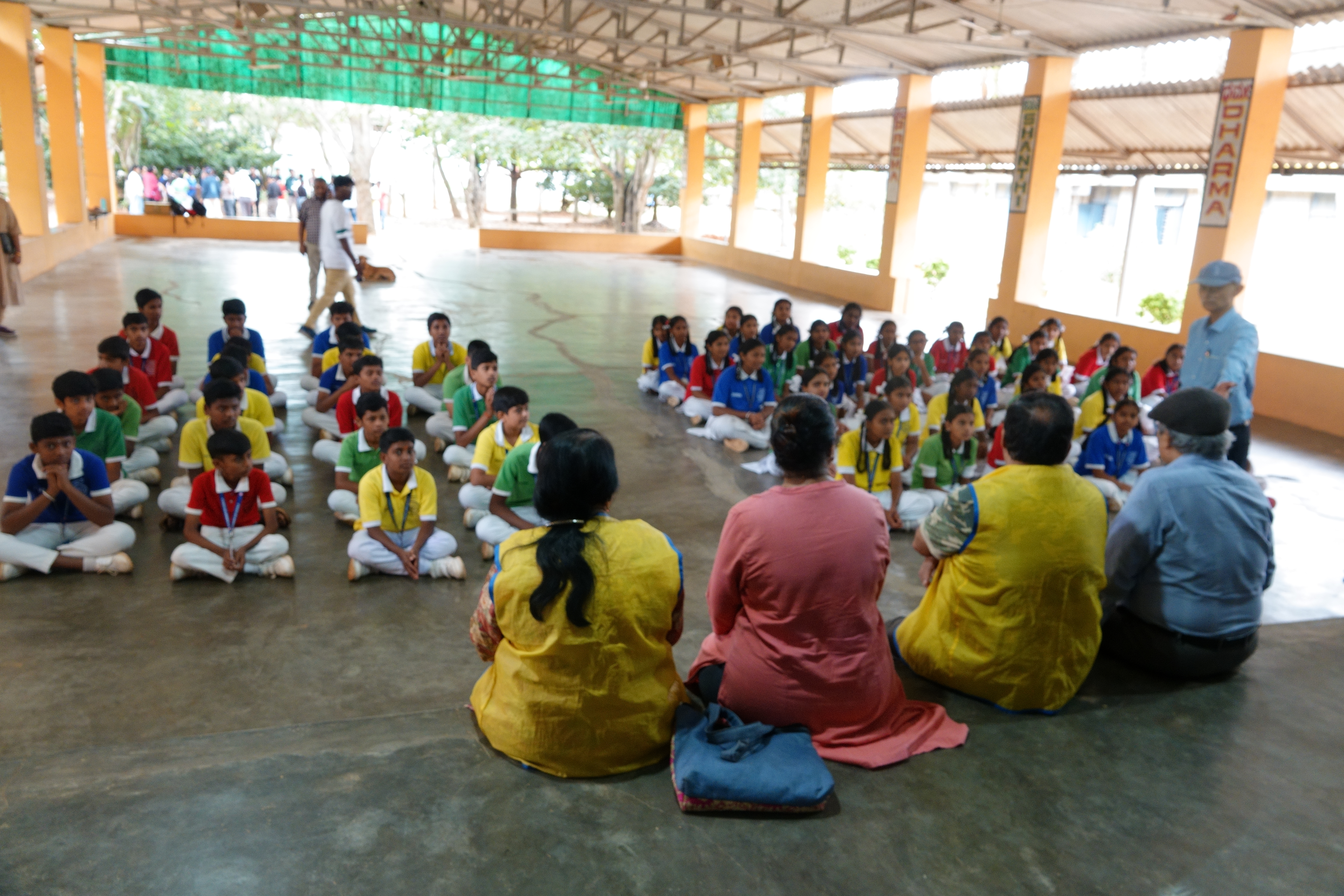
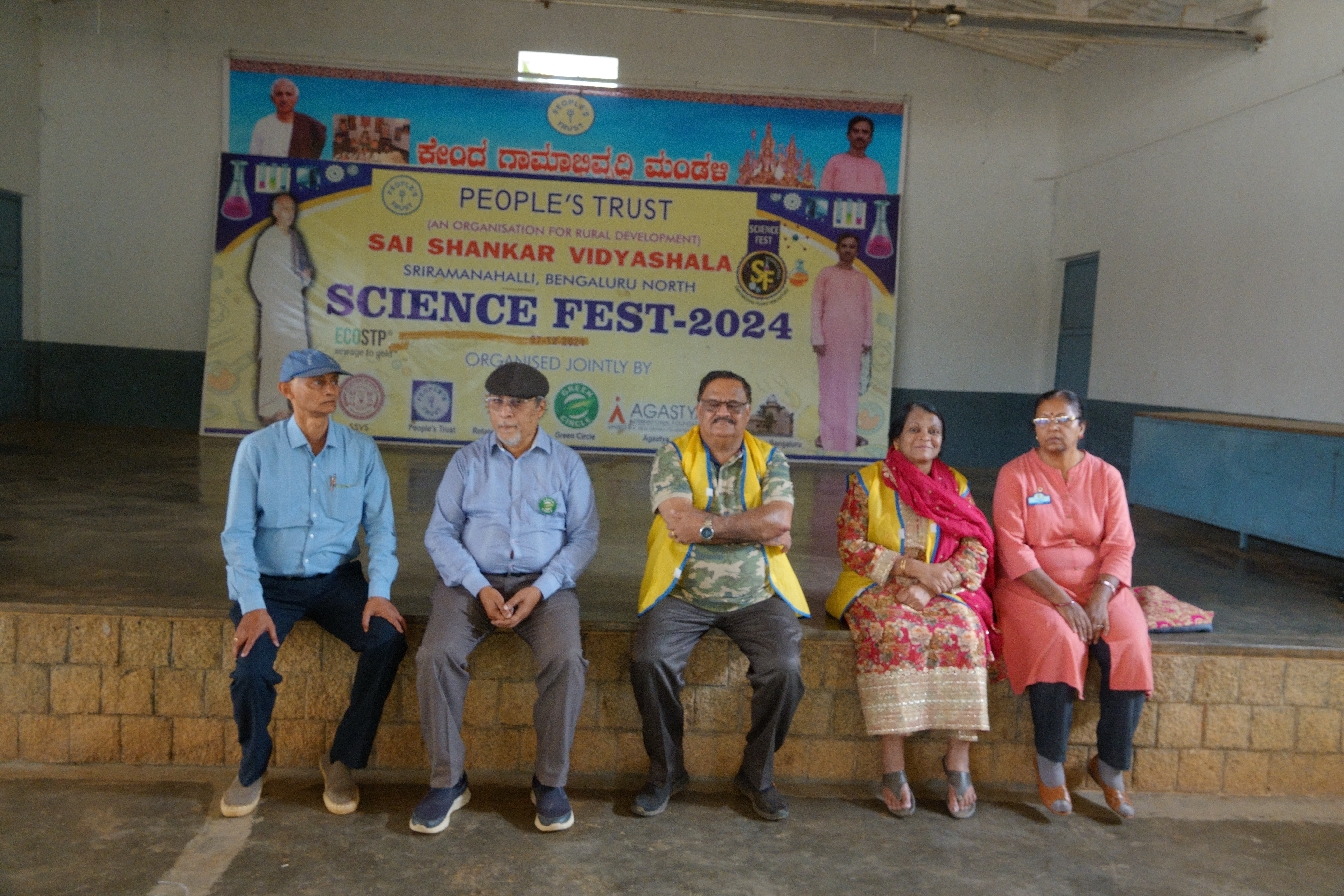
A Seedball making project by the Lion’s Club of Bengaluru Parisara-Green Circle and People’s Trust in which 60 children from Sai Shankar Vidya Shala and members of Leo Club of Mewa Vanguard Business School participated. Dr V Selvarajan, Chairman of Green Circle, conducted the training for seed ball making. Harish Uthaiah, Managing Trustee of People’s Trust welcomed the gathering. Manjunath, President of Lions Club, thanked the audience for the support.   2056 seedballs were made by 8 teams of students who learnt the art of seed ball making. From Green Circle, Kumar kalyandurg, Vasanth Kumar, Sandip Kumar and Biju participated in the program

E-Waste camp 2

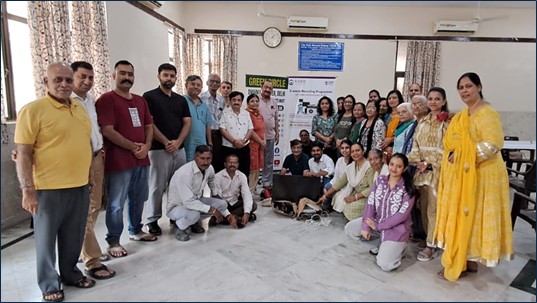
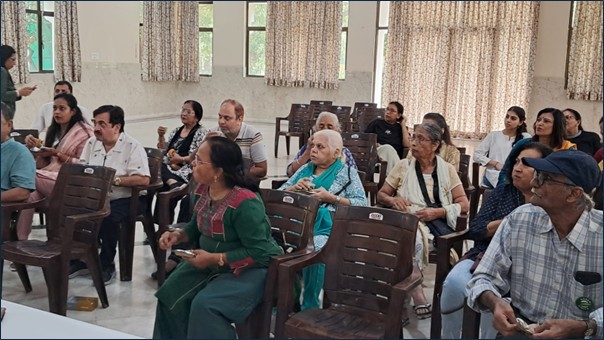
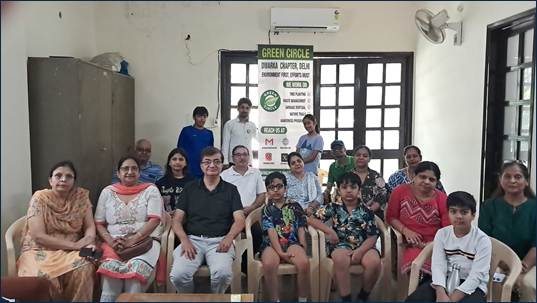
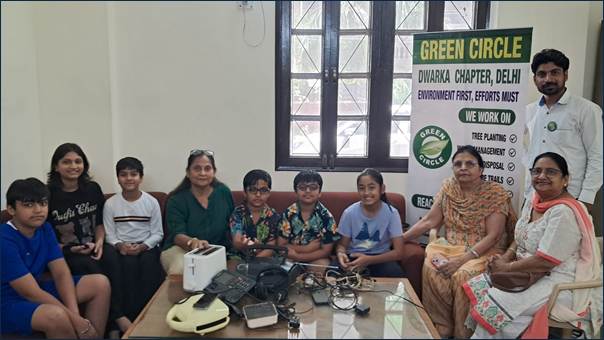
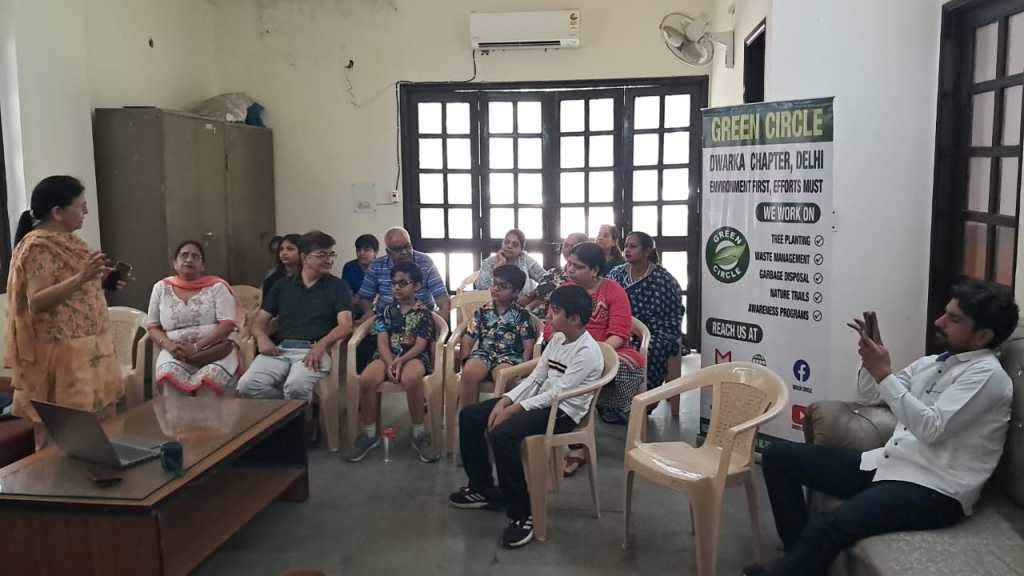
As part of our ongoing commitment to promote responsible e-waste management and environmental awareness, an awareness session was conducted at Happy Homes Society, organized by Ms. Romila Gandhi, the Delhi coordinator from Green Circle. The session saw active participation from around 40 residents, making it an engaging and community-centric event The session opened with a comprehensive overview of e-waste—its definition, environmental impact, and the crucial role each individual can play in managing it responsibly. The format encouraged active participation, allowing attendees to engage with the content and clarify doubts.

Participants gained insight into what constitutes e-waste, including everyday items like outdated phones, chargers, and electronic accessories, which require careful handling due to hazardous components. The hazards of informal e-waste collection, including health risks and environmental damage caused by unsafe handling and processing, were contrasted with the benefits of formal, regulated recycling processes that ensure safe disposal and resource recovery. The role of manufacturers and producers in managing e-waste through EPR frameworks was explained, highlighting accountability across the product lifecycle. The importance of segregation, regular collection, and active community participation in waste management practices was emphasized to promote a cleaner, healthier environment. The session witnessed vibrant interaction from residents, with thoughtful questions and shared experiences enriching the discussion. The immediate impact was evident as residents brought in e-waste items, contributing to a successful on-site collection. This hands-on involvement demonstrated the community’s commitment to adopting better waste management habits. Ms. Romila will coordinate with the society head to finalize the date for the collection. She will inform us once the schedule is confirmed, ensuring smooth and timely follow-up for further e-waste collection. The awareness session at Happy Homes Society was a significant step forward in fostering environmental consciousness and responsible e-waste disposal. The combination of detailed discussions, resident engagement, and the practical collection drive set a positive precedent for future initiatives. In the session, the upcoming Green Mela on 1.11.25 was also discussed, encouraging individuals to collaborate and contribute to this community event. Green Circle remains dedicated to supporting such community efforts, aiming to cultivate sustainable practices and collective environmental stewardship.

E-Waste Camp 1

17th May 2025 Venue: Nayantara Apartment, Sector 7, Dwarka, New Delhi 


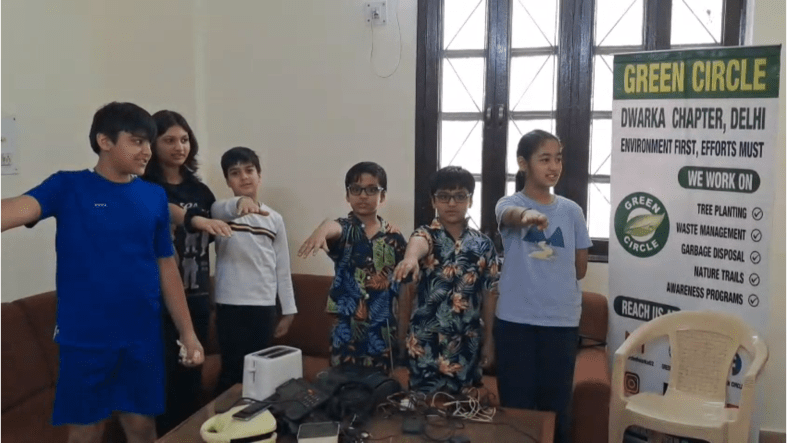
Introduction As part of our ongoing commitment to promote responsible e-waste management and environmental awareness, an awareness session was conducted at Nayantara Apartment, organized by Ms. Romila and Ms. Abha, the Delhi coordinators from Green Circle. This event aimed not only to educate residents about the importance of proper e-waste disposal but also to encourage sustainable practices in their daily lives. The session saw active participation from over 25 residents, including several children, making it an engaging and community-centric event.

Session Overview The session kicked off with an engaging introduction to the topic of e-waste—what it is, why it matters, and how individuals can make a difference. The interactive format helped capture the attention of both adults and children, leading to meaningful discussions and questions throughout the program. The key topics covered included. Understanding E-Waste: Participants learned that e-waste includes discarded electronic devices like old mobile phones, laptops, chargers, and more. These items often contain hazardous materials that can pollute the environment if not properly managed. Informal vs. Formal Recycling: Hazards and Benefits: Informal recycling practices, such as unsafe dismantling and burning of e-waste, pose significant risks to human health and ecosystems due to the release of toxic substances. In contrast, formal recycling methods ensure the safe recovery of valuable materials, reducing the need for new raw materials.

This not only supports resource conservation but also lowers the overall environmental impact. Carbon Footprint Reduction: Formal recycling also plays a key role in reducing greenhouse gas emissions by limiting the need for energy-intensive extraction and production processes. Role of Communities in Waste Management: Residents were encouraged to adopt environmentally-friendly waste disposal habits across all categories—electronic, plastic, organic, and paper waste. The importance of segregation at source and regular collection drives was discussed. Initiatives to Reduce Plastic Waste: We also discussed the plastic-management initiatives by various stakeholders and we also discussed regarding proper-recycling of plastics as well. Community Engagement and Interaction The session stood out for its high level of participation and enthusiasm, especially from children, who showed keen interest and asked several thoughtful questions about recycling and sustainability. A short group discussion added a fun and interactive element to the event. Notably, residents brought e-waste from their homes, resulting in the collection of approximately 4–5 kilograms of e-waste during the event itself—demonstrating immediate action following the awareness session. In addition to e-waste, the conversation also extended to broader environmental concerns, such as plastic pollution, water conservation, and the importance of green spaces in urban areas.

E-Bin Initiative Following the session, the residents’ welfare committee placed a carton box within the apartment premises to collect e-waste. The initiative was well received, and residents have already started dropping off their e-waste, marking a positive step toward responsible disposal. Conclusion The e-waste awareness session at Nayantara Apartment was a resounding success. With strong resident engagement, active participation from children, and immediate e-waste collection, the event achieved its goal of initiating positive change. This session not only increased awareness but also fostered a sense of collective responsibility toward environmental sustainability. The Green Circle team is hoped to continue organizing such impactful events in the future, helping to sustain momentum and inspire ongoing commitment to responsible waste management and environmental stewardship.