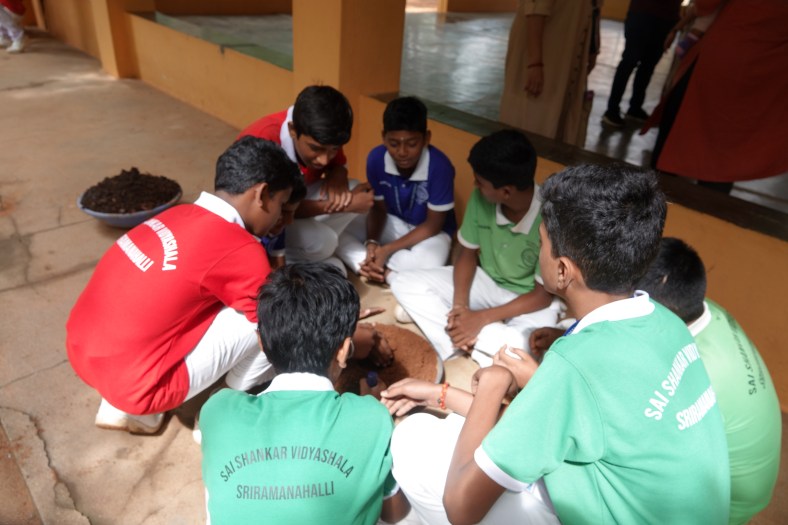
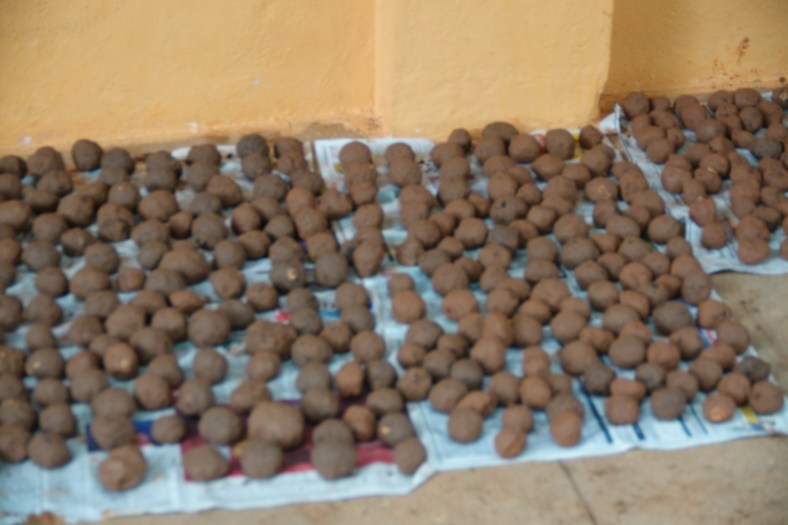
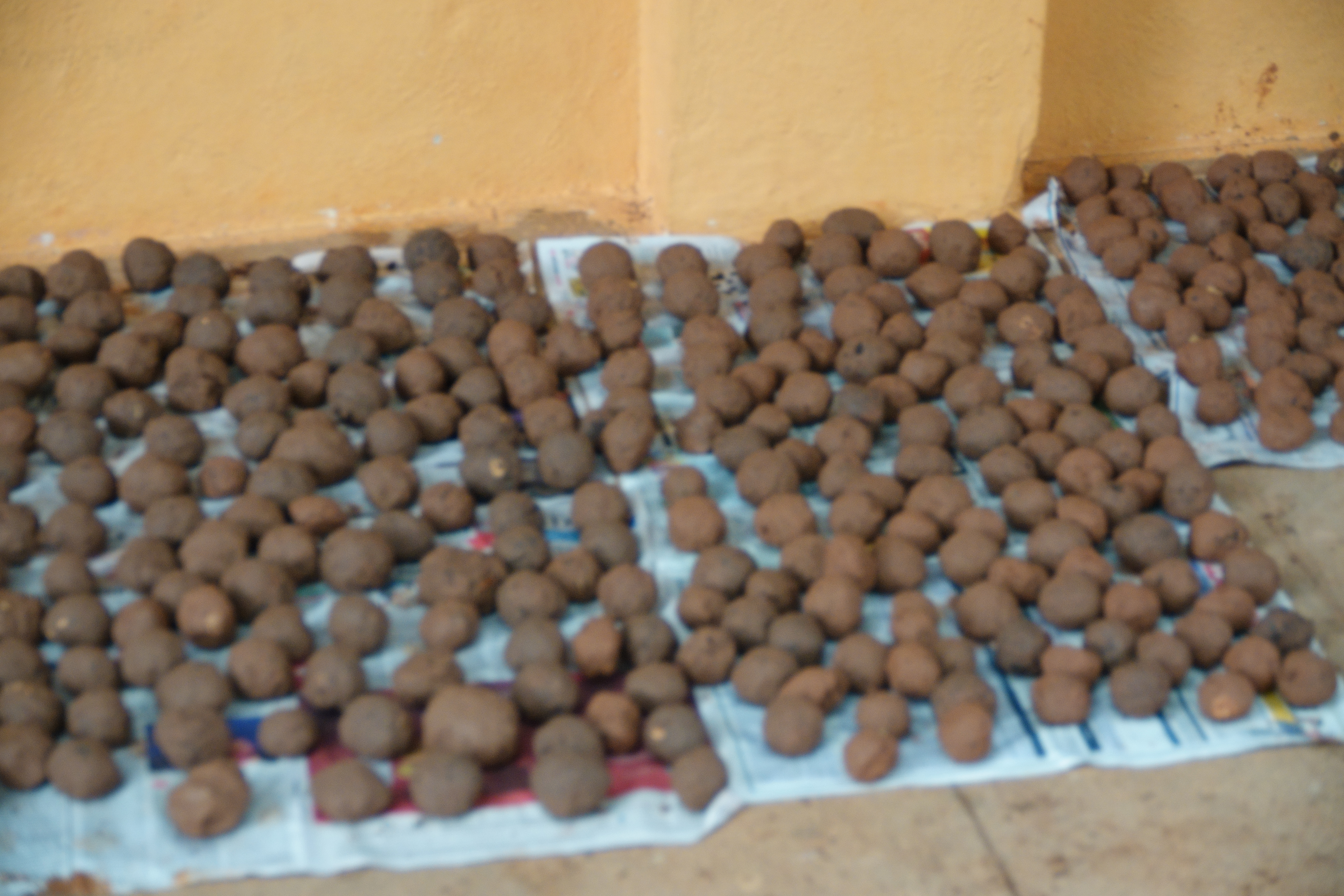
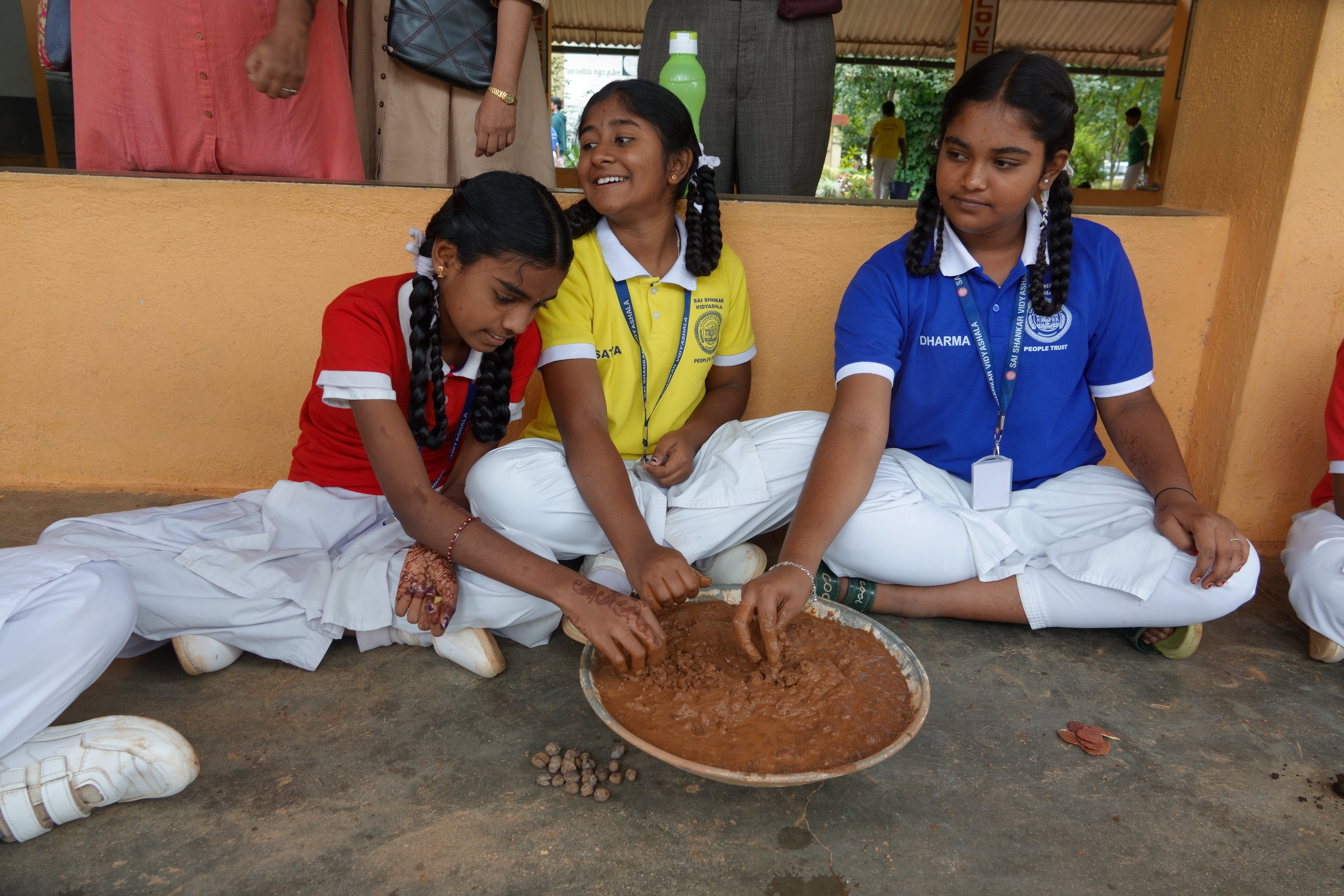
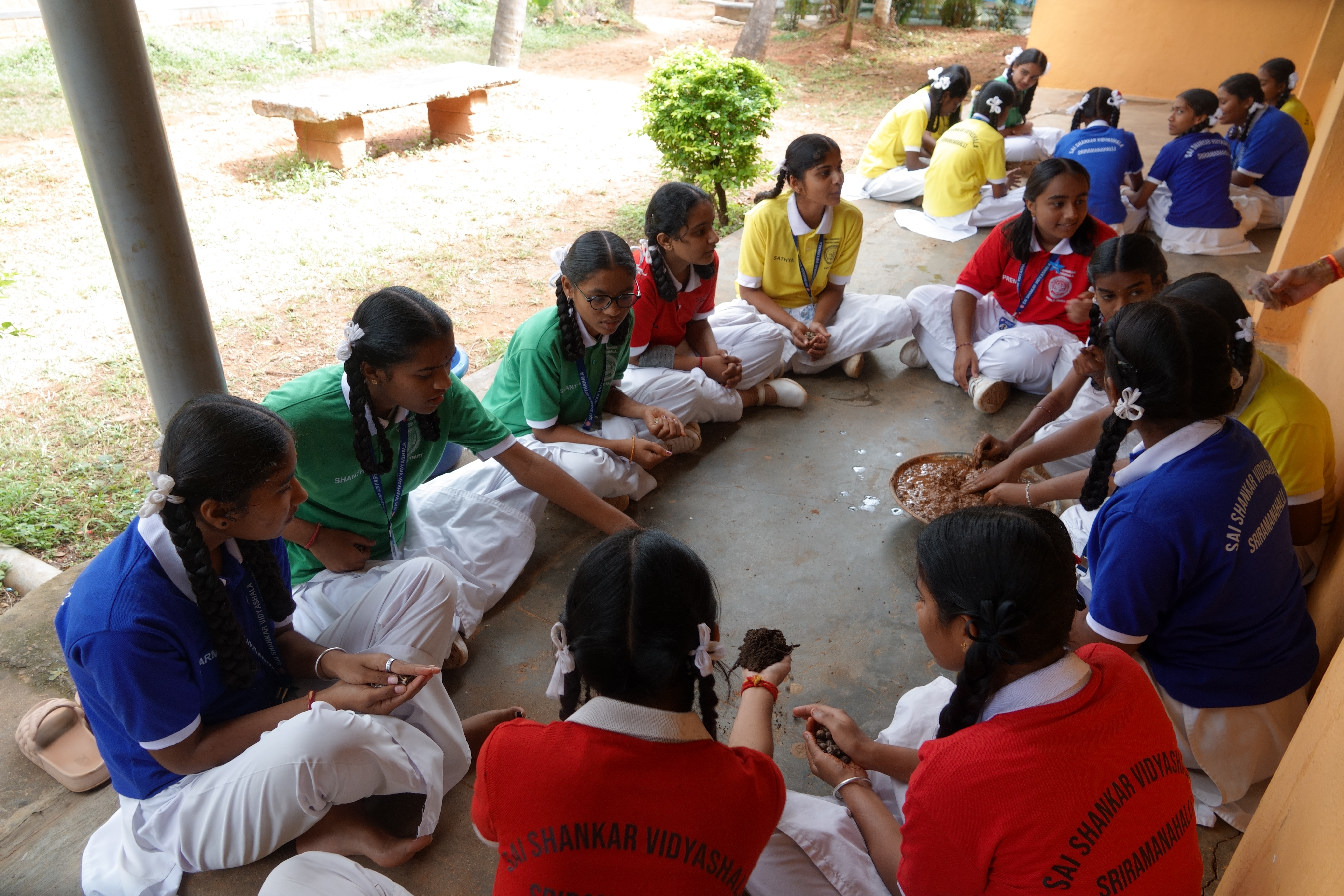
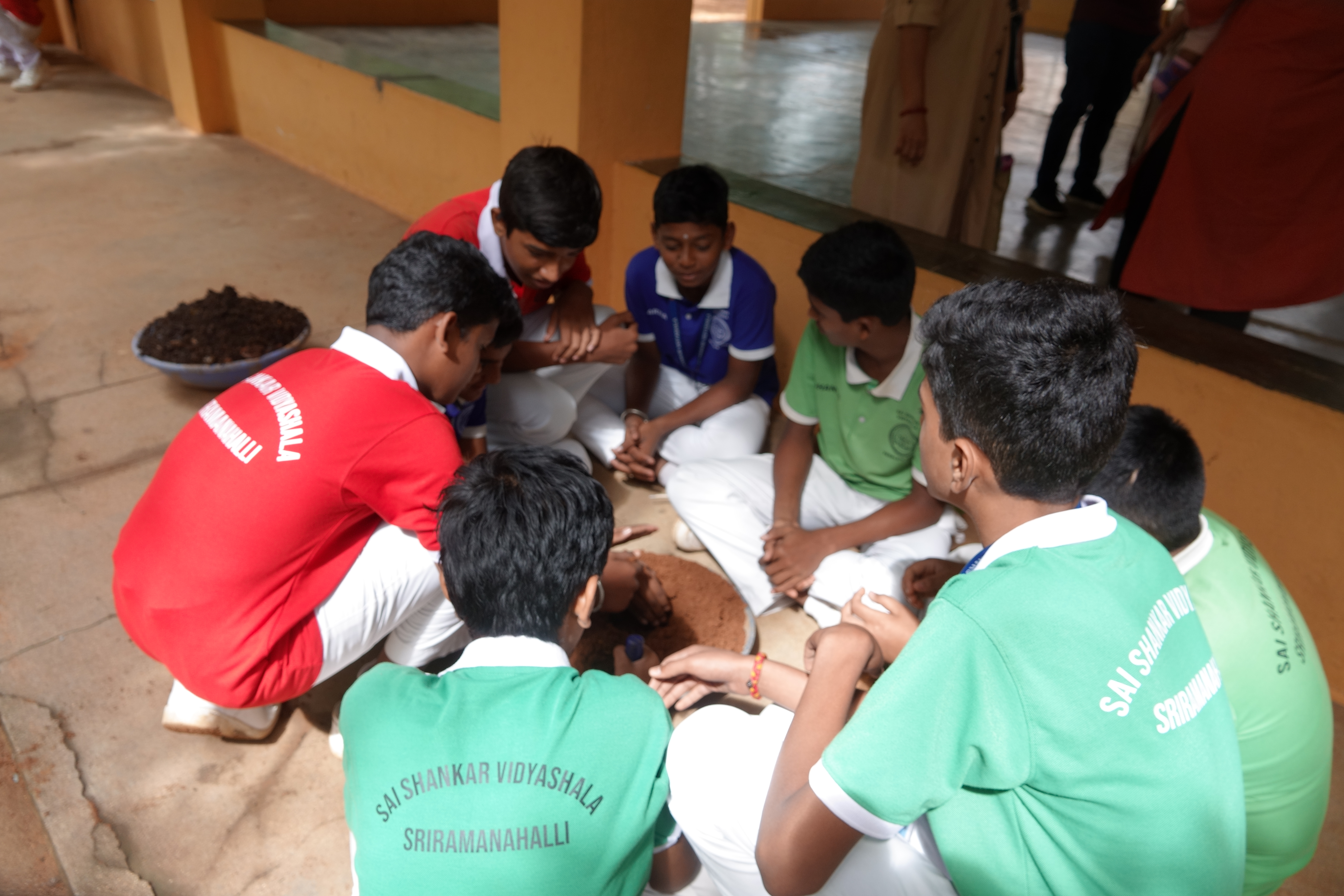
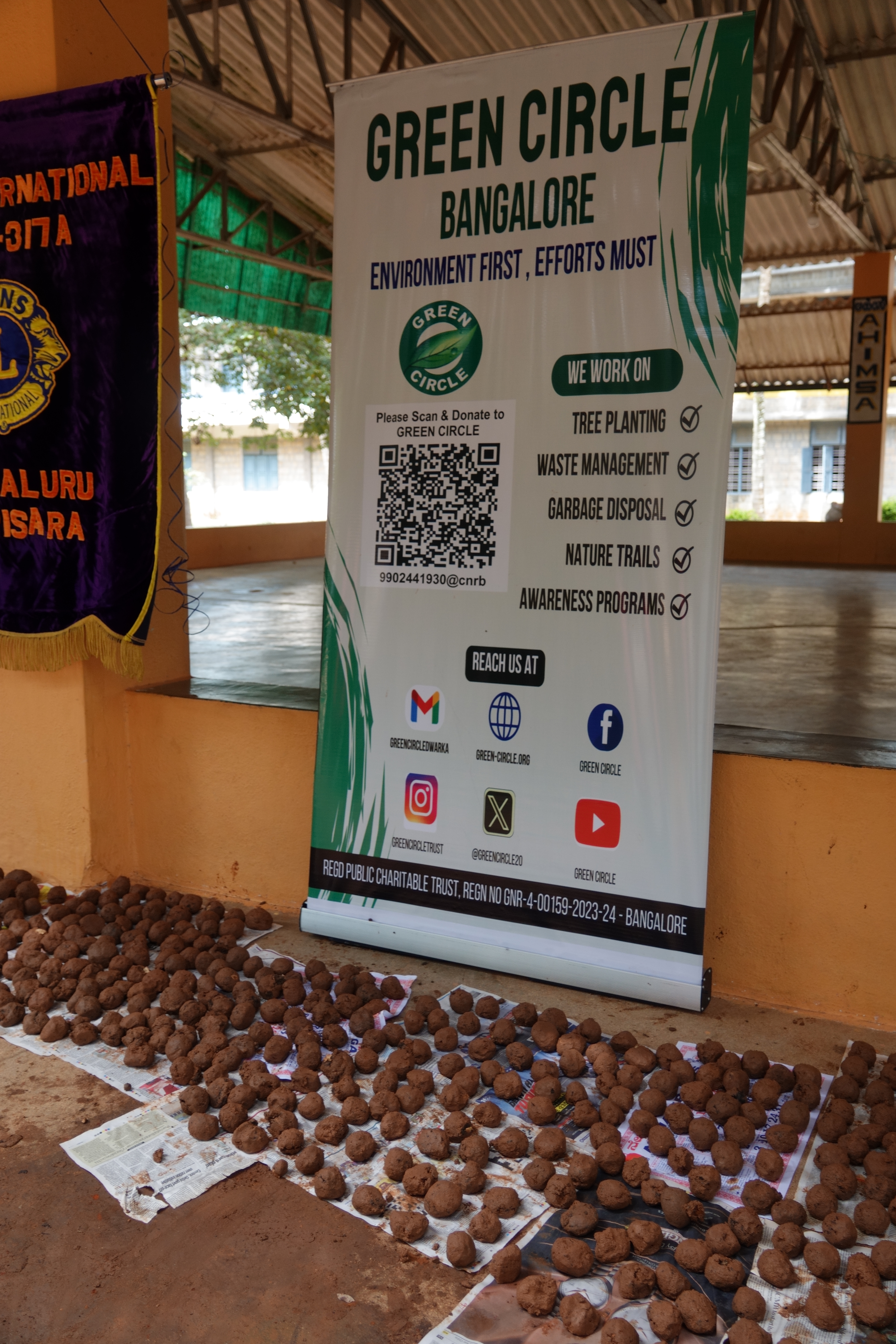
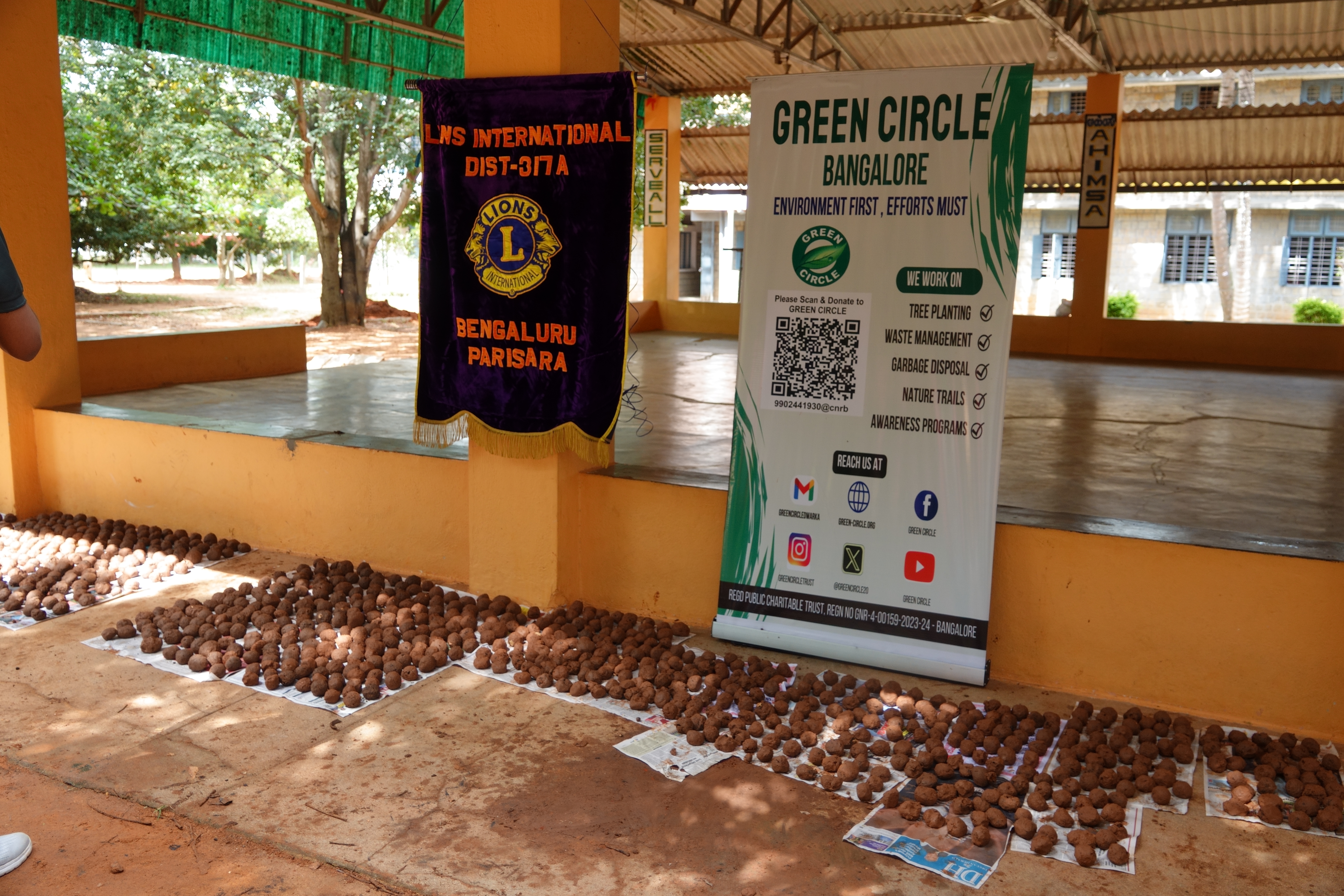
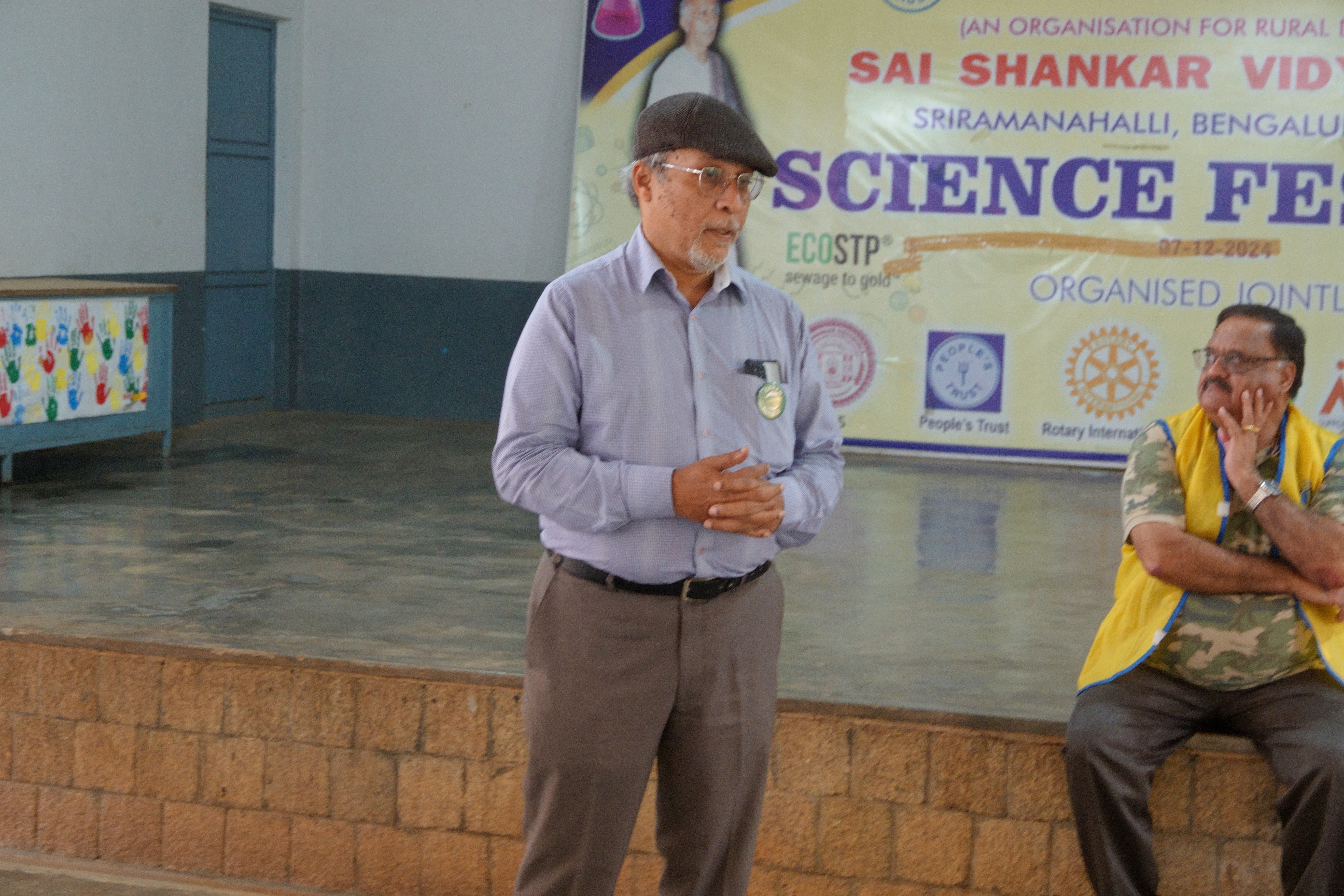
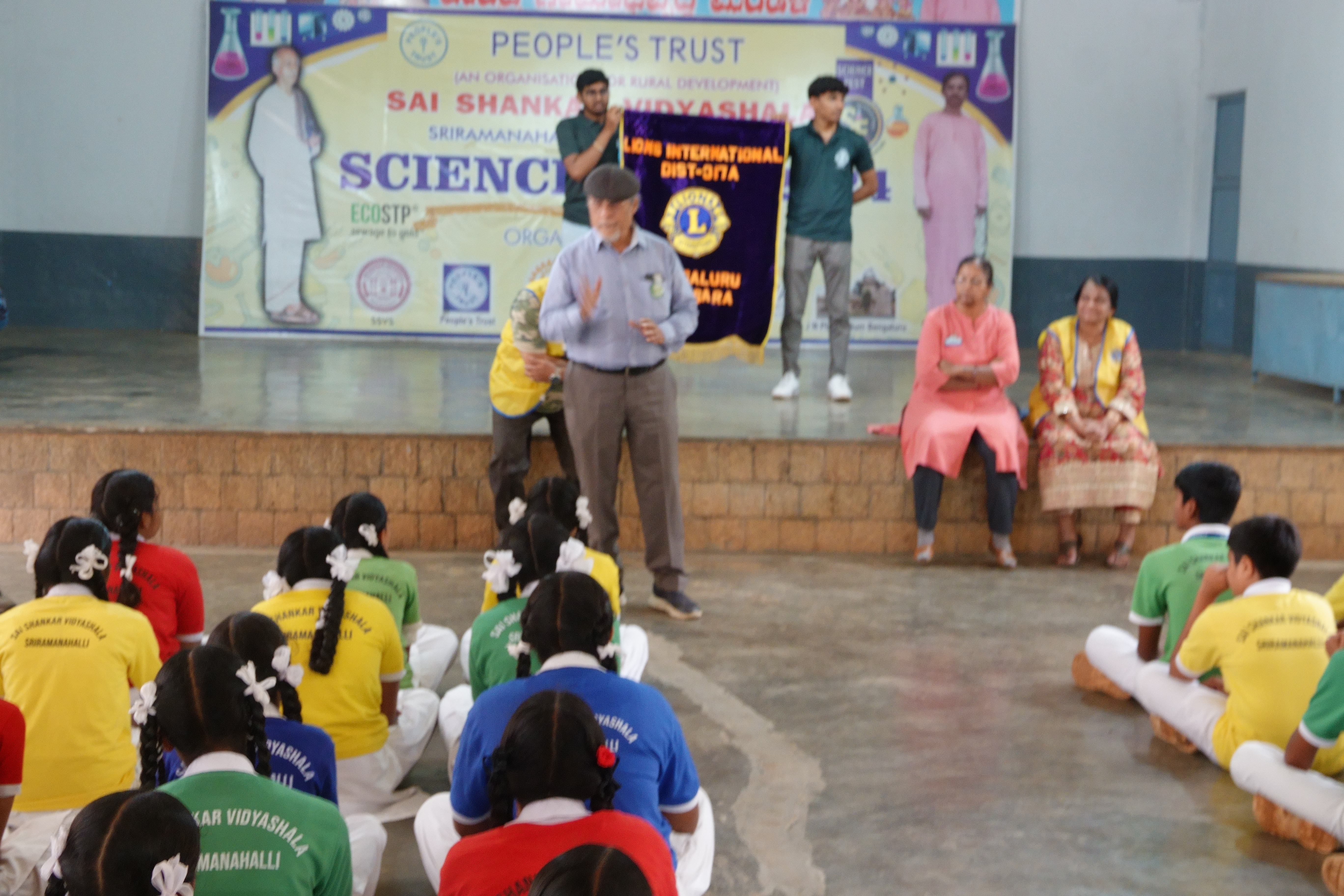
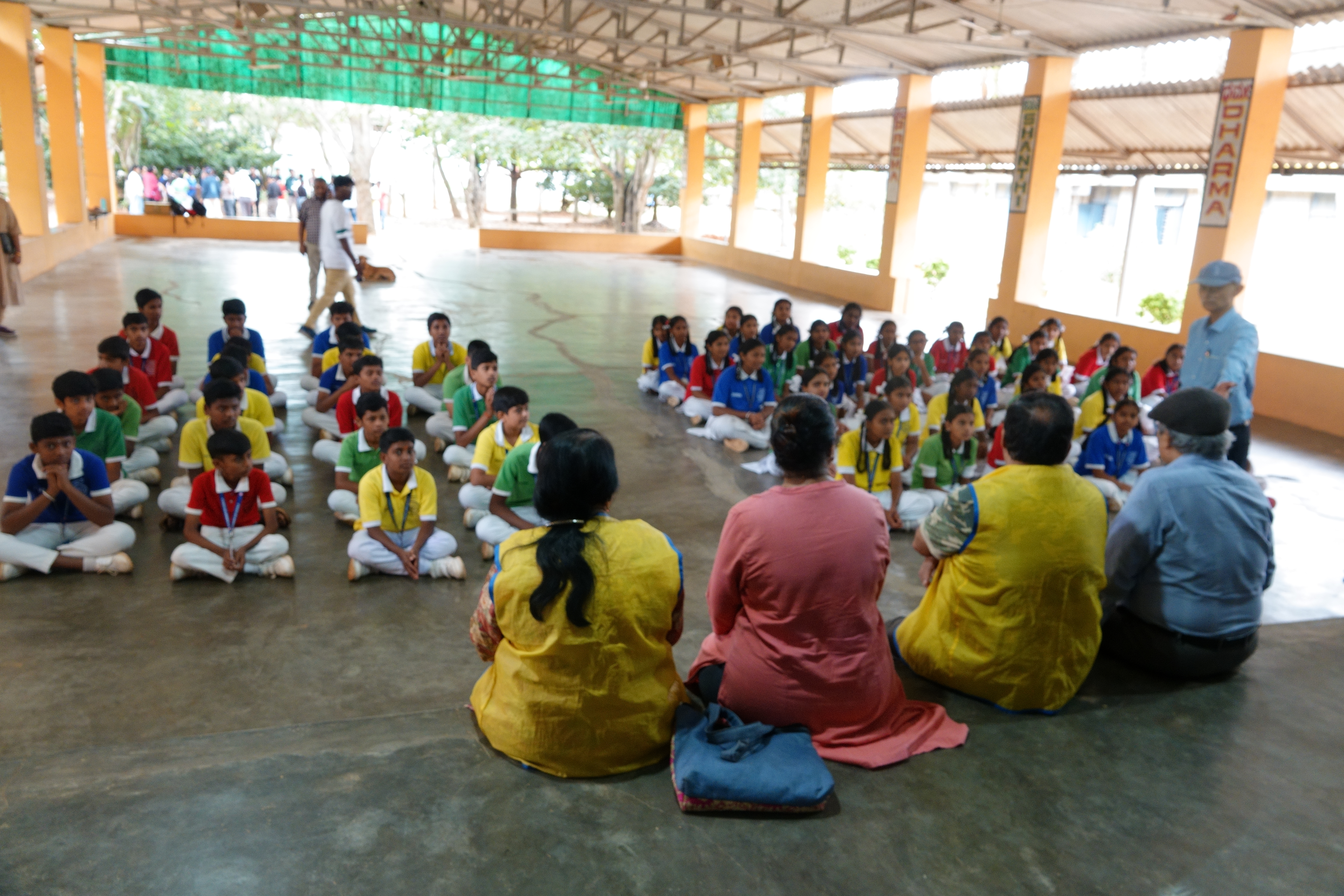
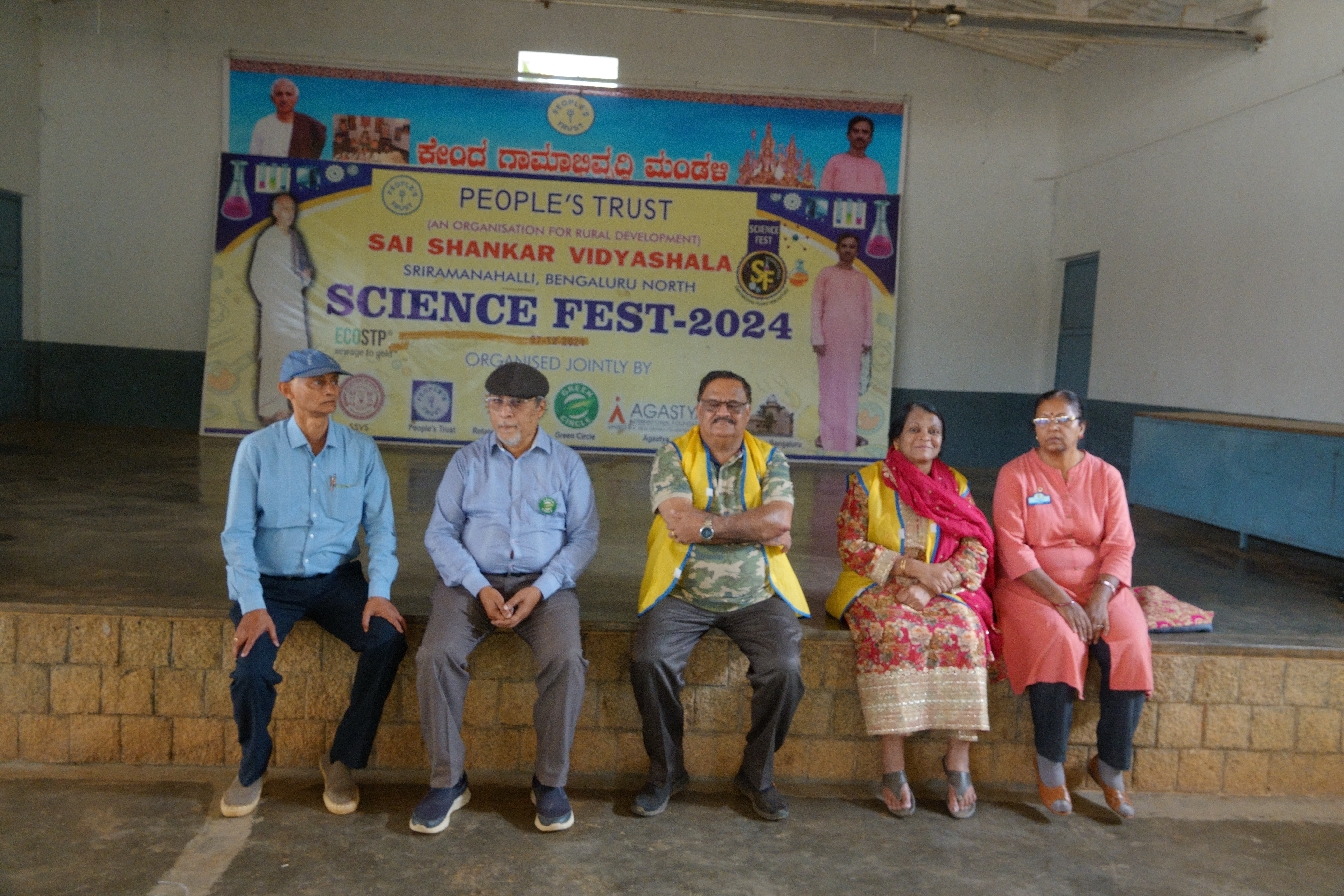
A Seedball making project by the Lion’s Club of Bengaluru Parisara-Green Circle and People’s Trust in which 60 children from Sai Shankar Vidya Shala and members of Leo Club of Mewa Vanguard Business School participated. Dr V Selvarajan, Chairman of Green Circle, conducted the training for seed ball making. Harish Uthaiah, Managing Trustee of People’s Trust welcomed the gathering. Manjunath, President of Lions Club, thanked the audience for the support. 2056 seedballs were made by 8 teams of students who learnt the art of seed ball making. From Green Circle, Kumar kalyandurg, Vasanth Kumar, Sandip Kumar and Biju participated in the program
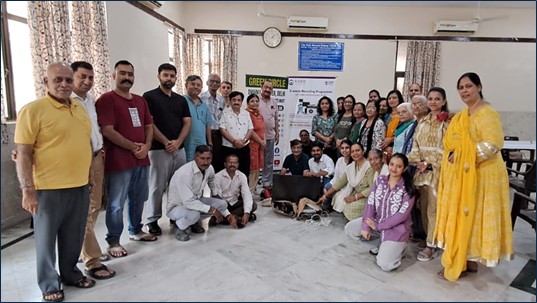
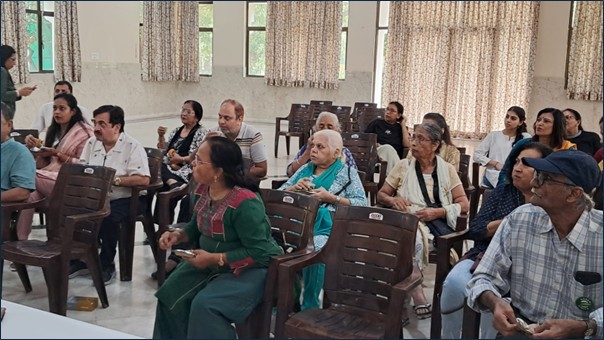
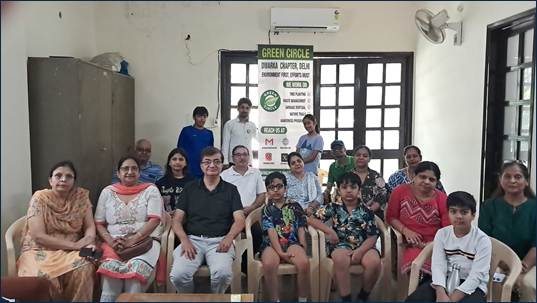
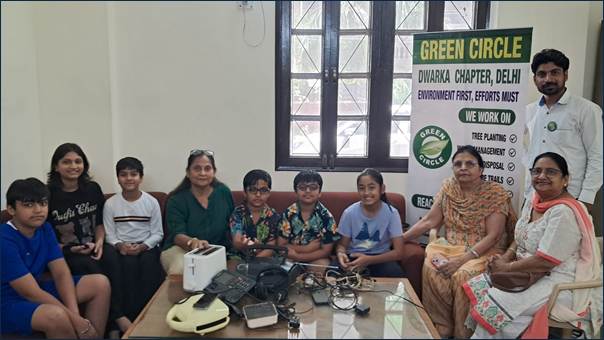
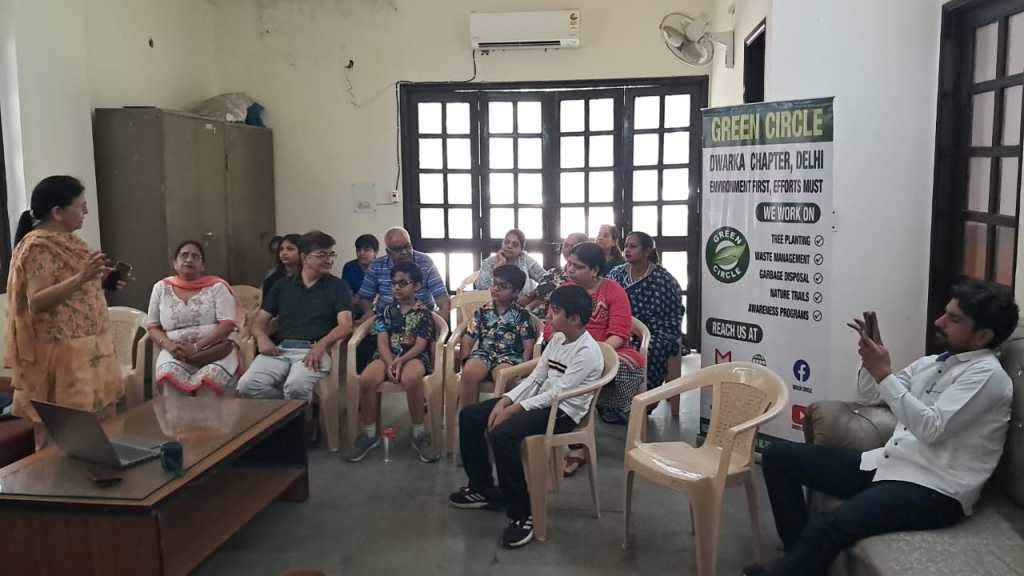
As part of our ongoing commitment to promote responsible e-waste management and environmental awareness, an awareness session was conducted at Happy Homes Society, organized by Ms. Romila Gandhi, the Delhi coordinator from Green Circle. The session saw active participation from around 40 residents, making it an engaging and community-centric event The session opened with a comprehensive overview of e-waste—its definition, environmental impact, and the crucial role each individual can play in managing it responsibly. The format encouraged active participation, allowing attendees to engage with the content and clarify doubts.
Participants gained insight into what constitutes e-waste, including everyday items like outdated phones, chargers, and electronic accessories, which require careful handling due to hazardous components. The hazards of informal e-waste collection, including health risks and environmental damage caused by unsafe handling and processing, were contrasted with the benefits of formal, regulated recycling processes that ensure safe disposal and resource recovery. The role of manufacturers and producers in managing e-waste through EPR frameworks was explained, highlighting accountability across the product lifecycle. The importance of segregation, regular collection, and active community participation in waste management practices was emphasized to promote a cleaner, healthier environment. The session witnessed vibrant interaction from residents, with thoughtful questions and shared experiences enriching the discussion. The immediate impact was evident as residents brought in e-waste items, contributing to a successful on-site collection. This hands-on involvement demonstrated the community’s commitment to adopting better waste management habits. Ms. Romila will coordinate with the society head to finalize the date for the collection. She will inform us once the schedule is confirmed, ensuring smooth and timely follow-up for further e-waste collection. The awareness session at Happy Homes Society was a significant step forward in fostering environmental consciousness and responsible e-waste disposal. The combination of detailed discussions, resident engagement, and the practical collection drive set a positive precedent for future initiatives. In the session, the upcoming Green Mela on 1.11.25 was also discussed, encouraging individuals to collaborate and contribute to this community event. Green Circle remains dedicated to supporting such community efforts, aiming to cultivate sustainable practices and collective environmental stewardship.
17th May 2025Venue: Nayantara Apartment, Sector 7, Dwarka, New Delhi
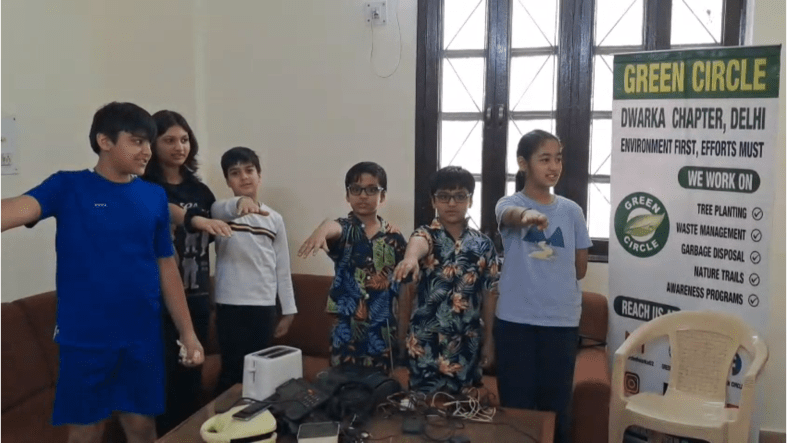
Introduction As part of our ongoing commitment to promote responsible e-waste management and environmental awareness, an awareness session was conducted at Nayantara Apartment, organized by Ms. Romila and Ms. Abha, the Delhi coordinators from Green Circle. This event aimed not only to educate residents about the importance of proper e-waste disposal but also to encourage sustainable practices in their daily lives. The session saw active participation from over 25 residents, including several children, making it an engaging and community-centric event.
Session Overview The session kicked off with an engaging introduction to the topic of e-waste—what it is, why it matters, and how individuals can make a difference. The interactive format helped capture the attention of both adults and children, leading to meaningful discussions and questions throughout the program. The key topics covered included. Understanding E-Waste: Participants learned that e-waste includes discarded electronic devices like old mobile phones, laptops, chargers, and more. These items often contain hazardous materials that can pollute the environment if not properly managed. Informal vs. Formal Recycling: Hazards and Benefits: Informal recycling practices, such as unsafe dismantling and burning of e-waste, pose significant risks to human health and ecosystems due to the release of toxic substances. In contrast, formal recycling methods ensure the safe recovery of valuable materials, reducing the need for new raw materials.
This not only supports resource conservation but also lowers the overall environmental impact. Carbon Footprint Reduction: Formal recycling also plays a key role in reducing greenhouse gas emissions by limiting the need for energy-intensive extraction and production processes. Role of Communities in Waste Management: Residents were encouraged to adopt environmentally-friendly waste disposal habits across all categories—electronic, plastic, organic, and paper waste. The importance of segregation at source and regular collection drives was discussed. Initiatives to Reduce Plastic Waste: We also discussed the plastic-management initiatives by various stakeholders and we also discussed regarding proper-recycling of plastics as well. Community Engagement and Interaction The session stood out for its high level of participation and enthusiasm, especially from children, who showed keen interest and asked several thoughtful questions about recycling and sustainability. A short group discussion added a fun and interactive element to the event. Notably, residents brought e-waste from their homes, resulting in the collection of approximately 4–5 kilograms of e-waste during the event itself—demonstrating immediate action following the awareness session. In addition to e-waste, the conversation also extended to broader environmental concerns, such as plastic pollution, water conservation, and the importance of green spaces in urban areas.
E-Bin Initiative Following the session, the residents’ welfare committee placed a carton box within the apartment premises to collect e-waste. The initiative was well received, and residents have already started dropping off their e-waste, marking a positive step toward responsible disposal. Conclusion The e-waste awareness session at Nayantara Apartment was a resounding success. With strong resident engagement, active participation from children, and immediate e-waste collection, the event achieved its goal of initiating positive change. This session not only increased awareness but also fostered a sense of collective responsibility toward environmental sustainability. The Green Circle team is hoped to continue organizing such impactful events in the future, helping to sustain momentum and inspire ongoing commitment to responsible waste management and environmental stewardship.
 GREEN CIRCLE