Harohalli Lake in trouble? The lake officials don’t care to know the cause!
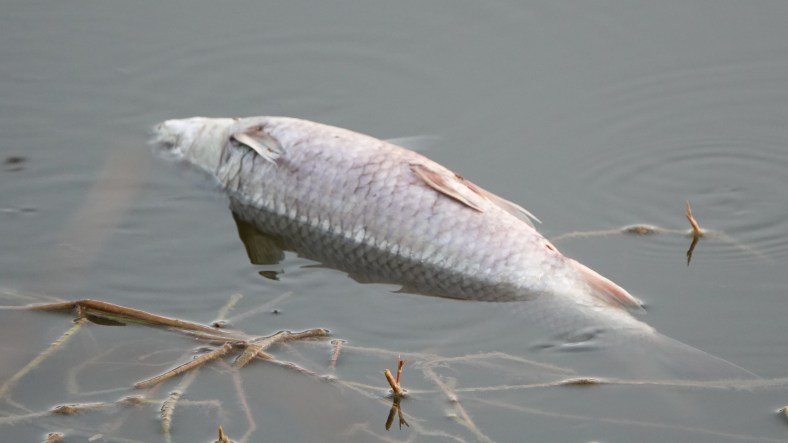
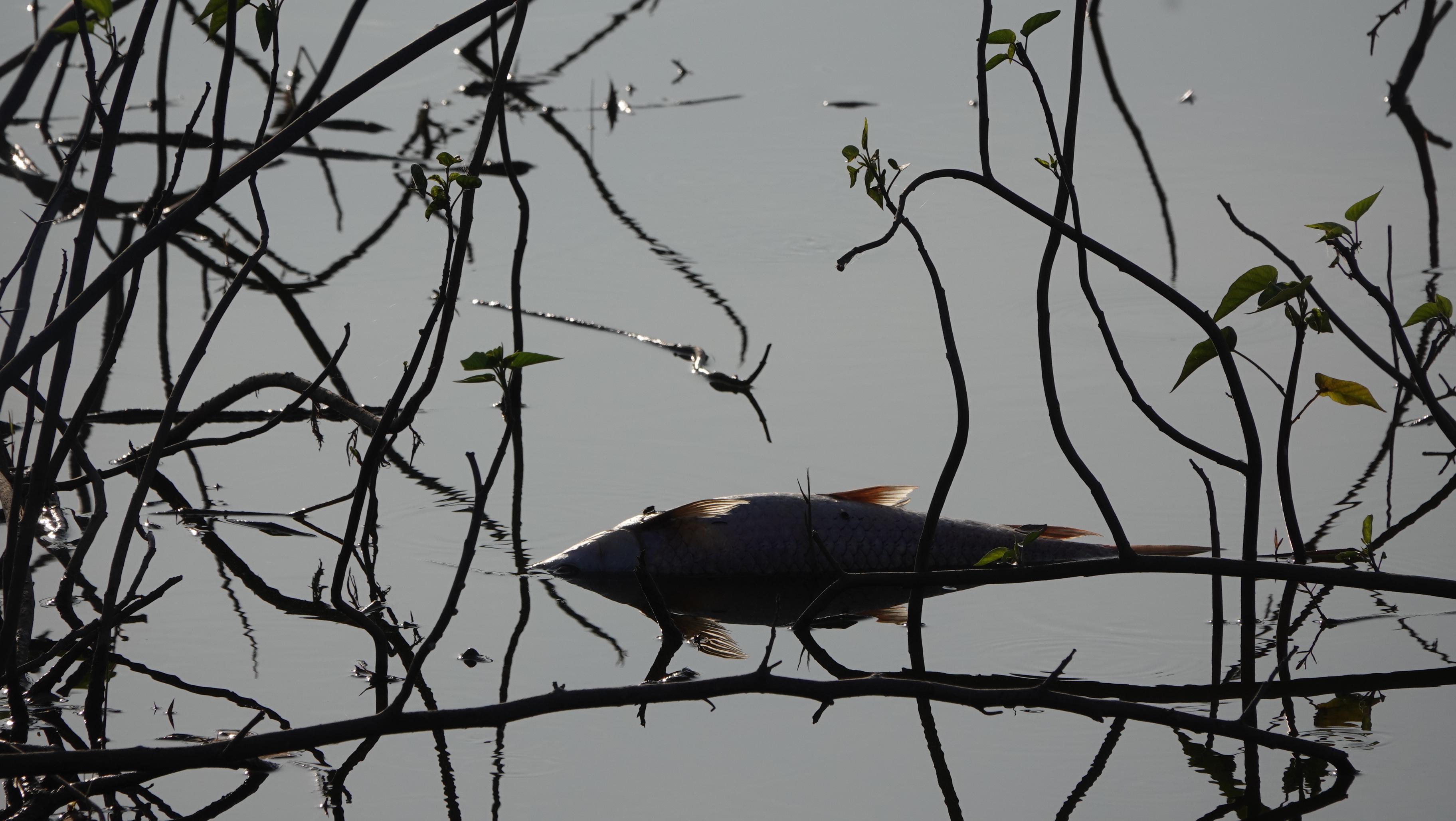
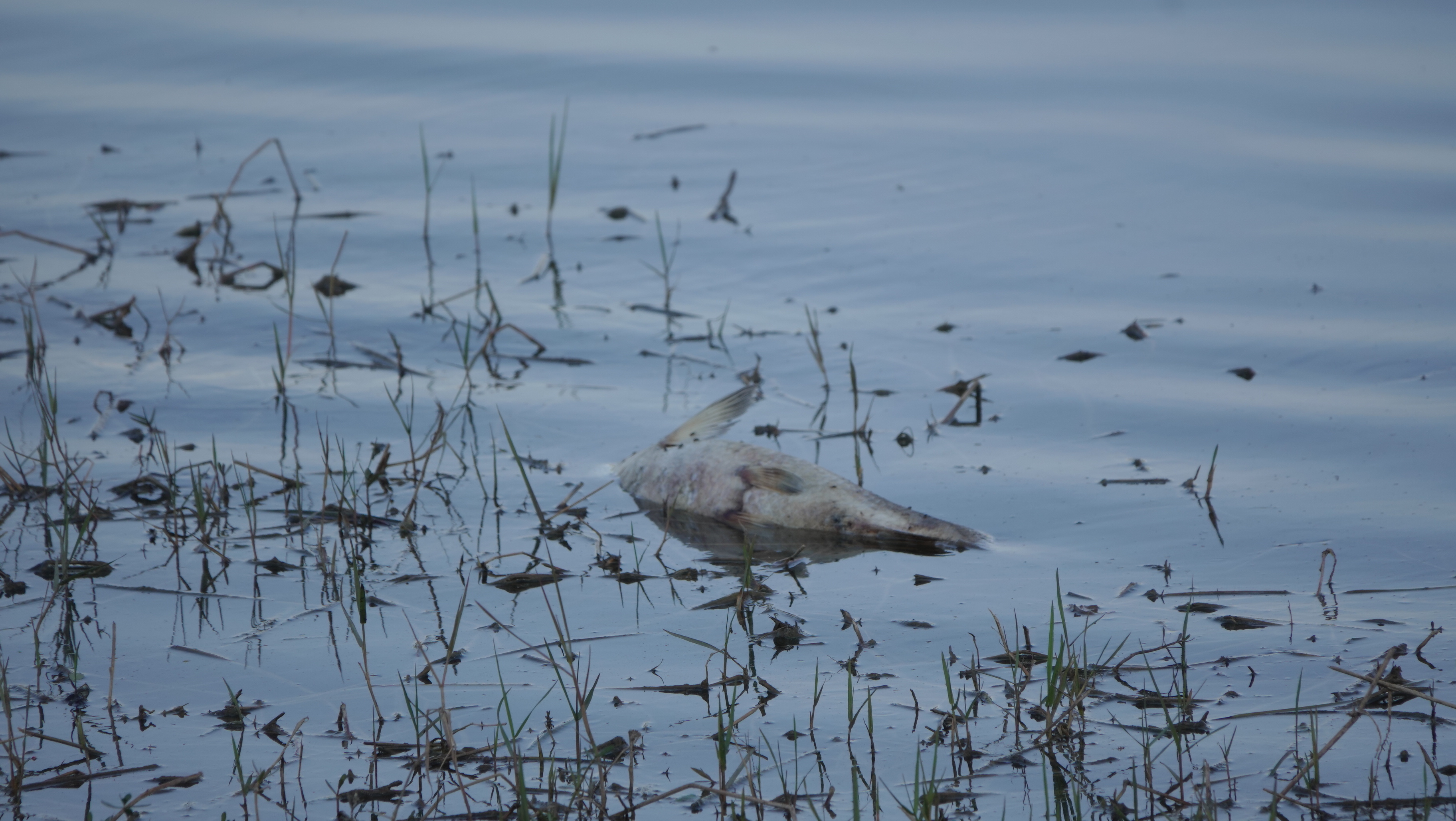
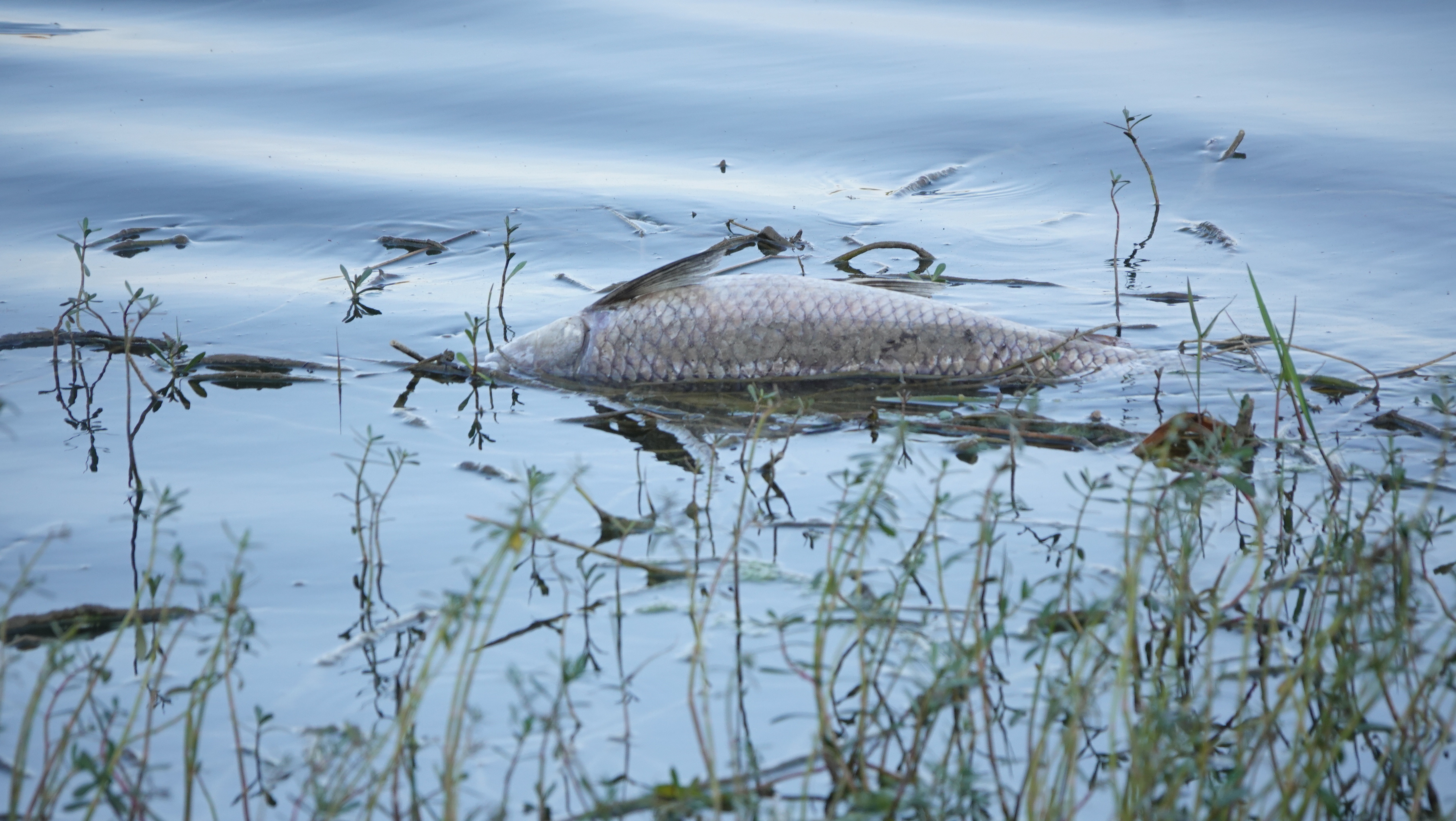
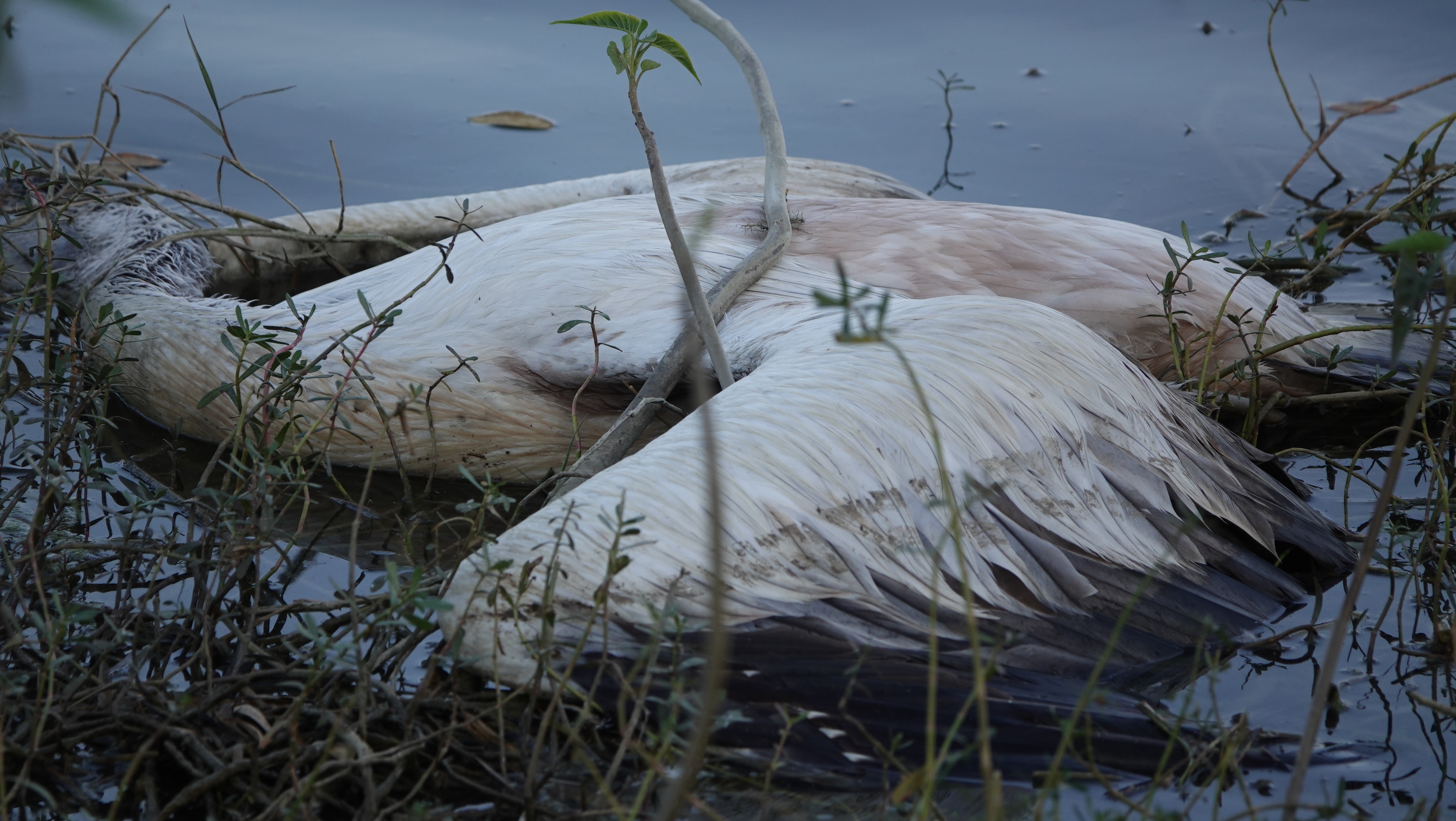
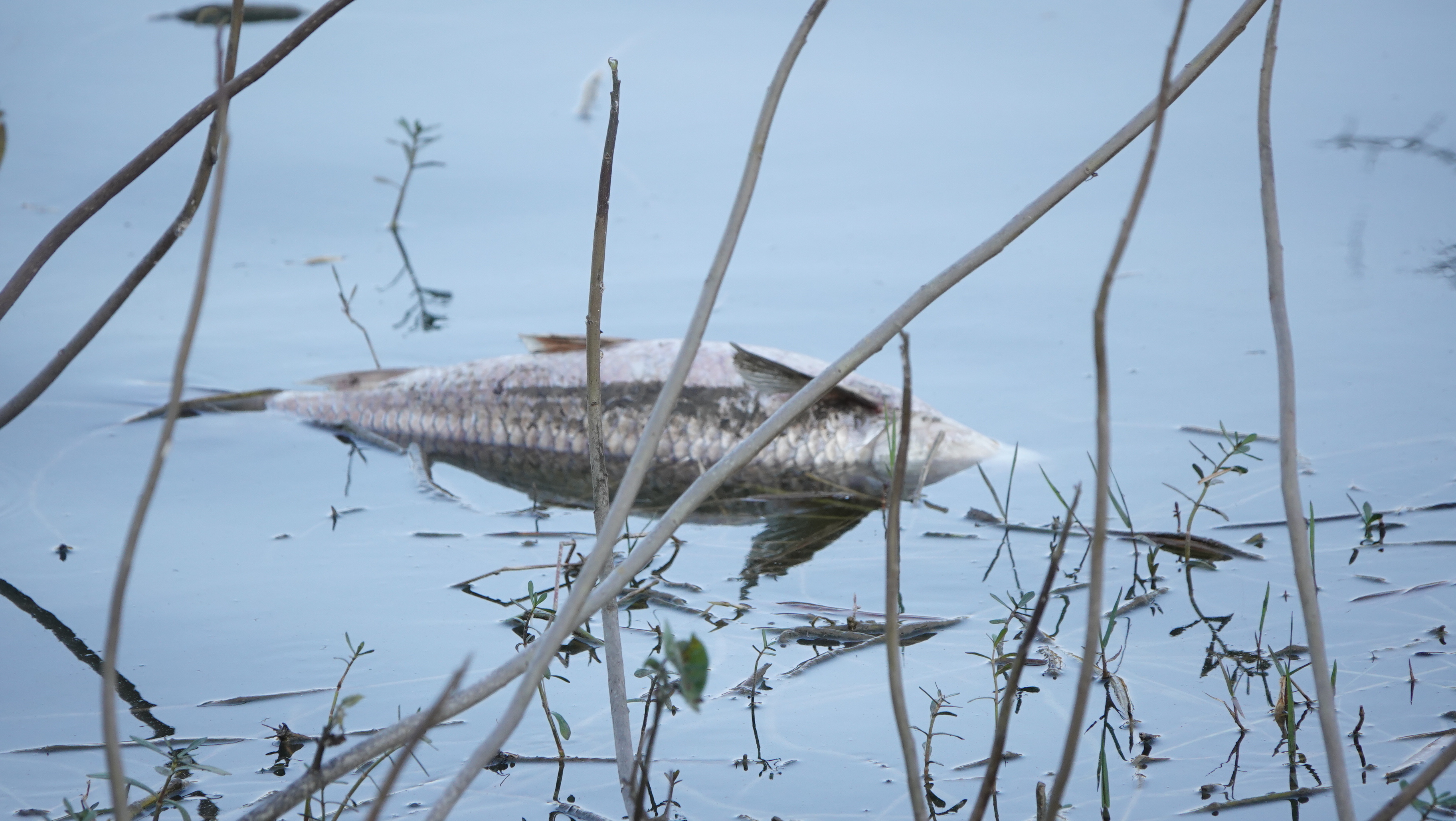
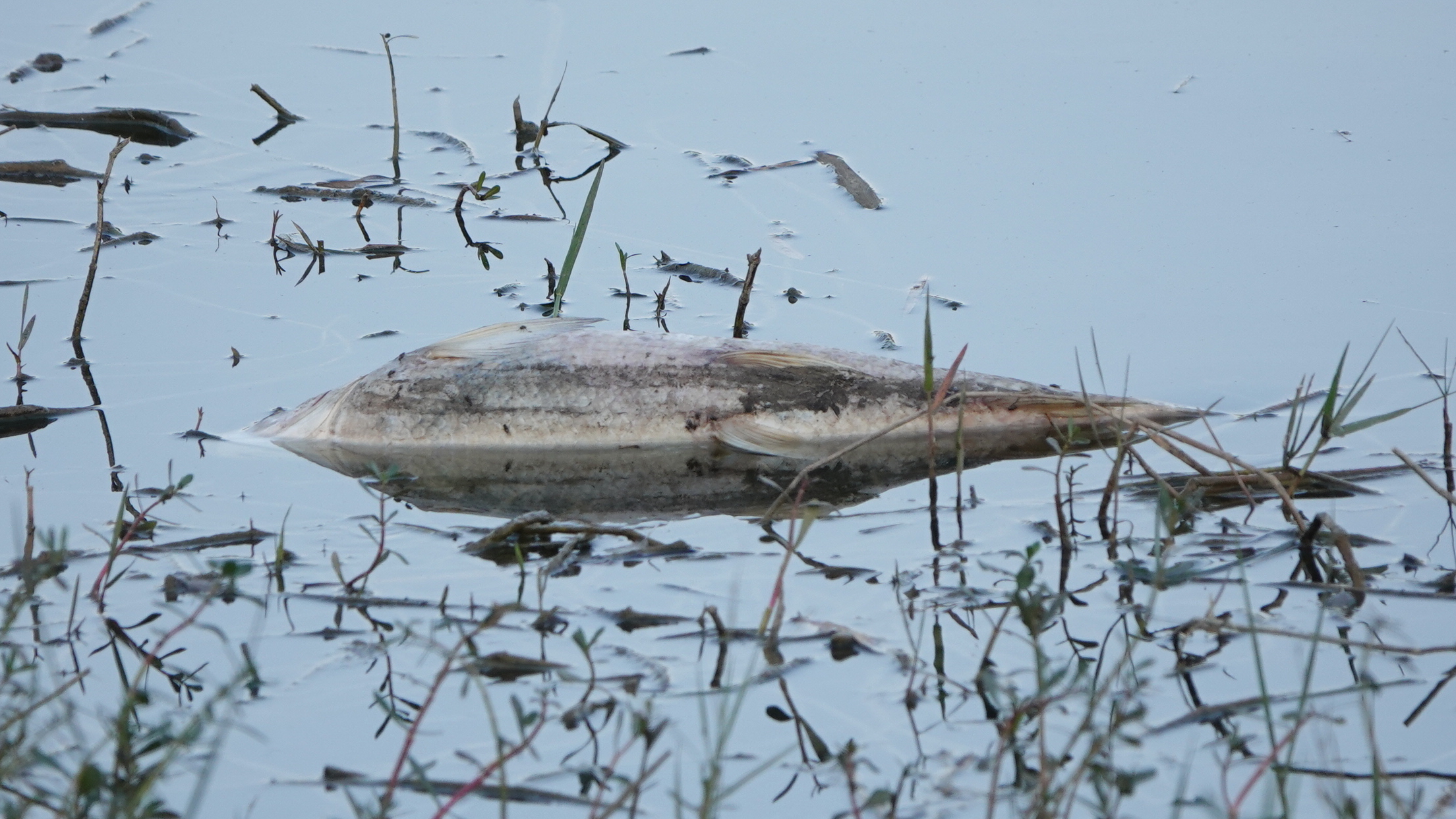
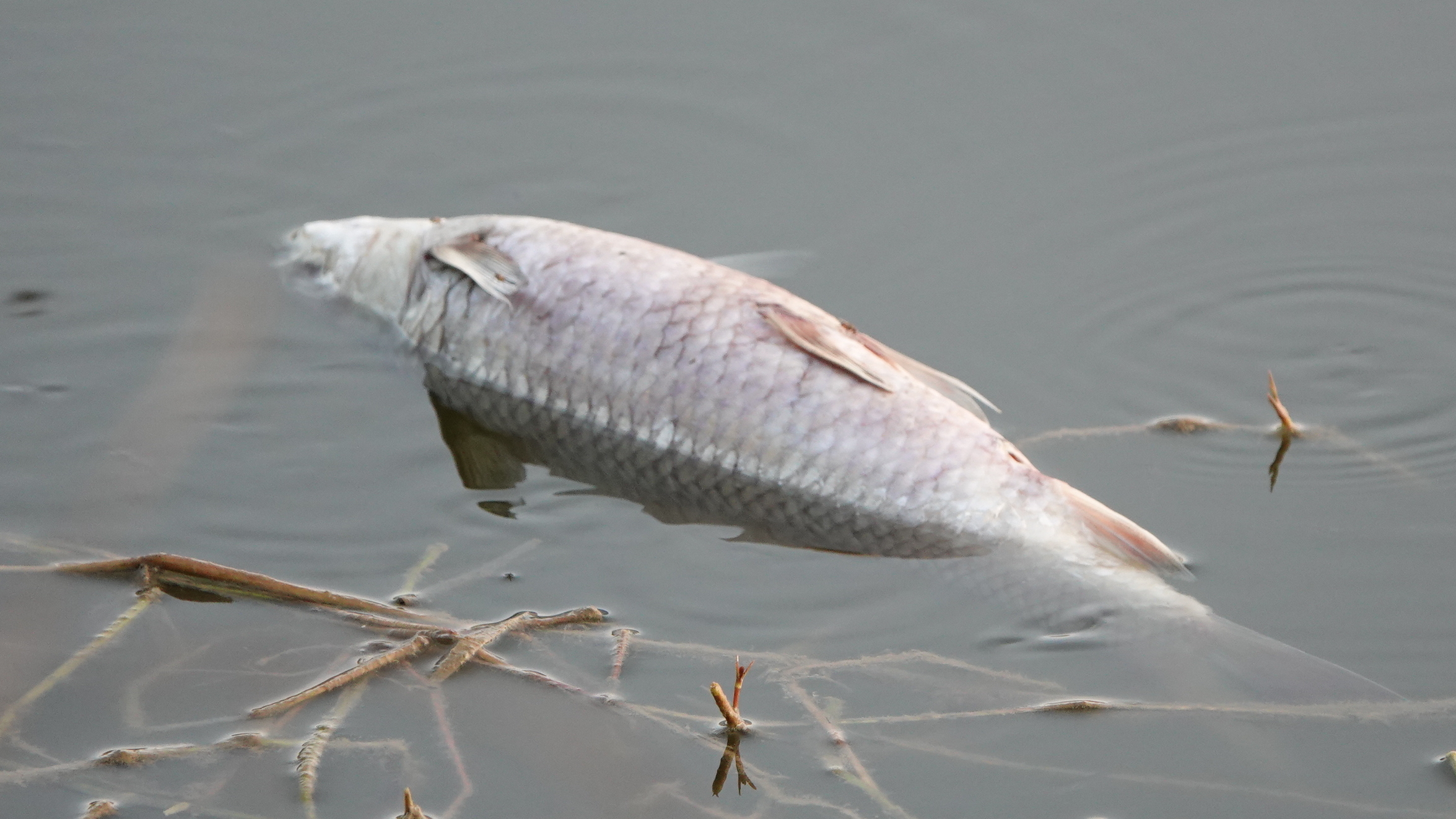
On the 27th, the Lake Walkers invited environmental activists to visit Harohalli Lake in North Bangalore. This 90-acre lake has significant water storage capacity. Members of the Green Circle visited the lake. They found 12 dead fish. These fish ranged in size from 12 to 18 inches. They were located along the lake’s periphery. To their surprise, they also found two dead pelicans, and one was in a dying condition. Dr. Selvarajan of Green Circle suspects that the fish died due to a deficiency of Dissolved Oxygen (DO) in the water. Another possibility he considers is contamination from untreated sewage entering the lake. Green Circle raised this issue with the Commissioner of the Greater Bangalore Authority (GBA) and the Fisheries Department. They have also contacted the Karnataka State Pollution Control Board (KSPCB). The lake Managers perhaps been instructed to remove the dead fish and pelicans. But it is unclear whether any further actions will be taken to prevent future deaths. The next steps to prevent future fatalities remain unclear. Dr. Selvarajan poses an important question: “If authorities claim the deaths were caused by low oxygen levels due to extremely cold conditions, then why did the pelicans die? These resilient birds are usually capable of surviving harsh weather.” Another local resident emphasized the urgent need for a thorough investigation into the quality of the water, stressing the importance of finding out whether similar tragic incidents have been reported in other lakes.
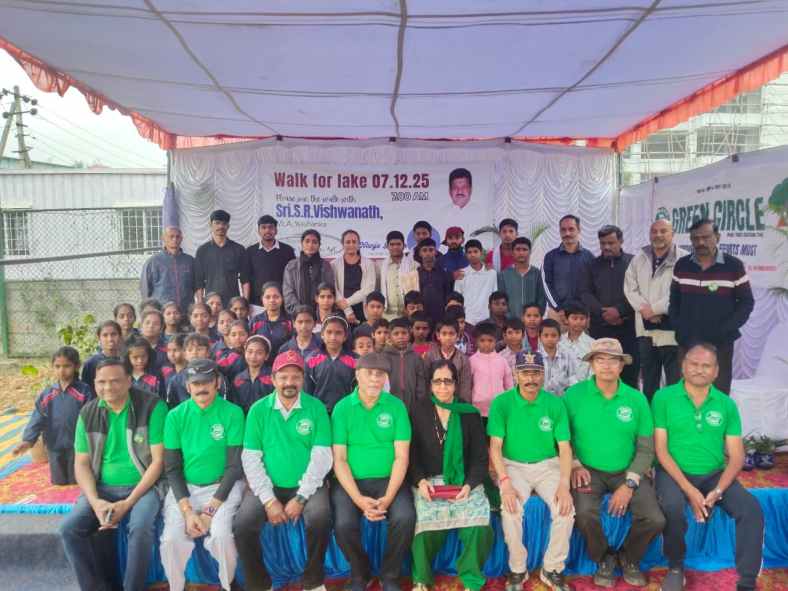
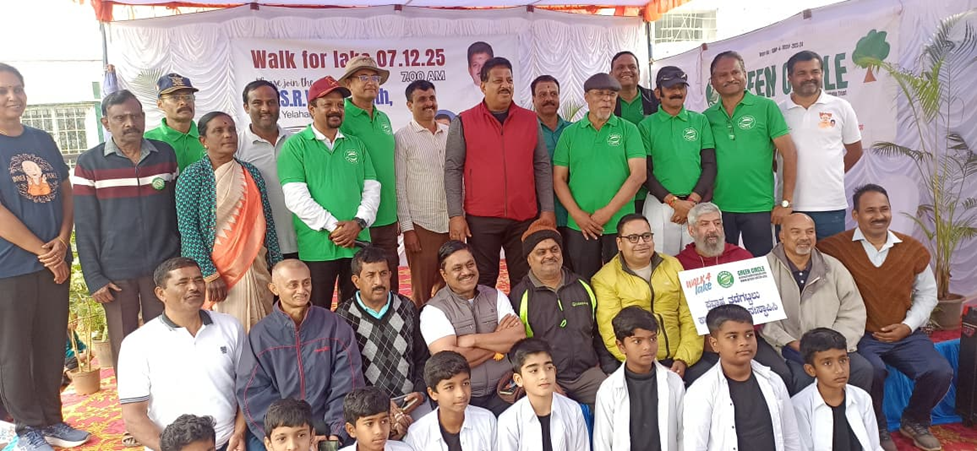
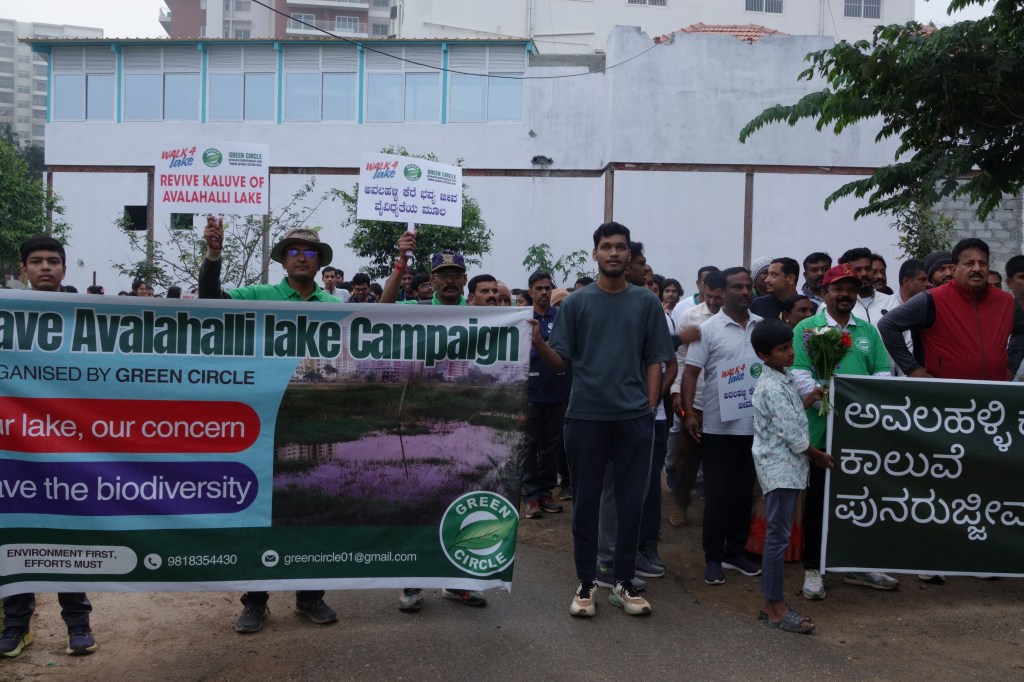
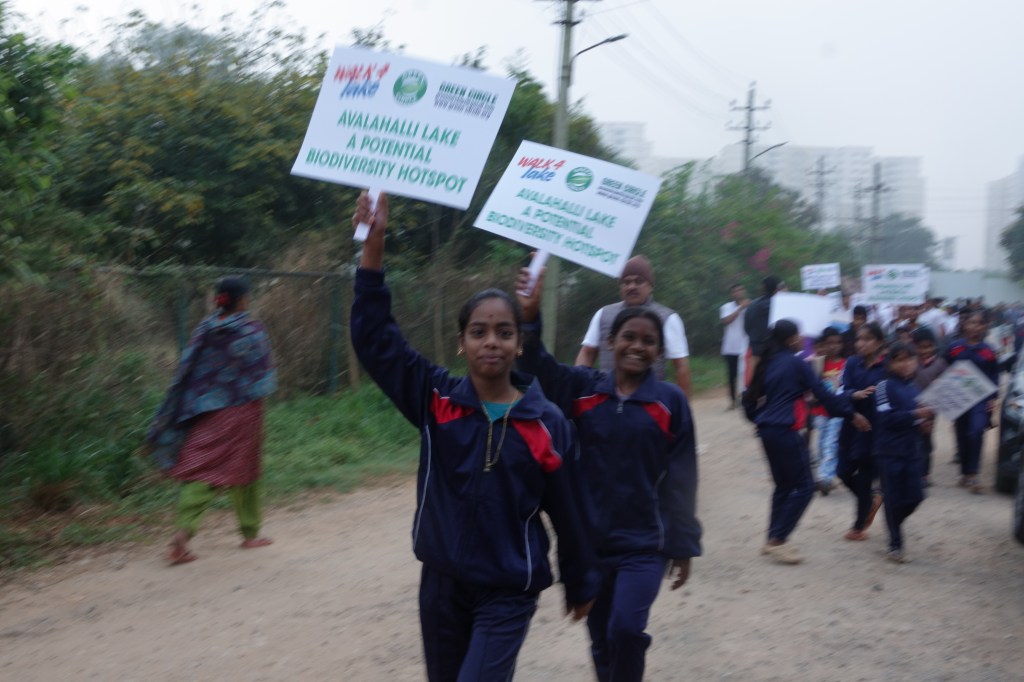
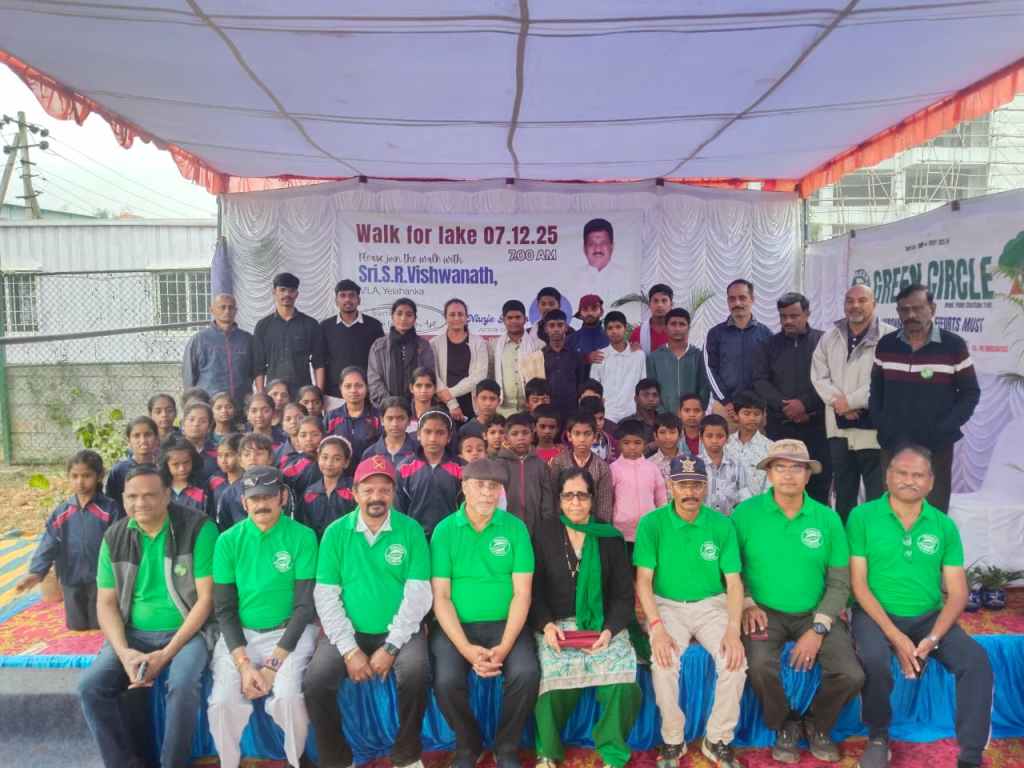
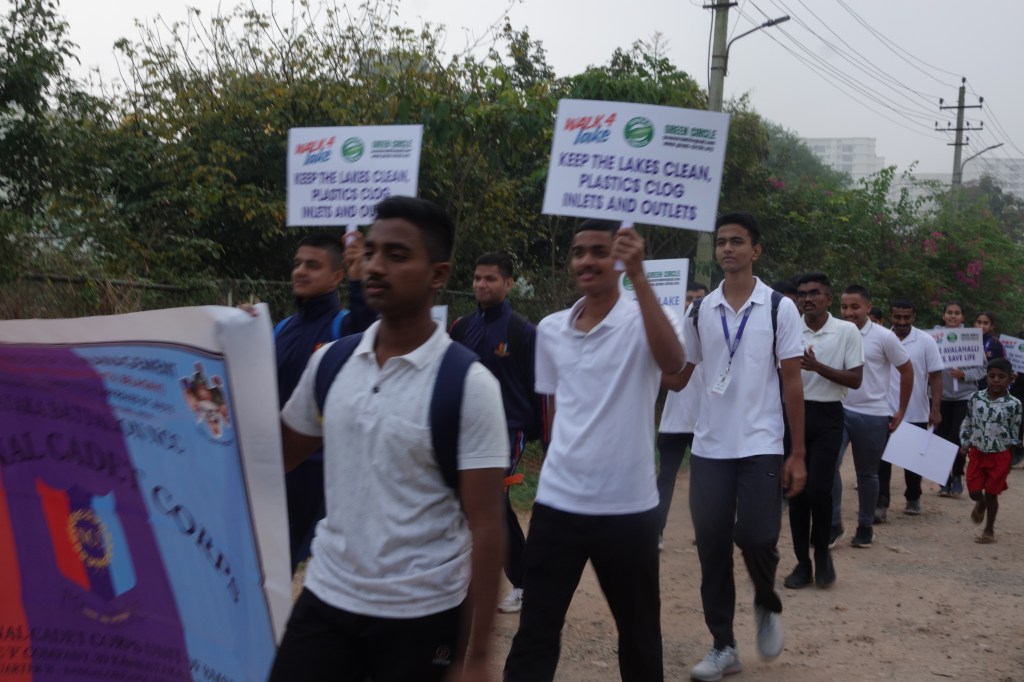
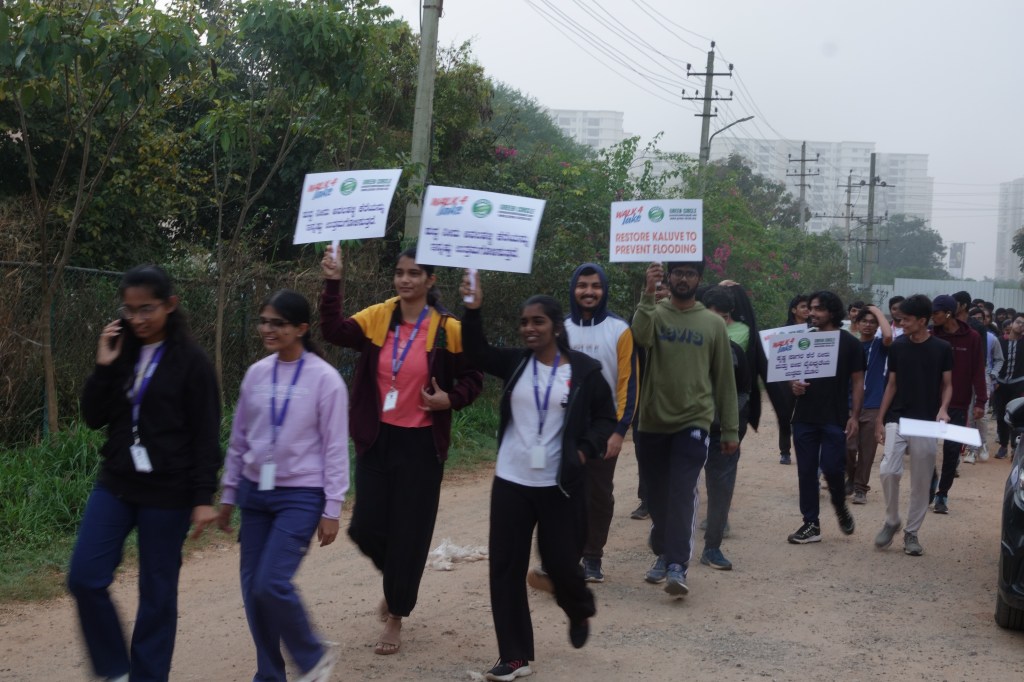
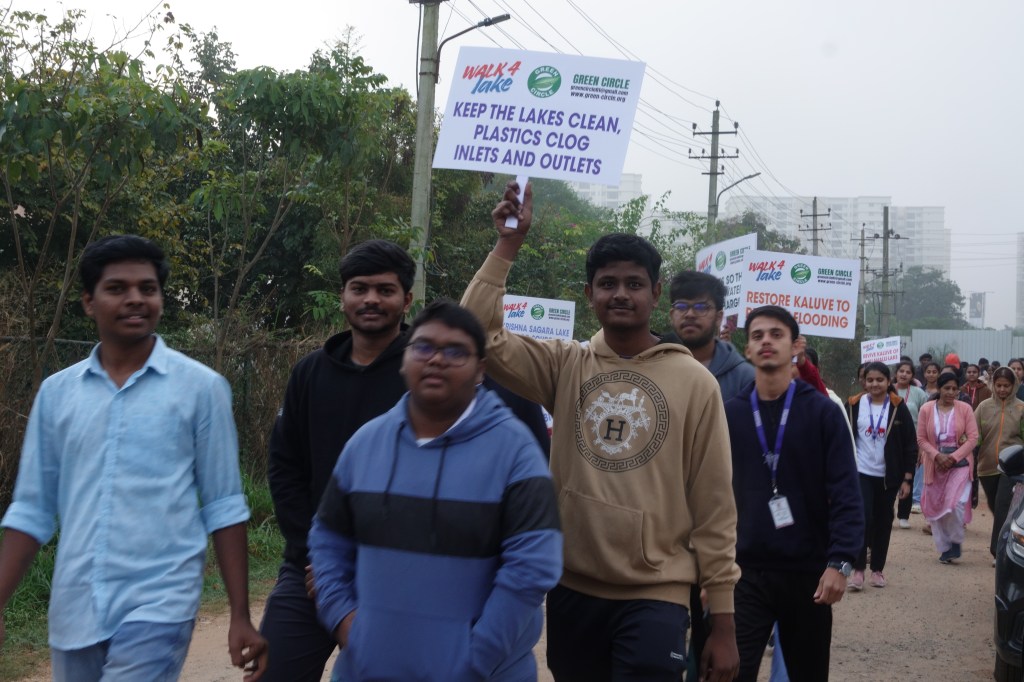
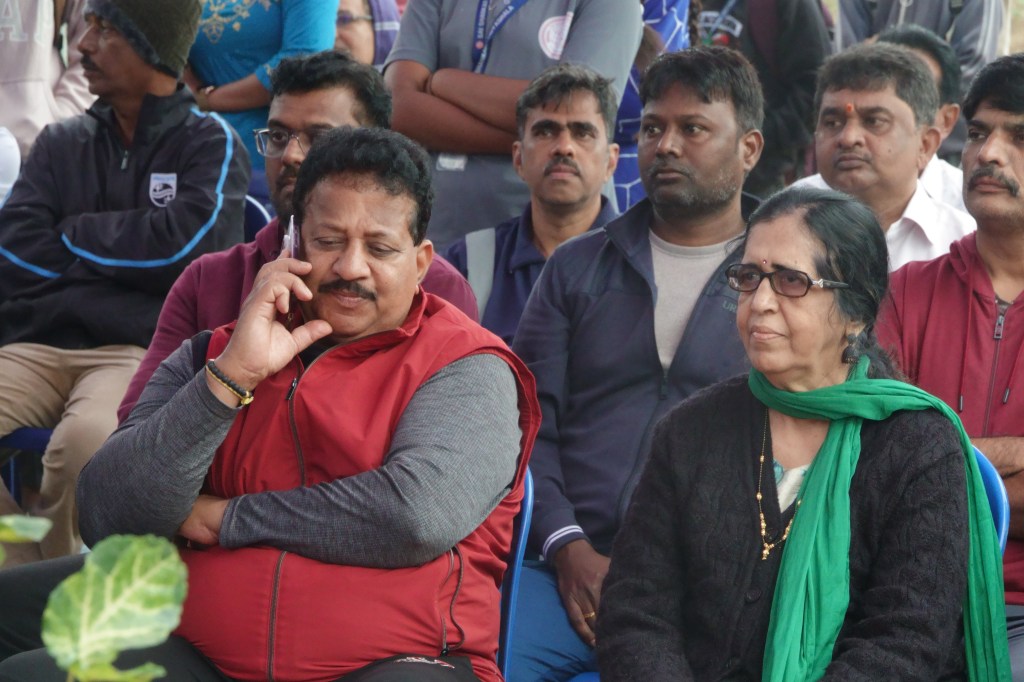
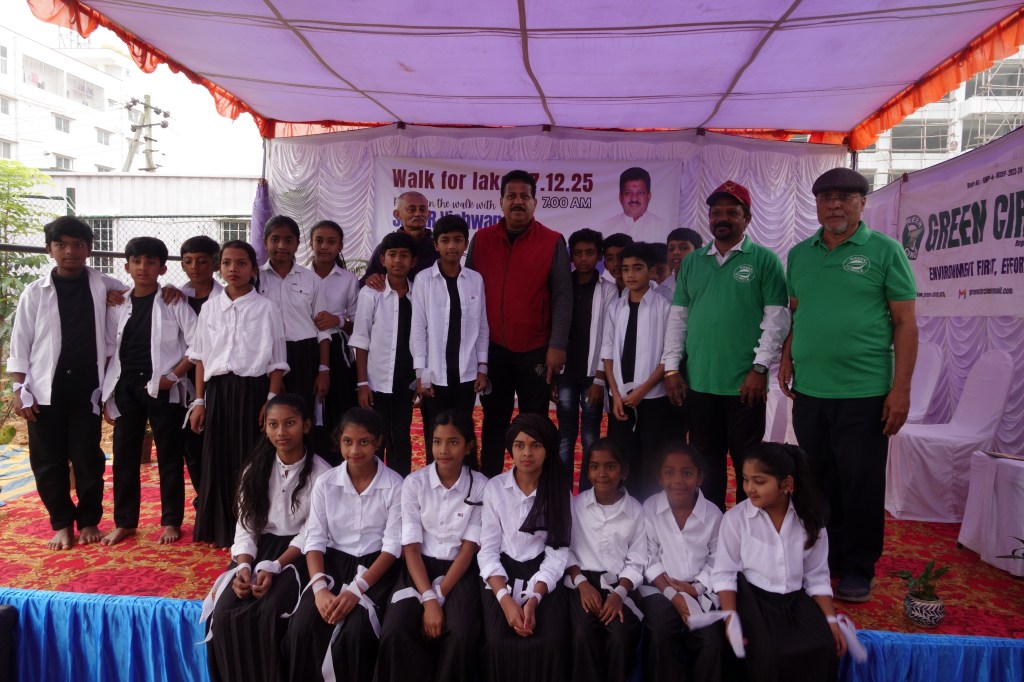
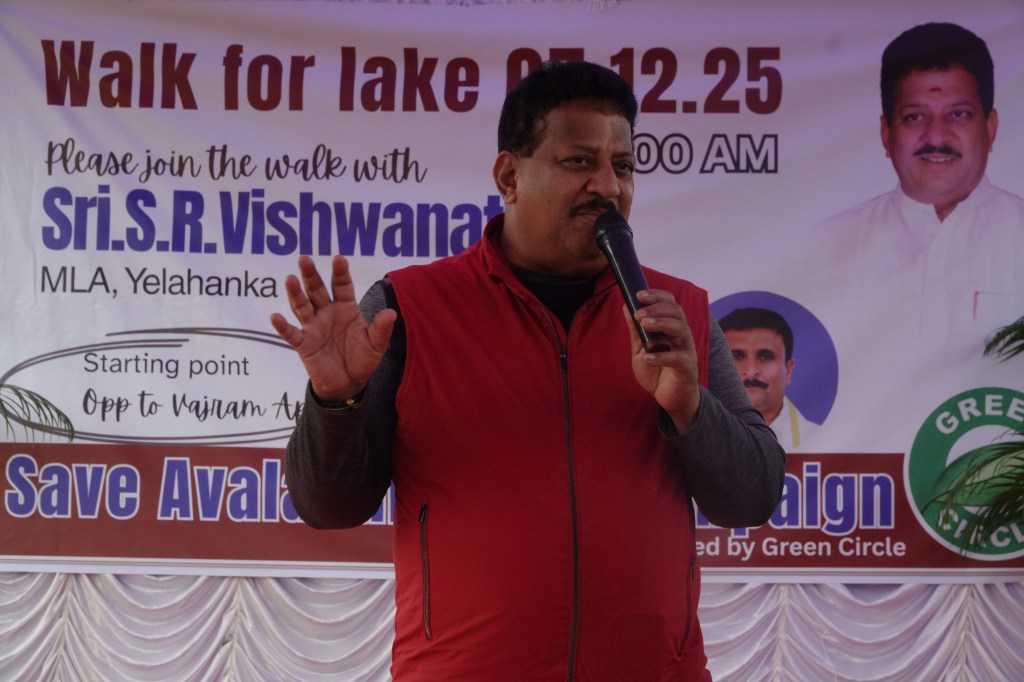
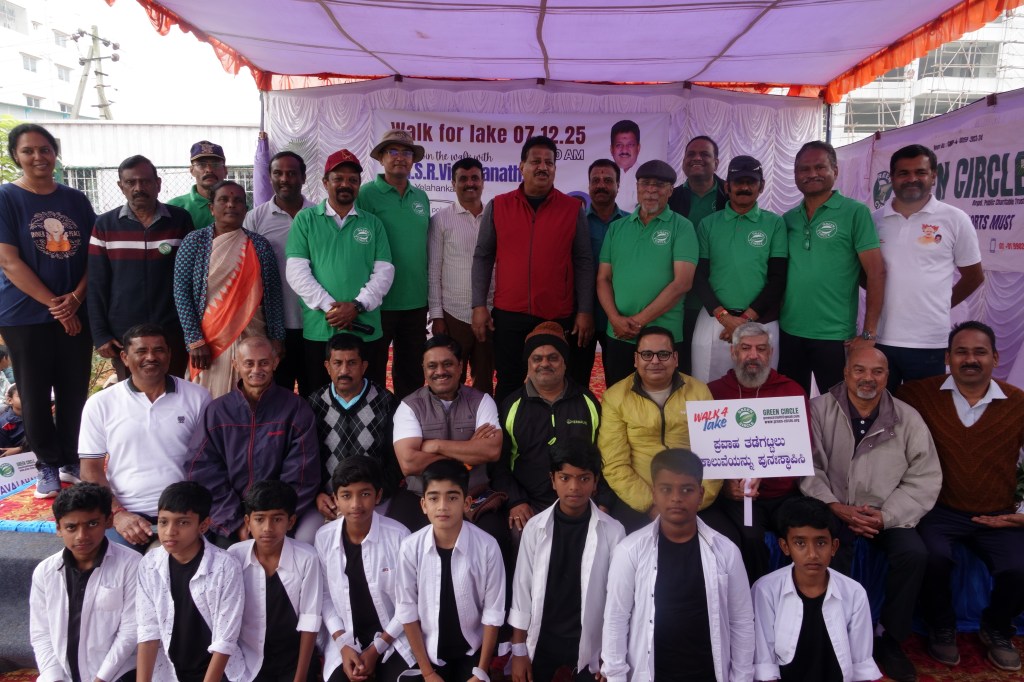
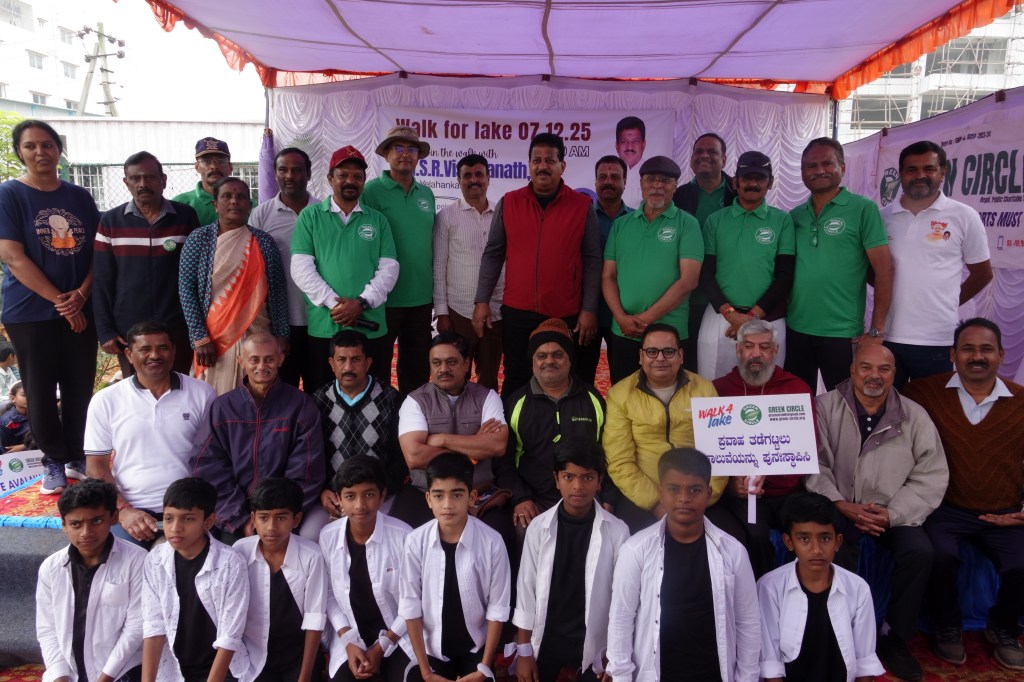
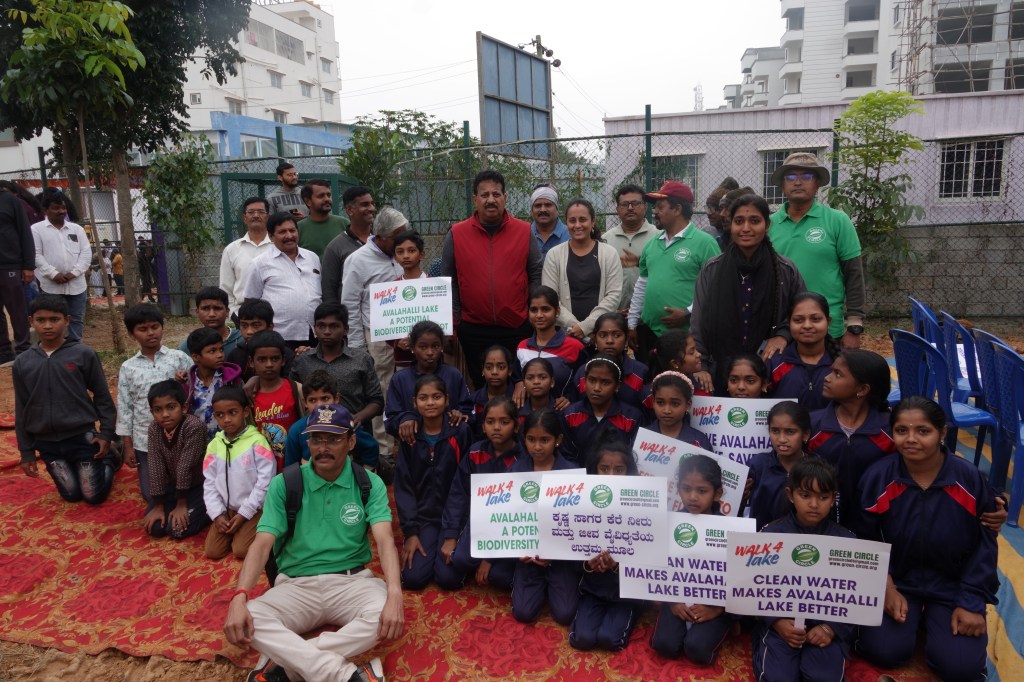
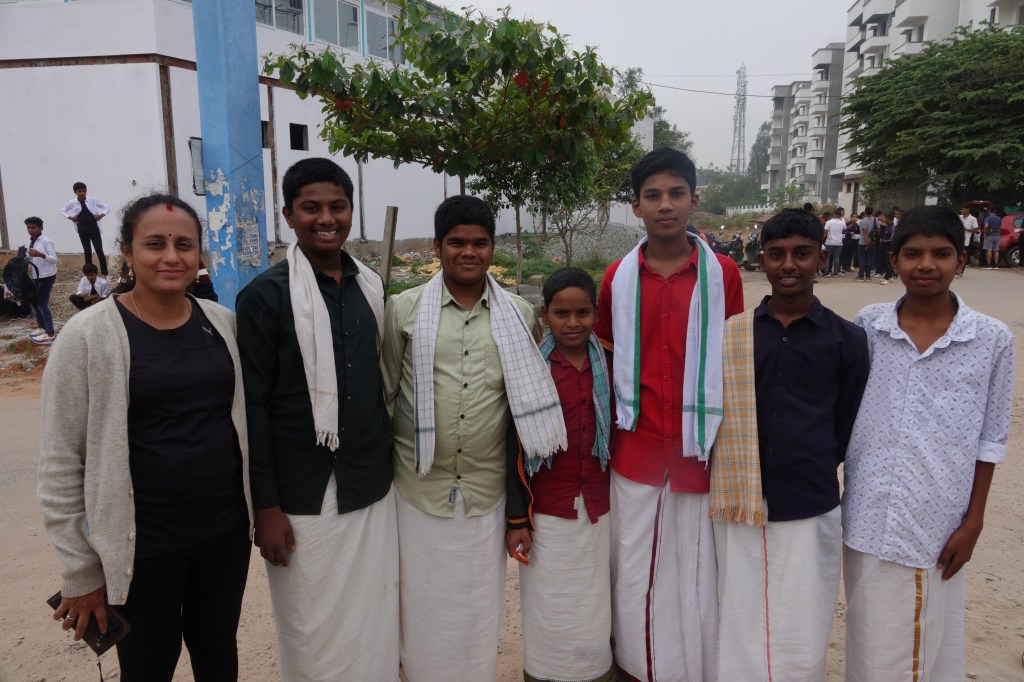
A Walk for Lake awareness campaign was organised by Green Circle on 7.12.25 at Avalahalli lake, Yelahanka, Bangalore. More than 1000 participated in the program. The walk started at Avalahalli lake with Yelahanka MLA S R Viswanath in the forefront along with Green Circle volunteers, Gram panchayat members, residents from the local apartments & layouts, Avalahalli village, BMS IT&M volunteers, NSS, NCC and Rotaract club. Children from Charitable institutions like People’s Trust and Vidya Gokula also joined the rally and staged cultural programs highlighting the need for saving the lake. A human chain and Aarthi were also staged during the rally. Nanje Gowda, Patron of Green Circle, says, ‘The city was once known for its numerous lakes. At one point, it boasted over 1,000 lakes; however, due to extensive urbanisation and extensive encroachment, that number has dwindled to fewer than 200.’ Residents were concerned that Avalahalli Lake could suffer the same fate as other lakes if timely action is not taken. A group of vigilant citizens, under the banner of Green Circle, launched a movement to save the lake four years ago. Navigating this task proved challenging, as the lake is surrounded by a maze of apartment buildings and a diverse array of layouts. Each twist and turn added an intriguing layer to the experience! Green Circle decided to engage residents, authorities and panchayat members. Yelahanka MLA S R Viswanath pledged his support. Green Circle found that the lake was home to about 75 bird species. Ramachandra, Vice President of Green Circle, says, ‘We found that illegal activities, including fishing and open defecation, are rampant as the lake had neither a fence nor a security guard. The water quality was poor and polluted. The inlets and outlets were clogged. We took up the matter with the local Panchayat Authorities and BBMP (now GBA). ‘We realized that the water quality is bad because the nearby colonies throw the untreated sewage into the lake,’ adds Kumar Kalyandurg, Secretary of Green Circle. Vidyasagar Arya from Green Circle coordinated with municipal authorities to apprise them of the need to survey the feeder canal (Kaluve) that connects to the nearby Krishna Sagara Lake. Chairman of Green Circle V Selvarajan says, ‘The canal is currently not linked to the lake, which leads to frequent flooding during the rainy season. Although the Panchayat began restoring the canal, the work was delayed due to a petition from some residents against the Kaluve rejuvenation, as the route passes through their plots. The present walk is to impress the locals about the urgent need to connect the lakes. The walk for lake awareness event started from Avalahalli lake and walked alongside the proposed canal and reached the Krishna Sagara lake, from where the canal originates. The walk ended at Avalahalli lake after the MLA inspected the Kaluve and its encroachment points. Singanayakanahalli Panchayat President Amravathamma also joined the walk. Other Panchayat members included Muni Reddy, Keshavmurthy, Prasanth Reddy, Manjunath, Nanje Gowda, Kran Kumar, Babu, Sathish Reddy, Girish, and others participated. From Green Circle Selvarajan, Ramachandra, Vasanth Kumar Shetty, Kumar Kalyandurg, Vidhyasagar Arya, Sandip Kumar Mukhopodhyay, Biju, Virabathrappa, and Vidya Badri joined the walk. Nanje Gowda, patron of Green Circle, proposed the vote of thanks
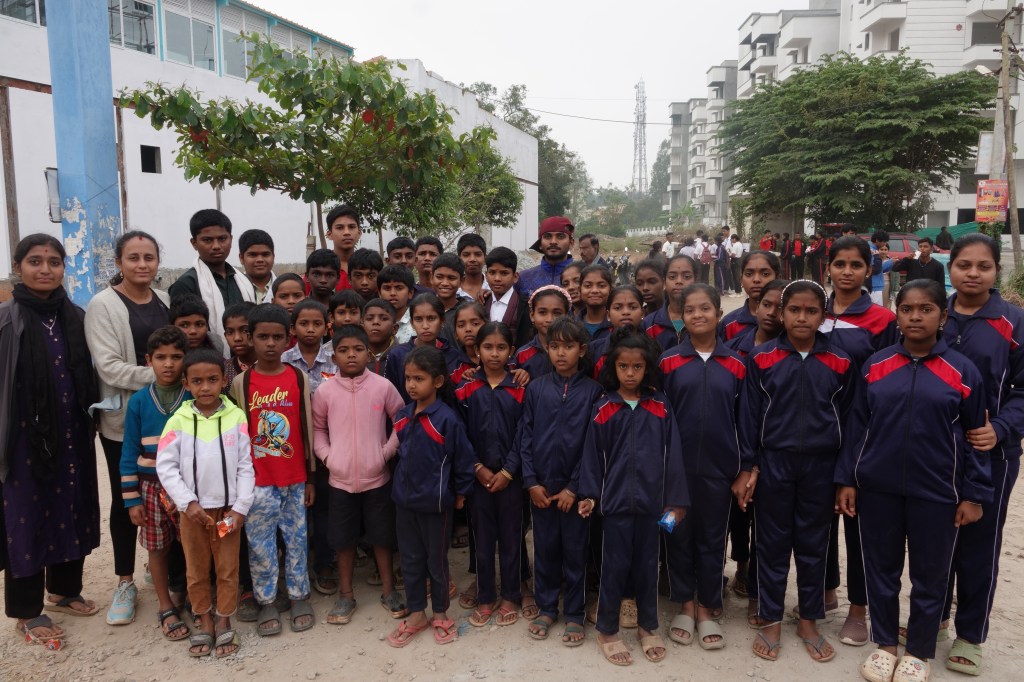
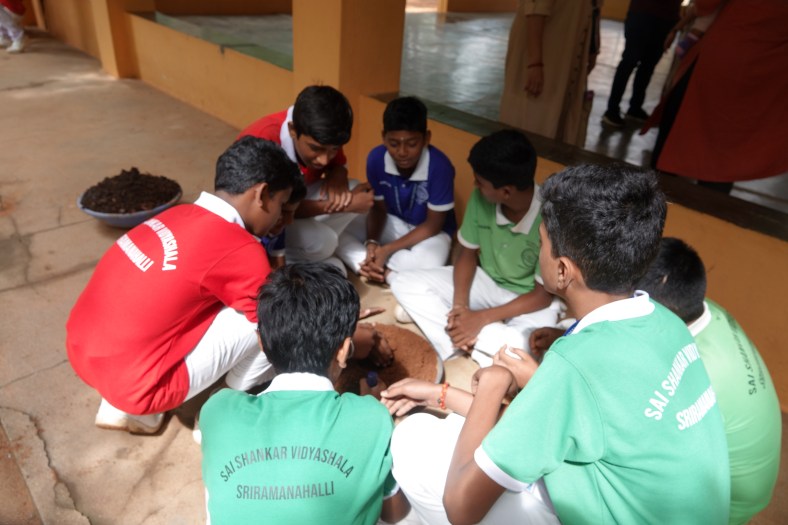
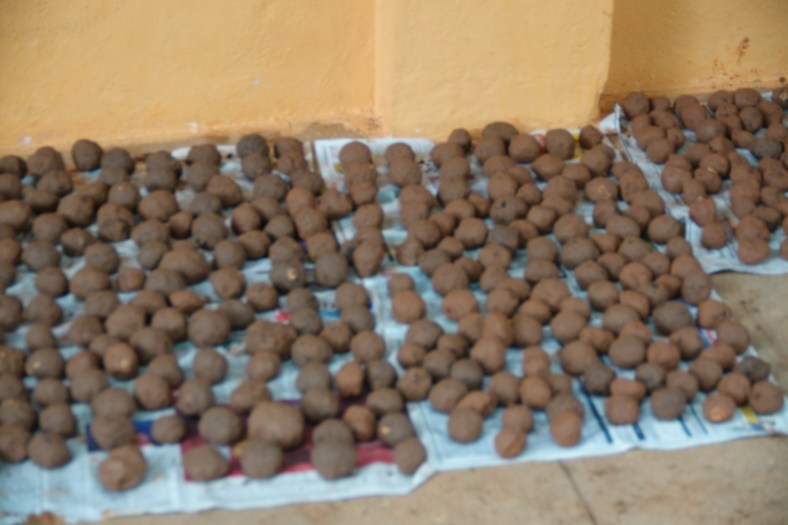
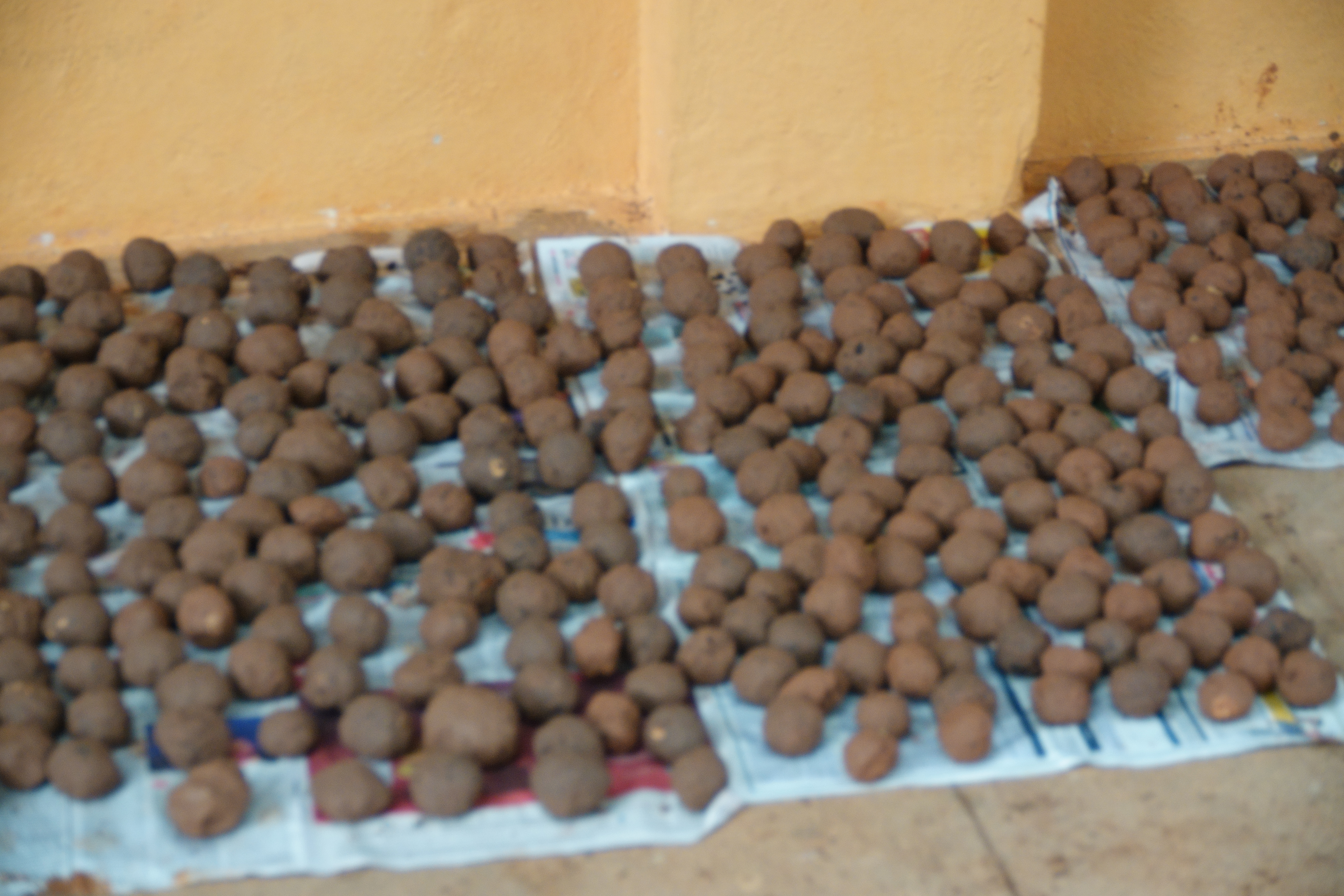
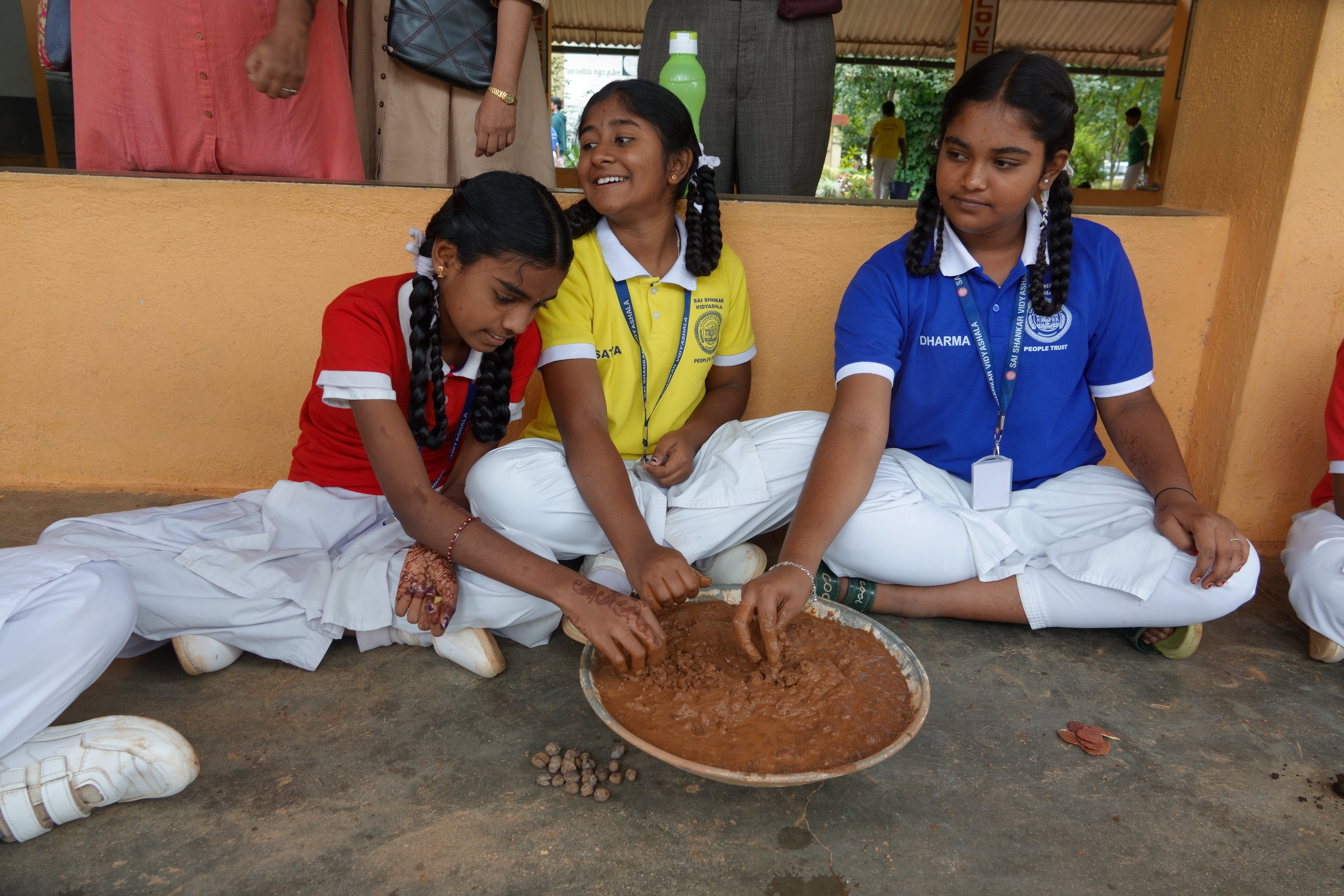
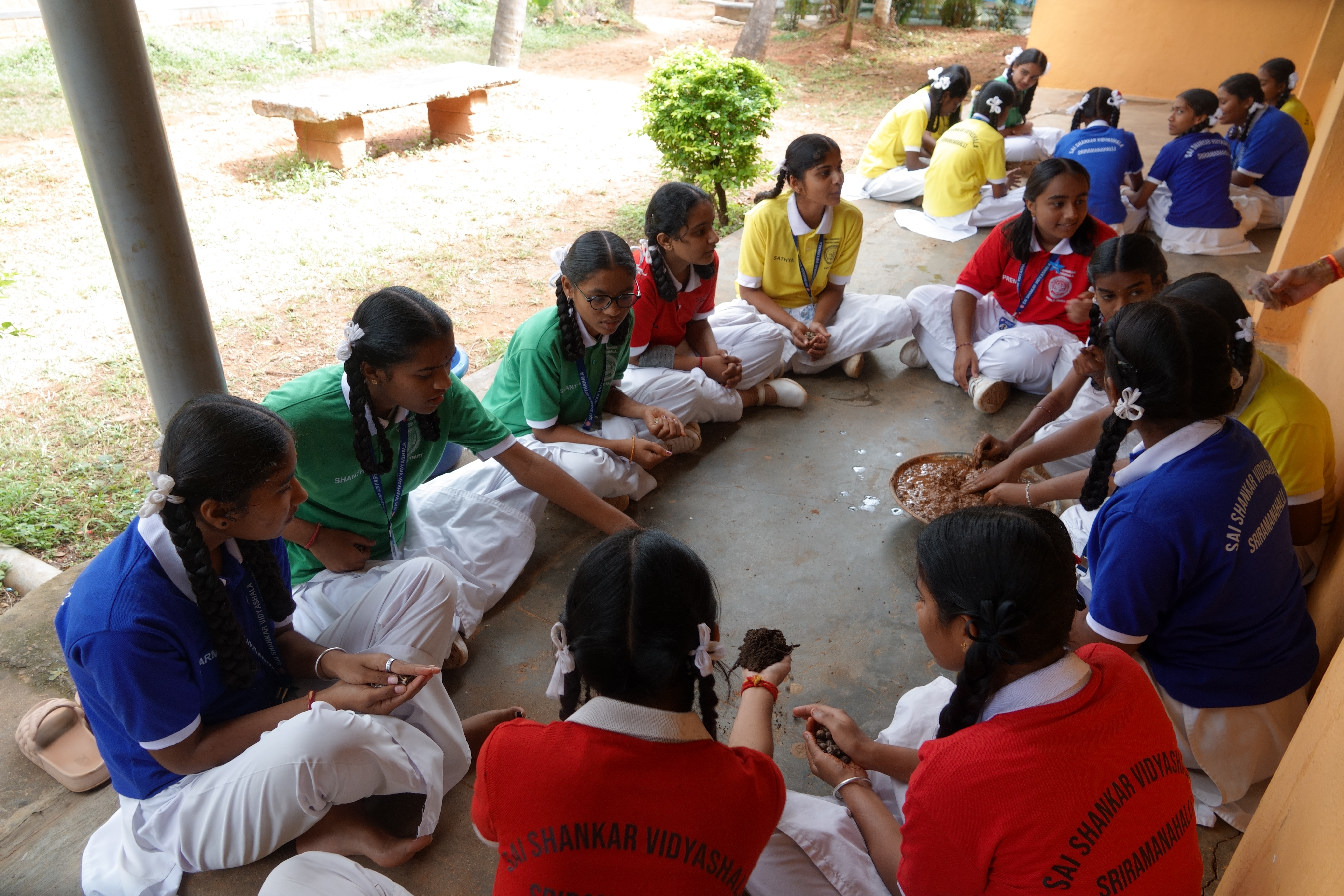
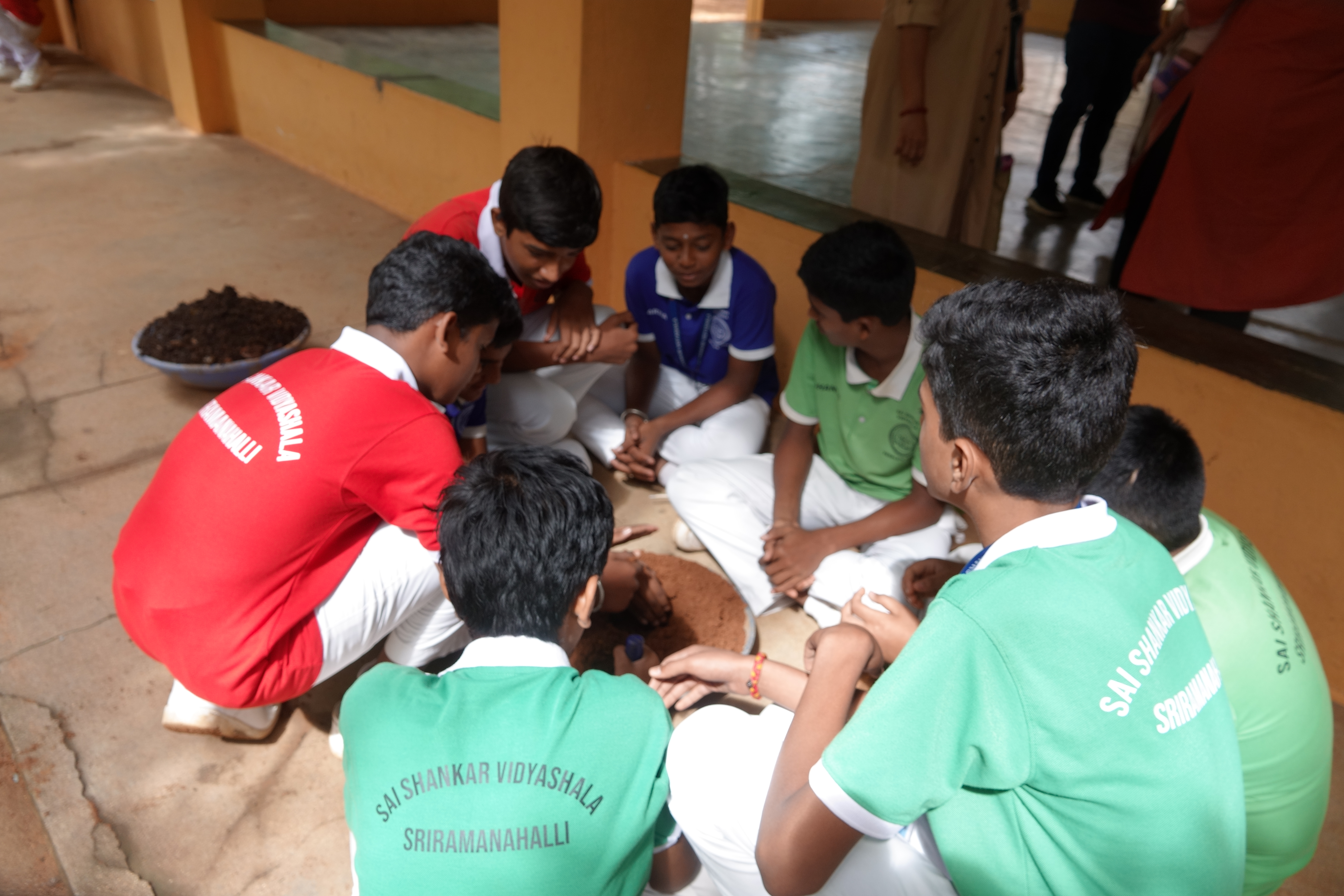
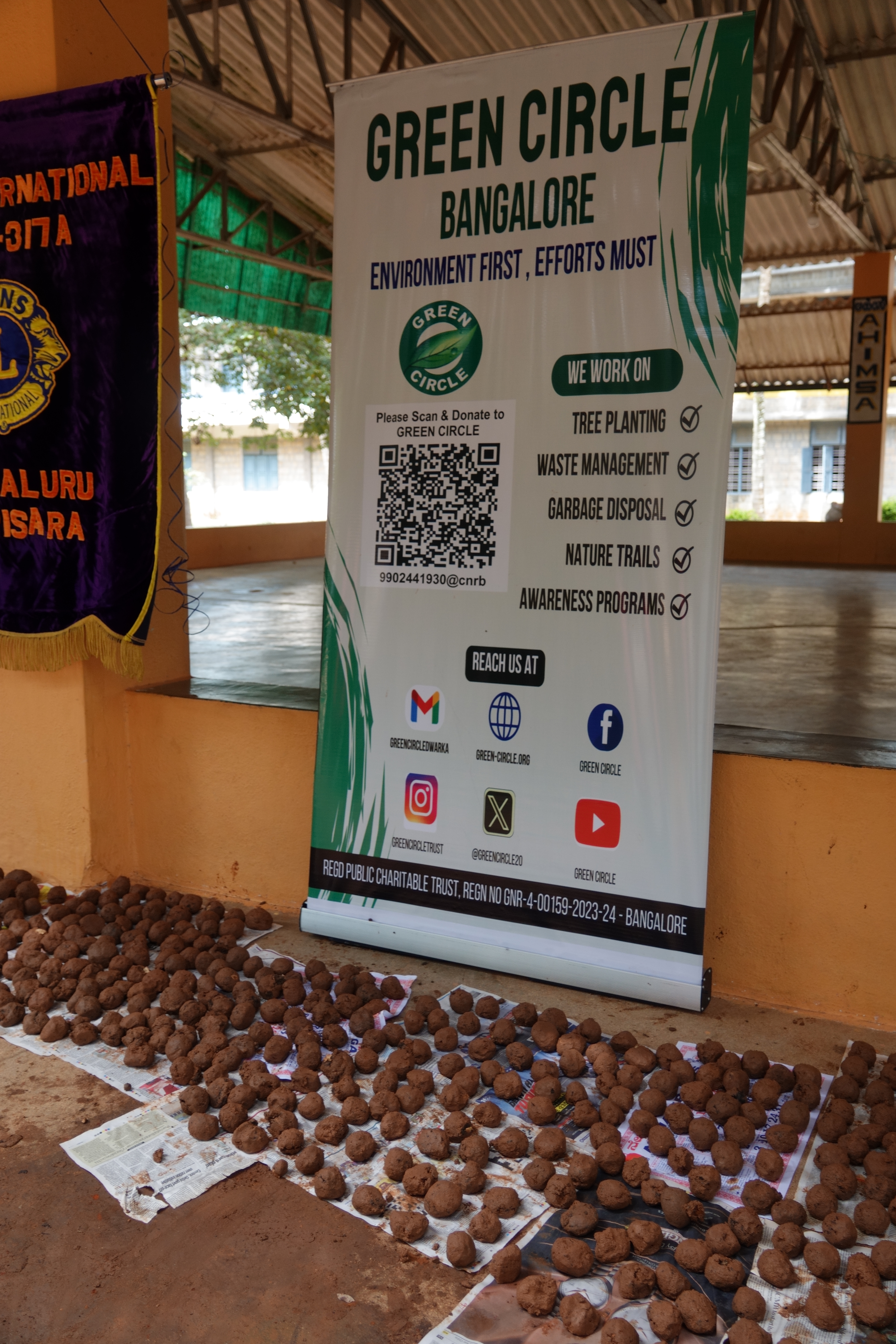
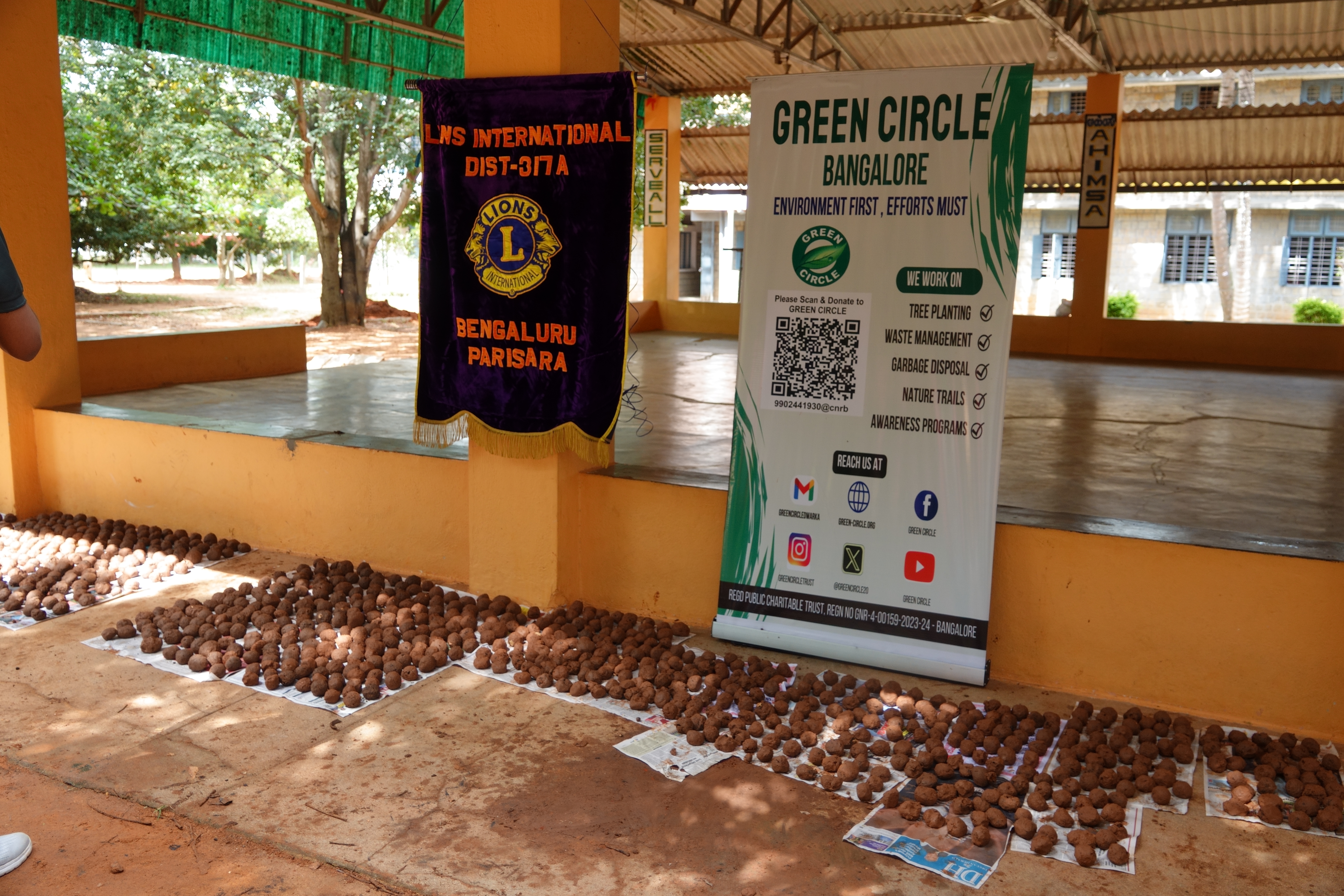
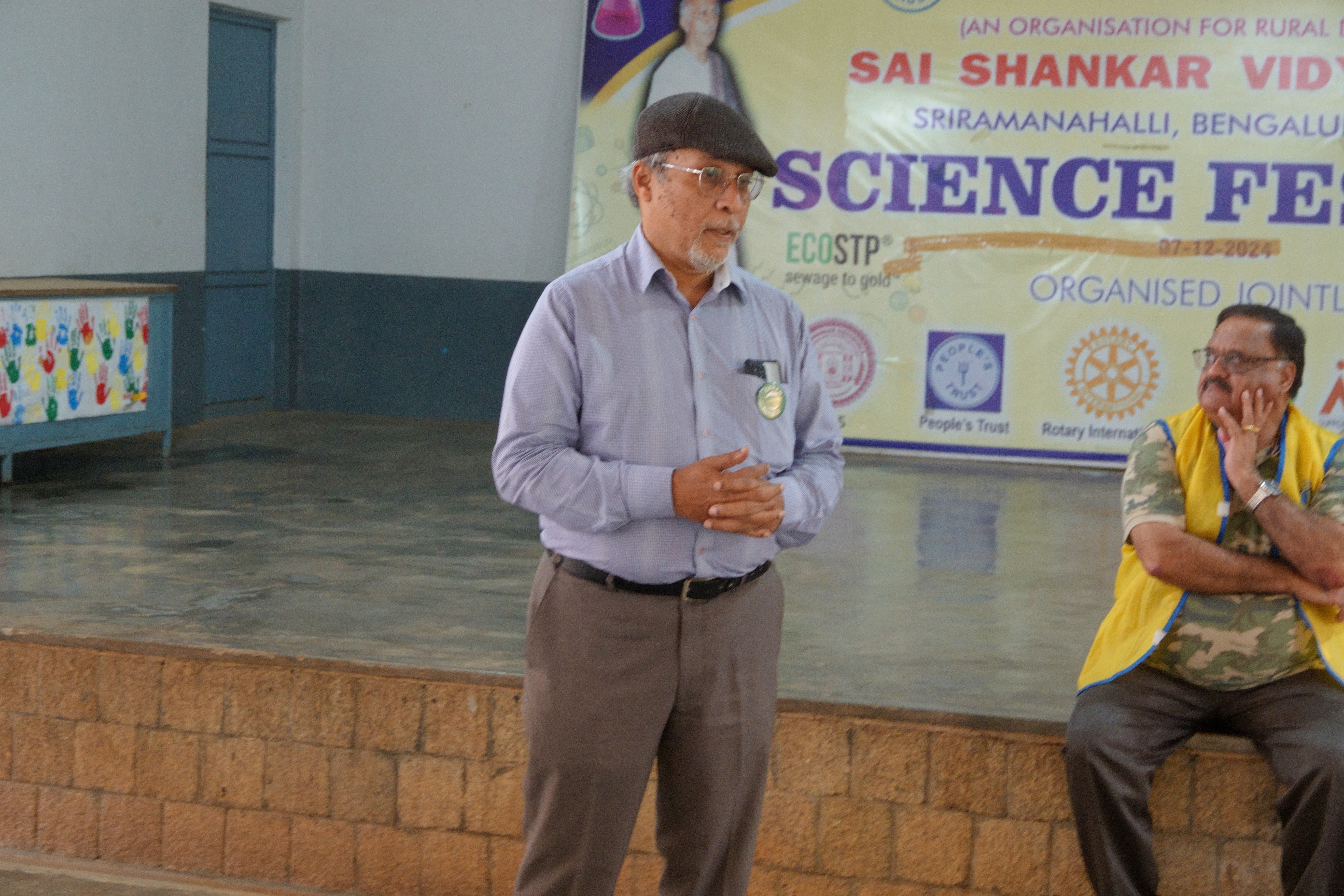
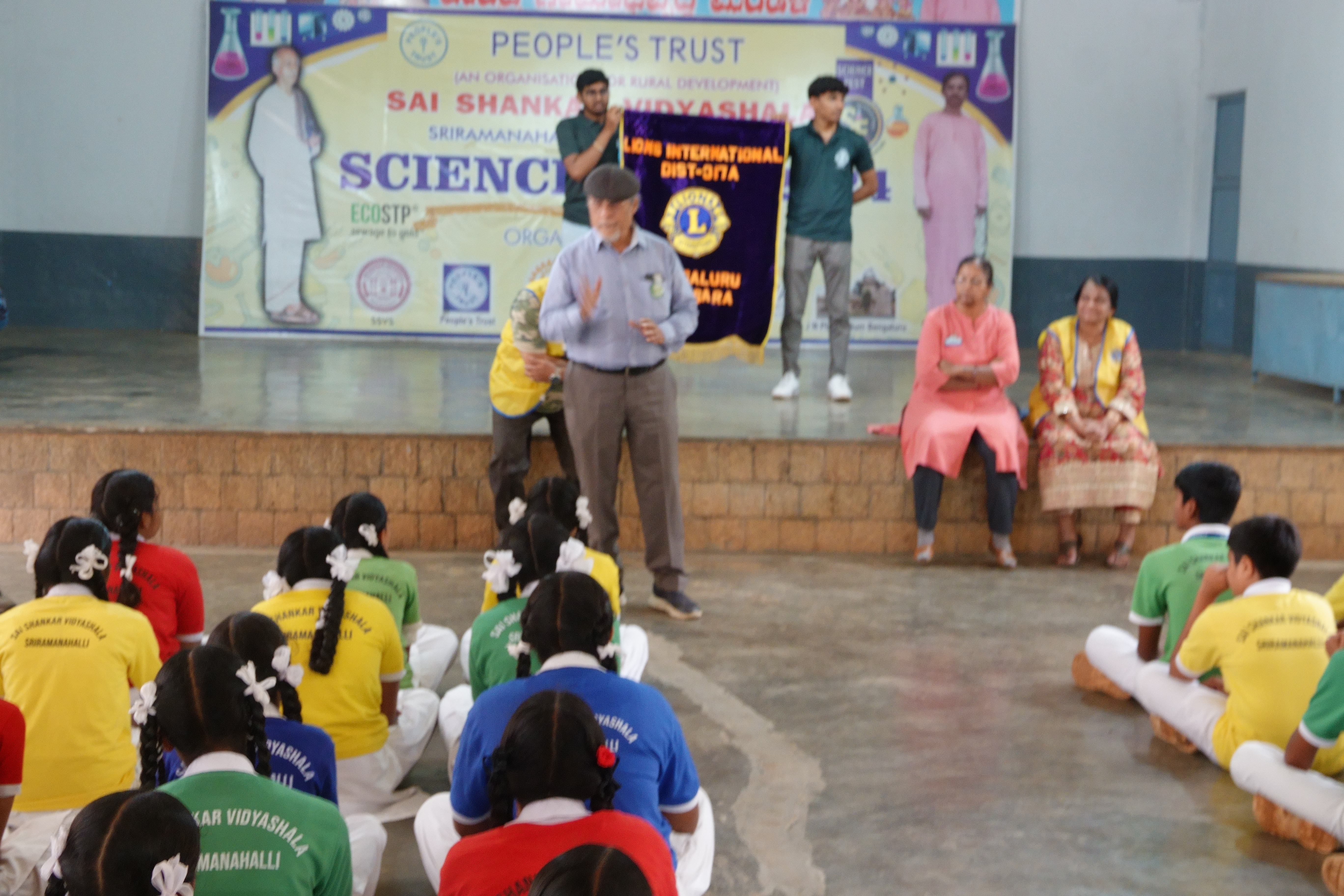
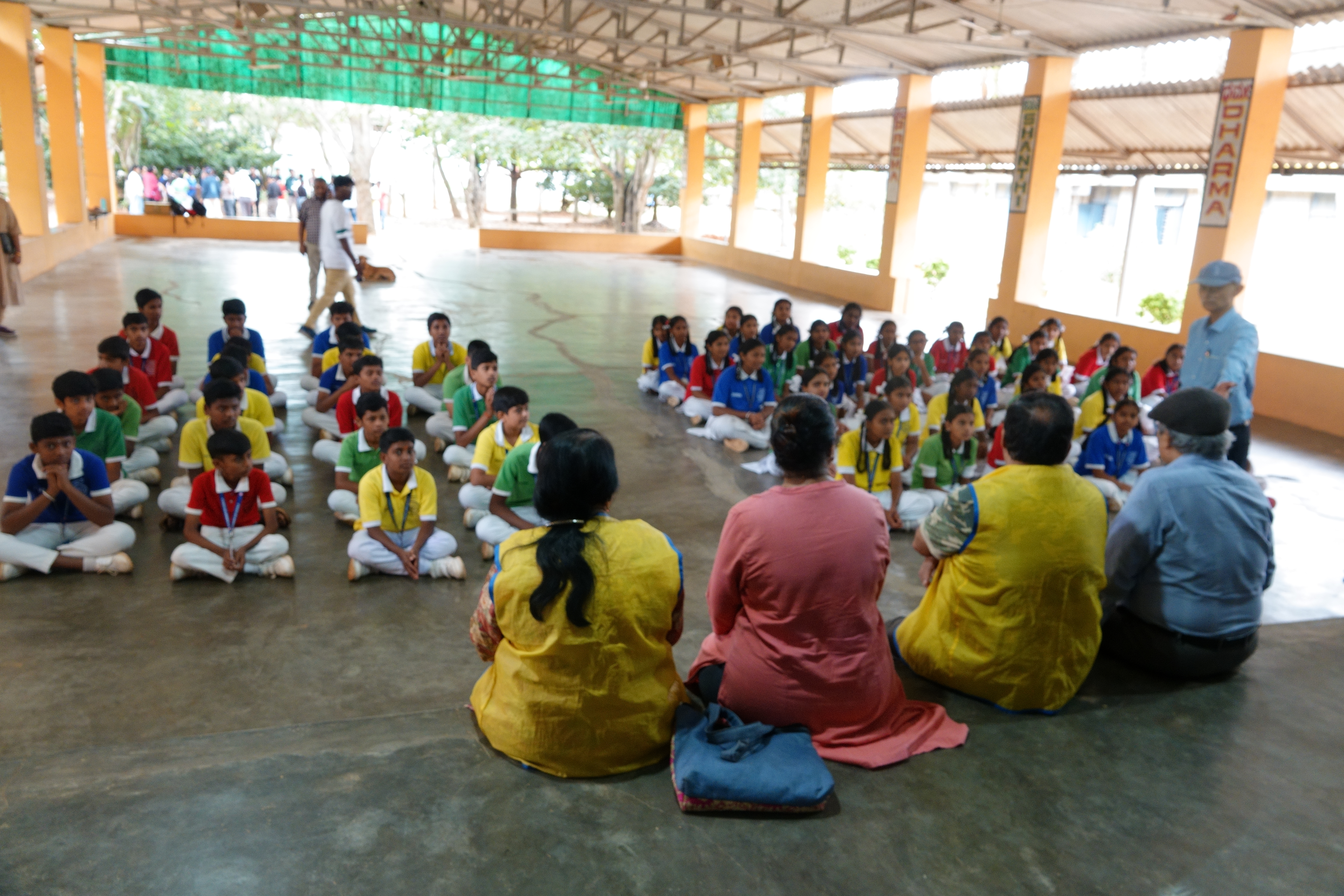
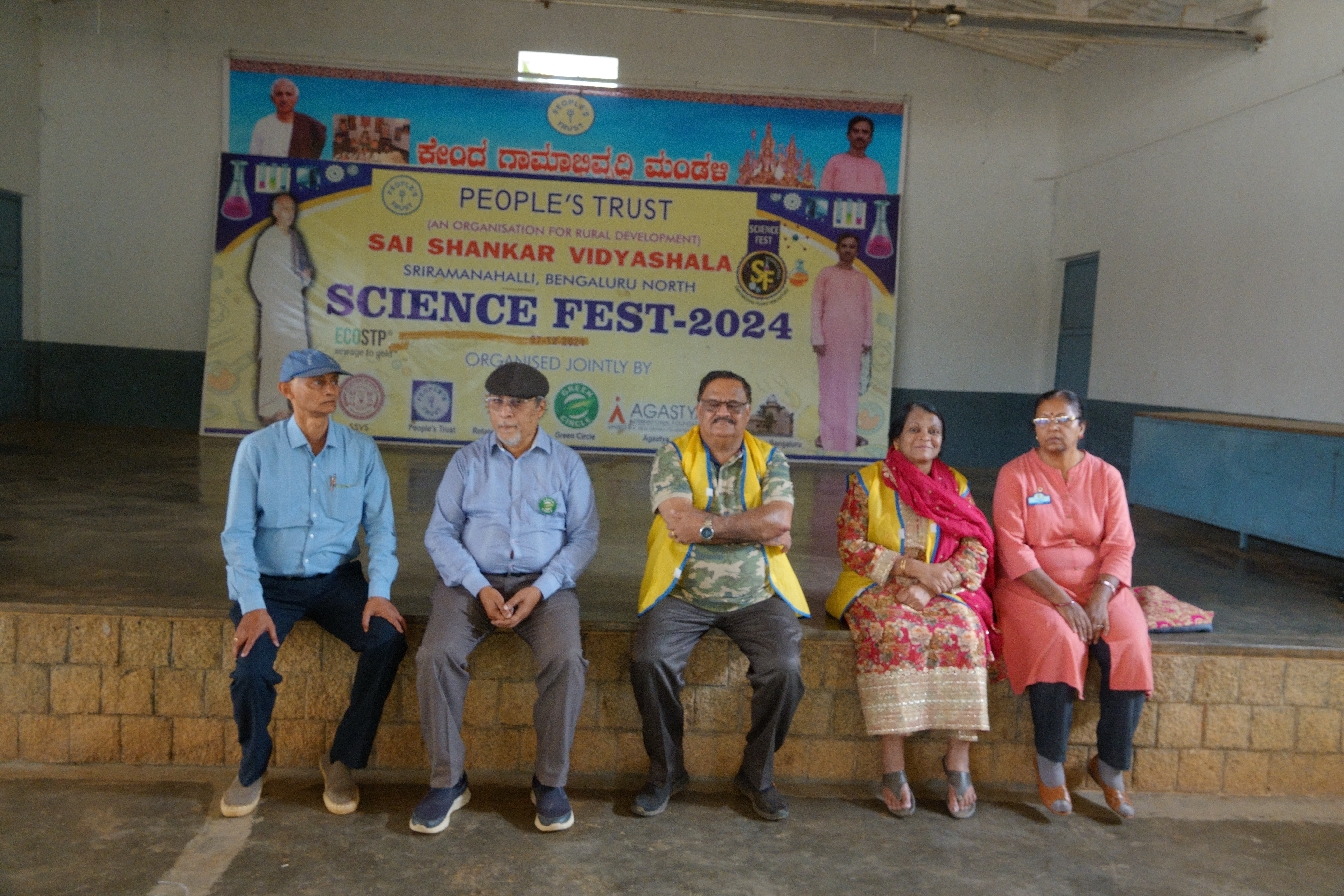
A Seedball making project by the Lion’s Club of Bengaluru Parisara-Green Circle and People’s Trust in which 60 children from Sai Shankar Vidya Shala and members of Leo Club of Mewa Vanguard Business School participated. Dr V Selvarajan, Chairman of Green Circle, conducted the training for seed ball making. Harish Uthaiah, Managing Trustee of People’s Trust welcomed the gathering. Manjunath, President of Lions Club, thanked the audience for the support. 2056 seedballs were made by 8 teams of students who learnt the art of seed ball making. From Green Circle, Kumar kalyandurg, Vasanth Kumar, Sandip Kumar and Biju participated in the program
A report by Kumar Kalyandurg, Secretary Green Circle Bangalore
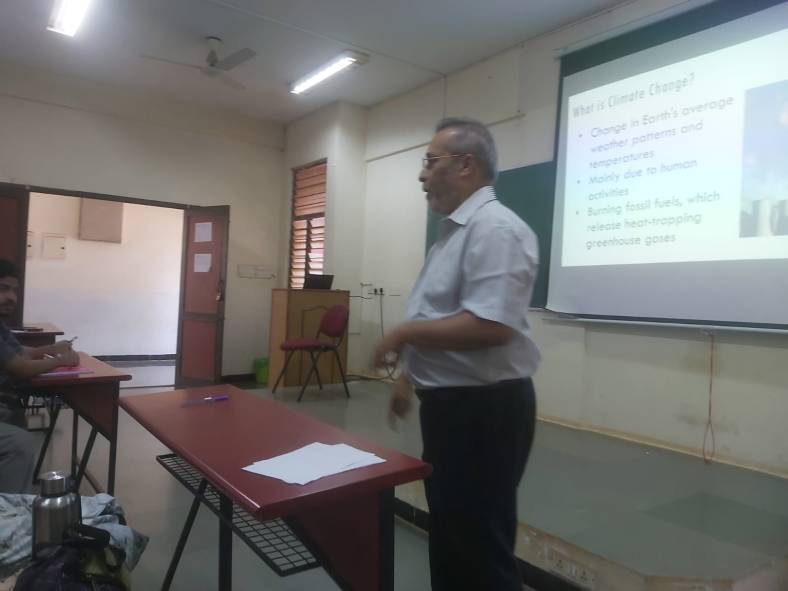
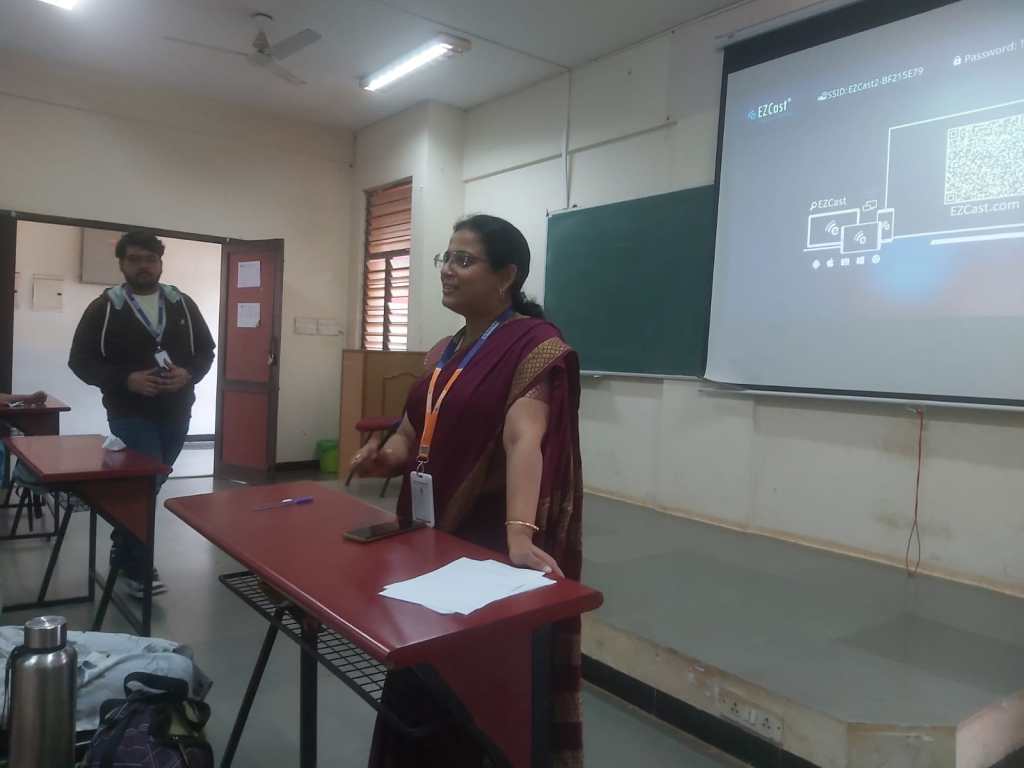
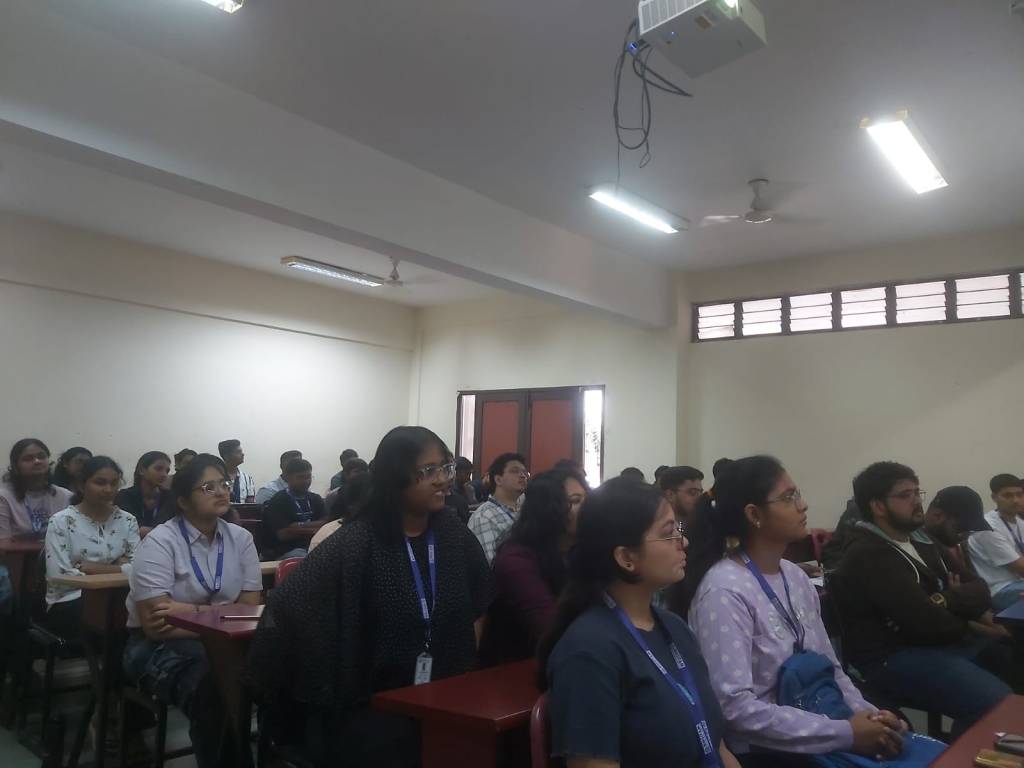
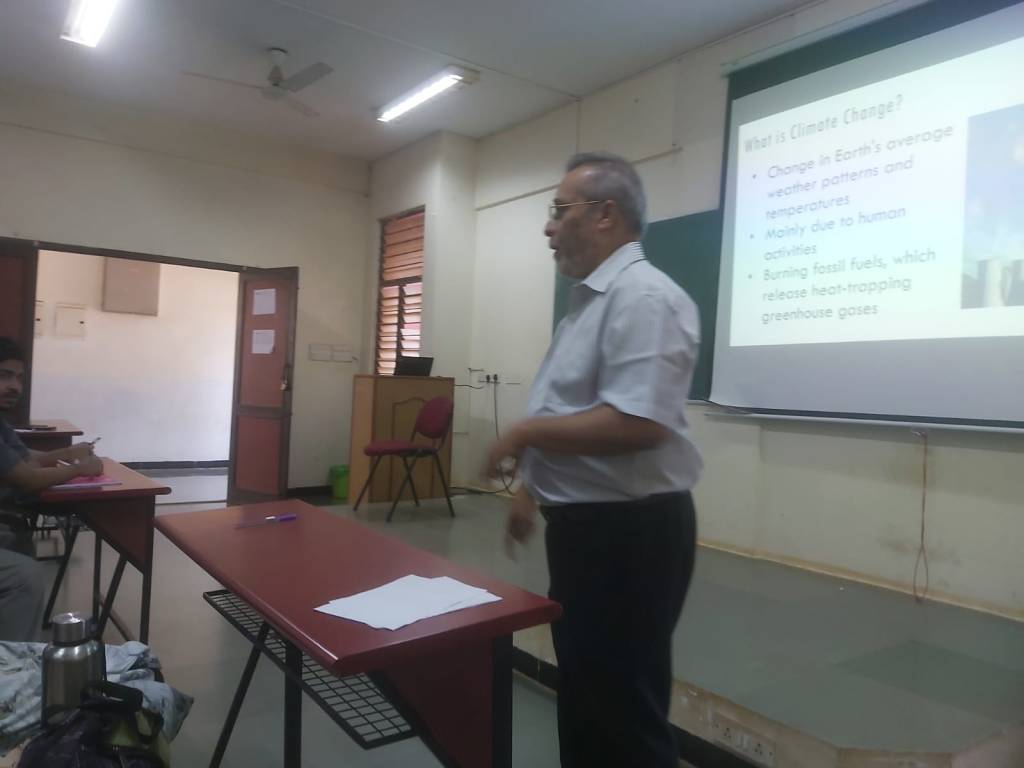
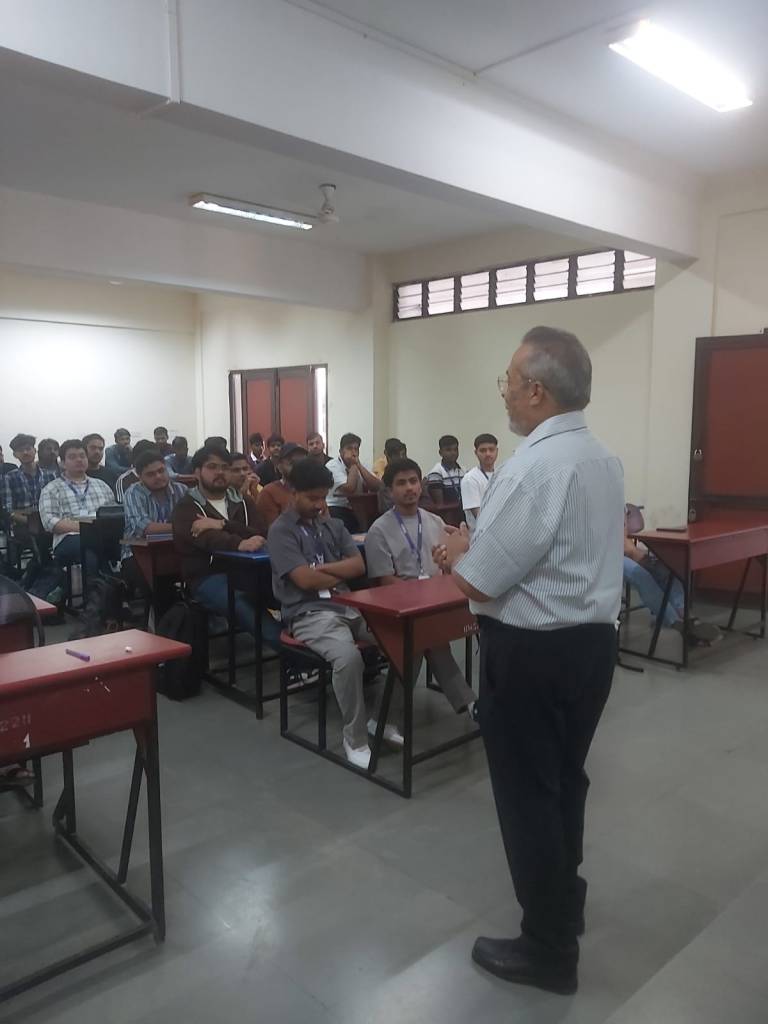
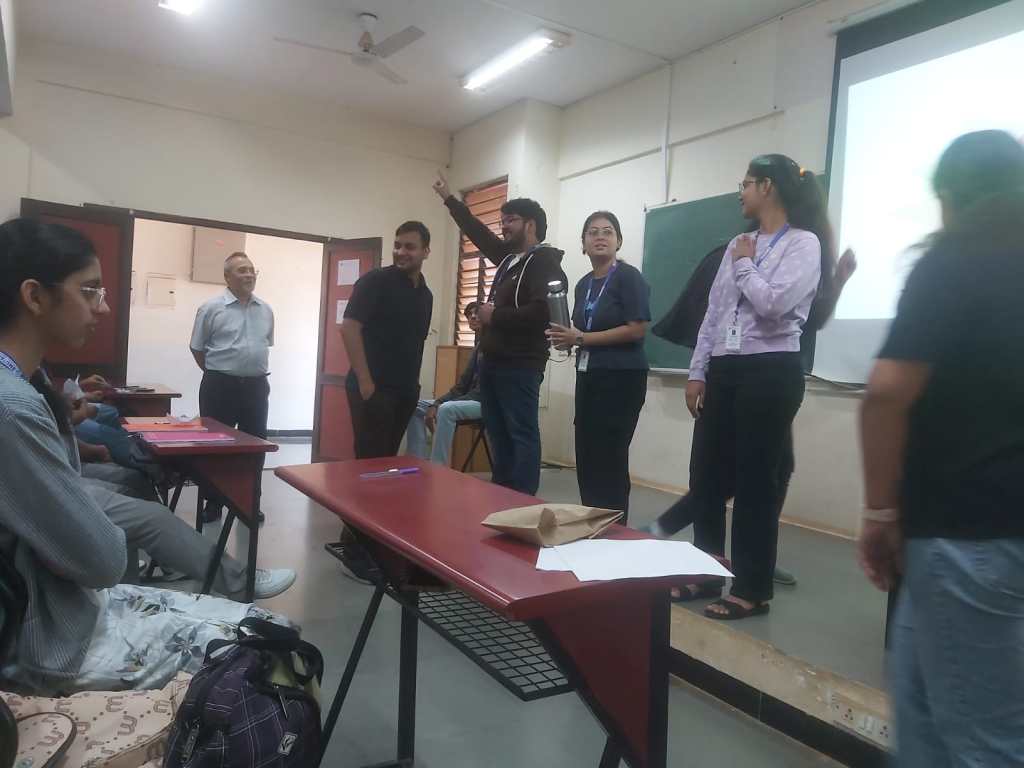
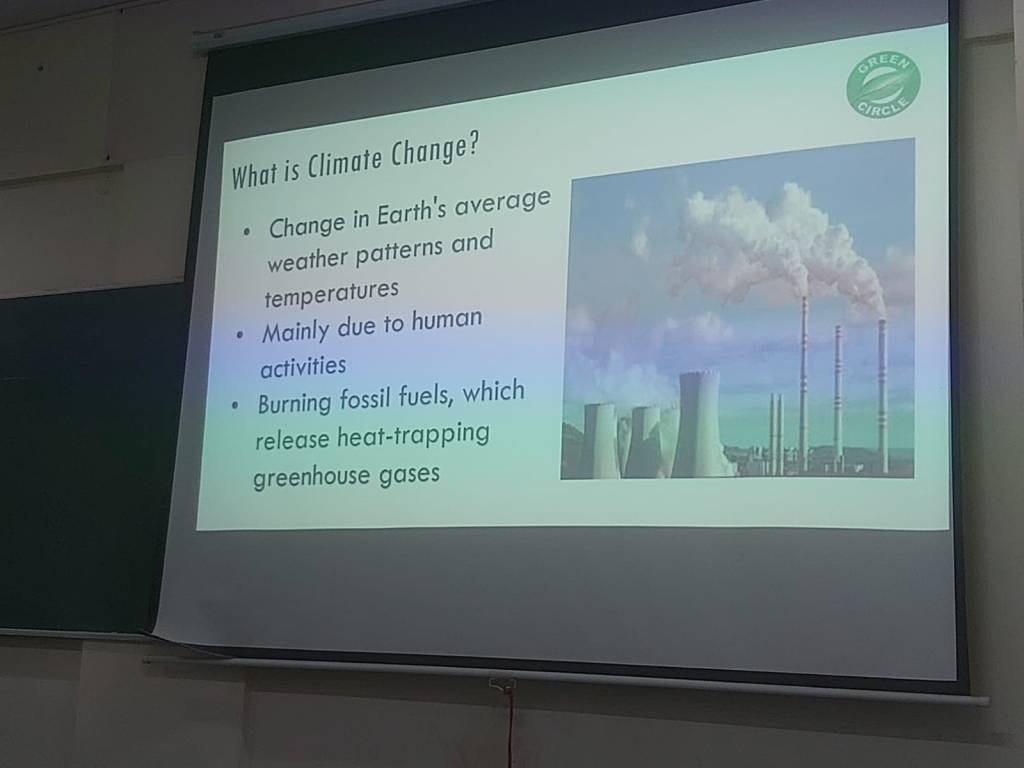
The occasion was the orientation workshop for freshers in BMS Institute. The session was ‘ecosensitisation of the new entrants’. As usual, Selva ji, with full energy, presented a very much educative & informative session about the conducive Environment at BMSIT Engineering College for 1st Semester Engineering Students. Sir also conducted a simple quiz involving students on the dais with little of humor added to the ambience. He also emphasized the need for improvising creativity in all spheres to excel. The PPT presentation was superb, with interaction with the students. Overall, the session was a memorable one for both the students and faculty. On behalf of Selva Sir & Green Circle, saying ‘Thank you’, Dr (Prof.) Tejaswini for all your efforts in conducting / coordinating such a lovely Session for the new comers to BMSIT.
Asst Commissioner agrees spot inspection to assess encroachment of the kaluve (Avalahalli lake canal)
Bangalore: The feeder canal for Avalahalli lake is available in the map, says survey report. A survey was conducted by revenue officials at the request of Green Circle more than a year ago. But the canal is only in the map, not in reality, says Vidyasagar Arya, a member of Green Circle. He adds, ‘The Panchayat officials arranged JCB to dig the canal as per survey number last year. We were confident that the canal (Kaluve) would be revived. It would connect Krishna Sagara lake in upstream and Avalahalli lake in downstream.’ Ramachandra of MSR NE County adds, ‘Our layout is the worst affected due to flooding during the rainy season. This year, the monsoon was very active and the layout was flooded on a few occasions.
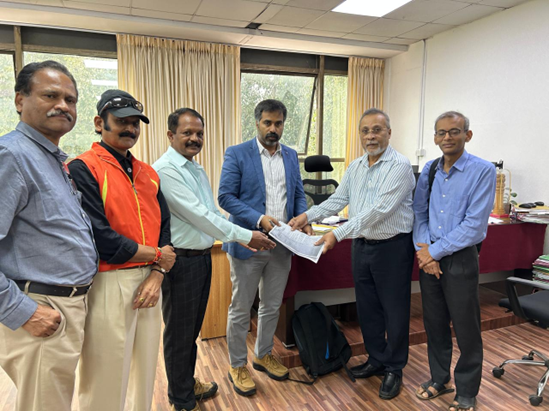
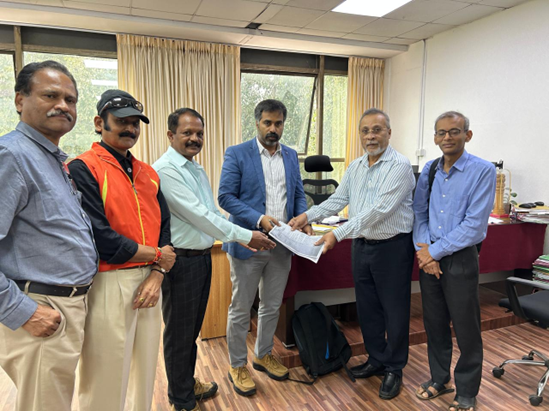
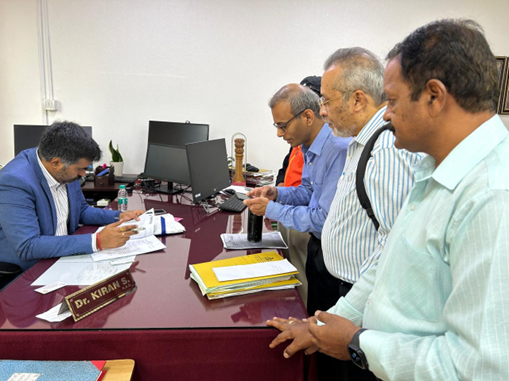
If kaluve were rejuvenated as per the survey report, by this time, our flooding problem would have been sorted out. Avalahalli lake also would have water supply.’ Green Circle submitted a petition to the Yelahanka Tehsildar, under whose jurisdiction the canal lies. But the authorities were sitting on the file without any action. Panchayat officials expressed their inability to act. Four plot owners had given a petition to divert the canal. The canal passes through their plots. Green Circle ran from pillar to post to get the canal alive but in vain. Recently, Green Circle visited the Tehsildar. He informed them that the file has been transferred to the jurisdiction of the Asst Commissioner, Bangalore North. Green Circle team visited the office of Asst Commissioner, North Bangalore Dr Kiran, KAS and presented the case. He gave a patient listening to the team and ordered spot inspection to check the reality. ‘Soon we are expecting some action from the authorities. We will not leave any stone unturned to get the kaluve rejuvenated’ said Kumar Kalyandurg, Secretary of Green Circle. Vasantha Kumar, Biju, and Selvarajan were also present during the representation. Dr Kiran assured that the necessary steps would be taken. Once survey numbers show the canal path, there is no question of deviation. Green Circle members are pinning their hope on the survey report, and feel that it is a long-drawn-out battle.
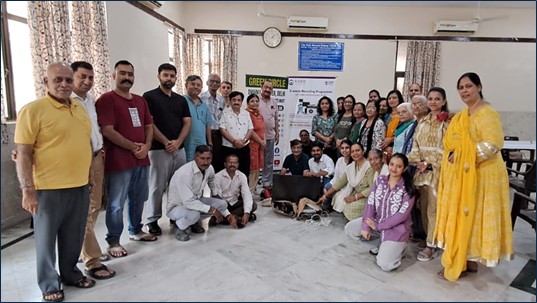
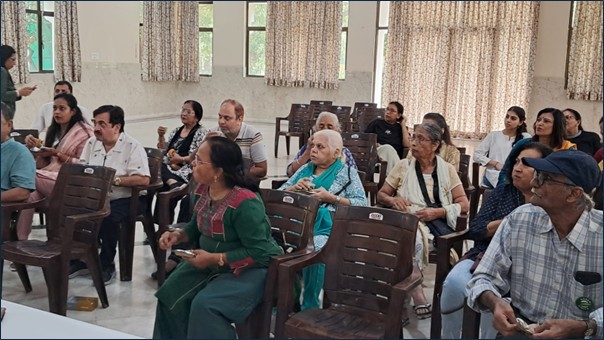
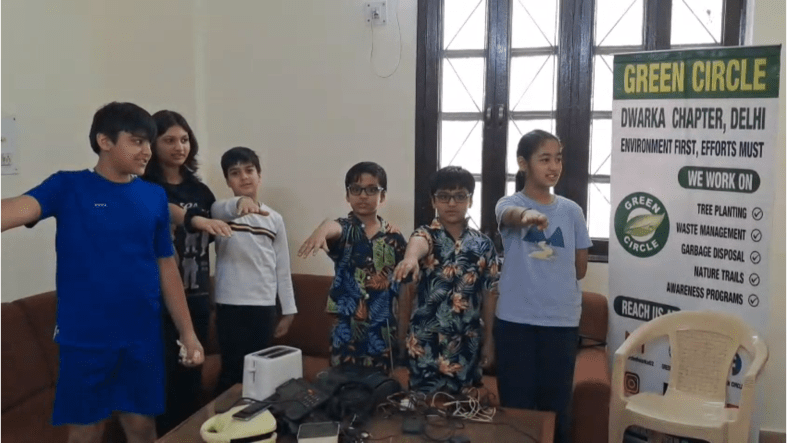
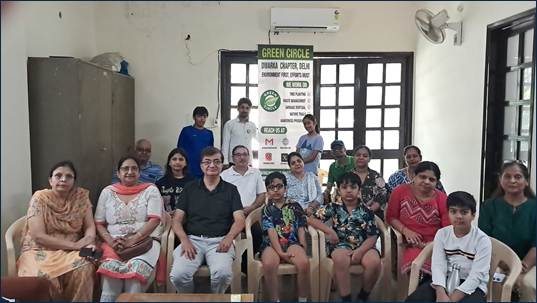
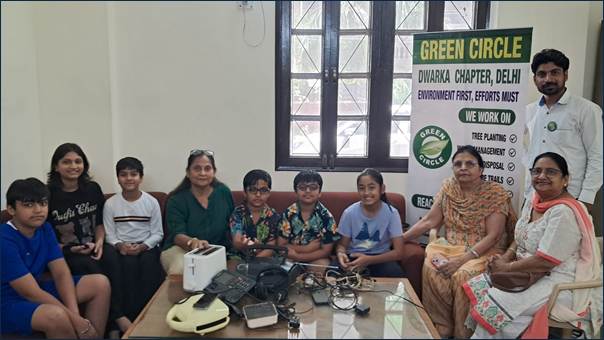
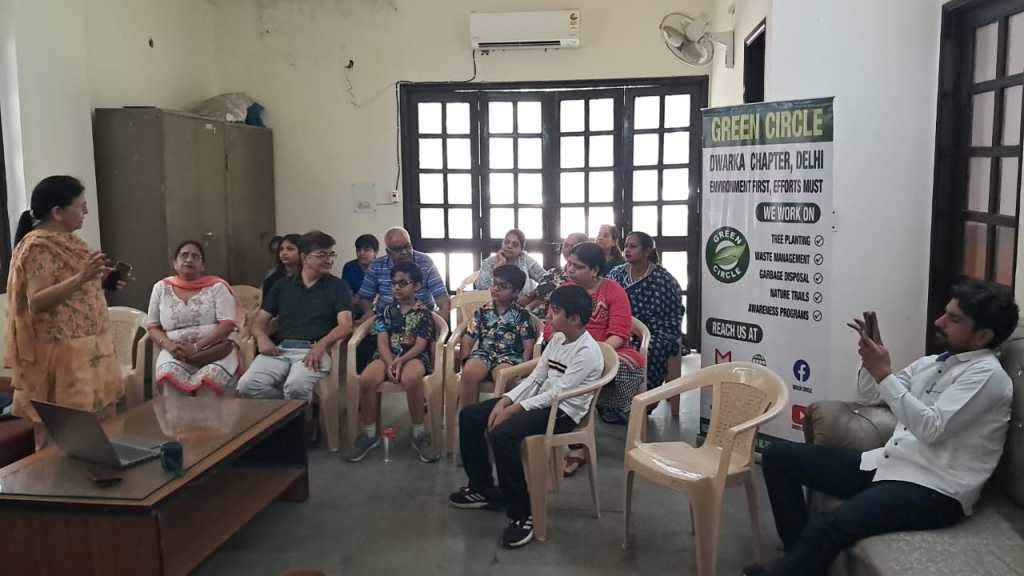
As part of our ongoing commitment to promote responsible e-waste management and environmental awareness, an awareness session was conducted at Happy Homes Society, organized by Ms. Romila Gandhi, the Delhi coordinator from Green Circle. The session saw active participation from around 40 residents, making it an engaging and community-centric event The session opened with a comprehensive overview of e-waste—its definition, environmental impact, and the crucial role each individual can play in managing it responsibly. The format encouraged active participation, allowing attendees to engage with the content and clarify doubts.
Participants gained insight into what constitutes e-waste, including everyday items like outdated phones, chargers, and electronic accessories, which require careful handling due to hazardous components. The hazards of informal e-waste collection, including health risks and environmental damage caused by unsafe handling and processing, were contrasted with the benefits of formal, regulated recycling processes that ensure safe disposal and resource recovery. The role of manufacturers and producers in managing e-waste through EPR frameworks was explained, highlighting accountability across the product lifecycle. The importance of segregation, regular collection, and active community participation in waste management practices was emphasized to promote a cleaner, healthier environment. The session witnessed vibrant interaction from residents, with thoughtful questions and shared experiences enriching the discussion. The immediate impact was evident as residents brought in e-waste items, contributing to a successful on-site collection. This hands-on involvement demonstrated the community’s commitment to adopting better waste management habits. Ms. Romila will coordinate with the society head to finalize the date for the collection. She will inform us once the schedule is confirmed, ensuring smooth and timely follow-up for further e-waste collection. The awareness session at Happy Homes Society was a significant step forward in fostering environmental consciousness and responsible e-waste disposal. The combination of detailed discussions, resident engagement, and the practical collection drive set a positive precedent for future initiatives. In the session, the upcoming Green Mela on 1.11.25 was also discussed, encouraging individuals to collaborate and contribute to this community event. Green Circle remains dedicated to supporting such community efforts, aiming to cultivate sustainable practices and collective environmental stewardship.
17th May 2025Venue: Nayantara Apartment, Sector 7, Dwarka, New Delhi
Introduction As part of our ongoing commitment to promote responsible e-waste management and environmental awareness, an awareness session was conducted at Nayantara Apartment, organized by Ms. Romila and Ms. Abha, the Delhi coordinators from Green Circle. This event aimed not only to educate residents about the importance of proper e-waste disposal but also to encourage sustainable practices in their daily lives. The session saw active participation from over 25 residents, including several children, making it an engaging and community-centric event.
Session Overview The session kicked off with an engaging introduction to the topic of e-waste—what it is, why it matters, and how individuals can make a difference. The interactive format helped capture the attention of both adults and children, leading to meaningful discussions and questions throughout the program. The key topics covered included. Understanding E-Waste: Participants learned that e-waste includes discarded electronic devices like old mobile phones, laptops, chargers, and more. These items often contain hazardous materials that can pollute the environment if not properly managed. Informal vs. Formal Recycling: Hazards and Benefits: Informal recycling practices, such as unsafe dismantling and burning of e-waste, pose significant risks to human health and ecosystems due to the release of toxic substances. In contrast, formal recycling methods ensure the safe recovery of valuable materials, reducing the need for new raw materials.
This not only supports resource conservation but also lowers the overall environmental impact. Carbon Footprint Reduction: Formal recycling also plays a key role in reducing greenhouse gas emissions by limiting the need for energy-intensive extraction and production processes. Role of Communities in Waste Management: Residents were encouraged to adopt environmentally-friendly waste disposal habits across all categories—electronic, plastic, organic, and paper waste. The importance of segregation at source and regular collection drives was discussed. Initiatives to Reduce Plastic Waste: We also discussed the plastic-management initiatives by various stakeholders and we also discussed regarding proper-recycling of plastics as well. Community Engagement and Interaction The session stood out for its high level of participation and enthusiasm, especially from children, who showed keen interest and asked several thoughtful questions about recycling and sustainability. A short group discussion added a fun and interactive element to the event. Notably, residents brought e-waste from their homes, resulting in the collection of approximately 4–5 kilograms of e-waste during the event itself—demonstrating immediate action following the awareness session. In addition to e-waste, the conversation also extended to broader environmental concerns, such as plastic pollution, water conservation, and the importance of green spaces in urban areas.
E-Bin Initiative Following the session, the residents’ welfare committee placed a carton box within the apartment premises to collect e-waste. The initiative was well received, and residents have already started dropping off their e-waste, marking a positive step toward responsible disposal. Conclusion The e-waste awareness session at Nayantara Apartment was a resounding success. With strong resident engagement, active participation from children, and immediate e-waste collection, the event achieved its goal of initiating positive change. This session not only increased awareness but also fostered a sense of collective responsibility toward environmental sustainability. The Green Circle team is hoped to continue organizing such impactful events in the future, helping to sustain momentum and inspire ongoing commitment to responsible waste management and environmental stewardship.
Down to Earth care needed – Green Circle Chairman Dr V Selvarajan
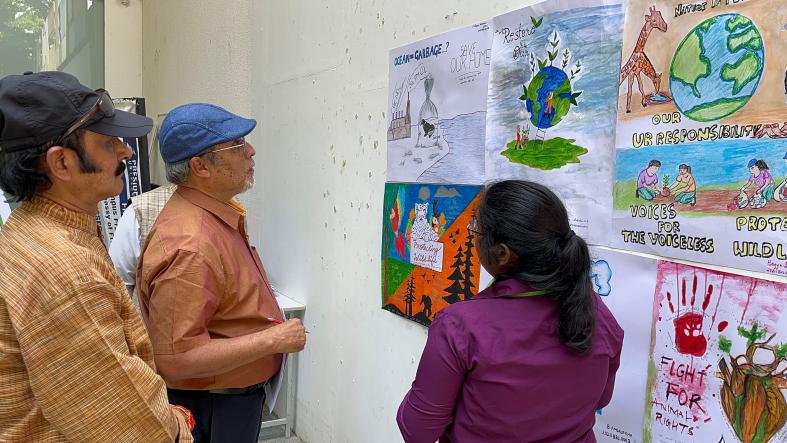
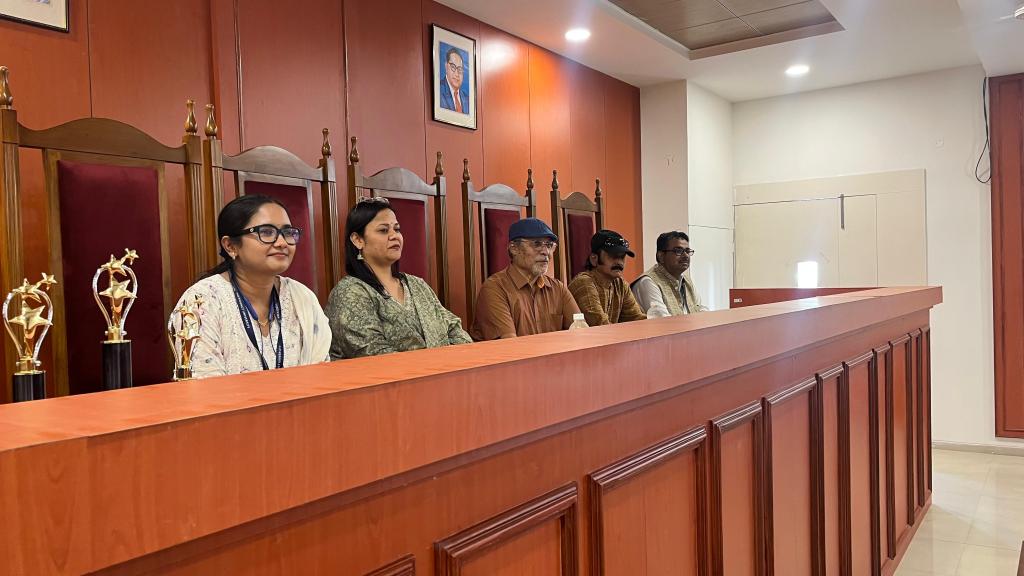
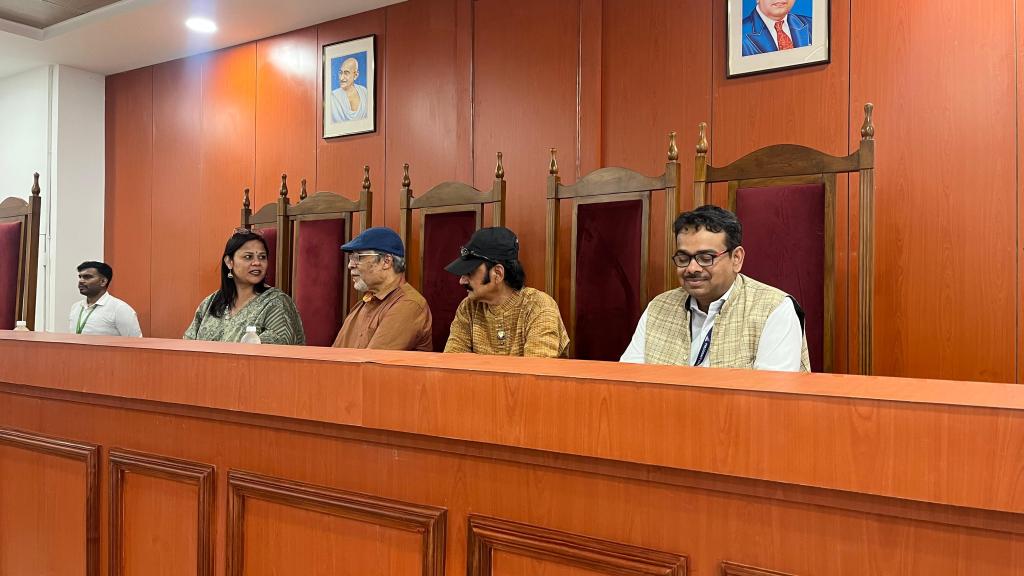
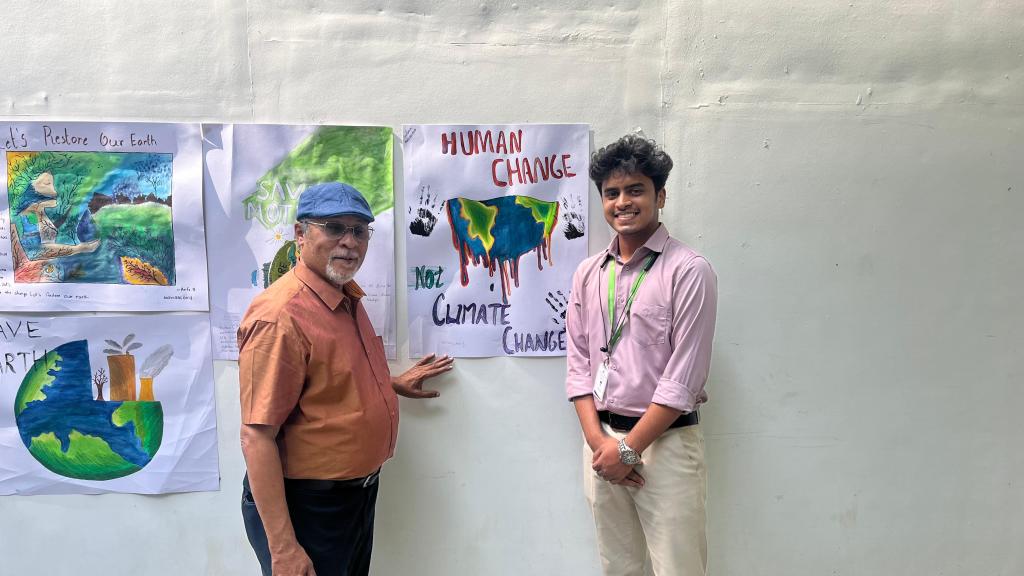
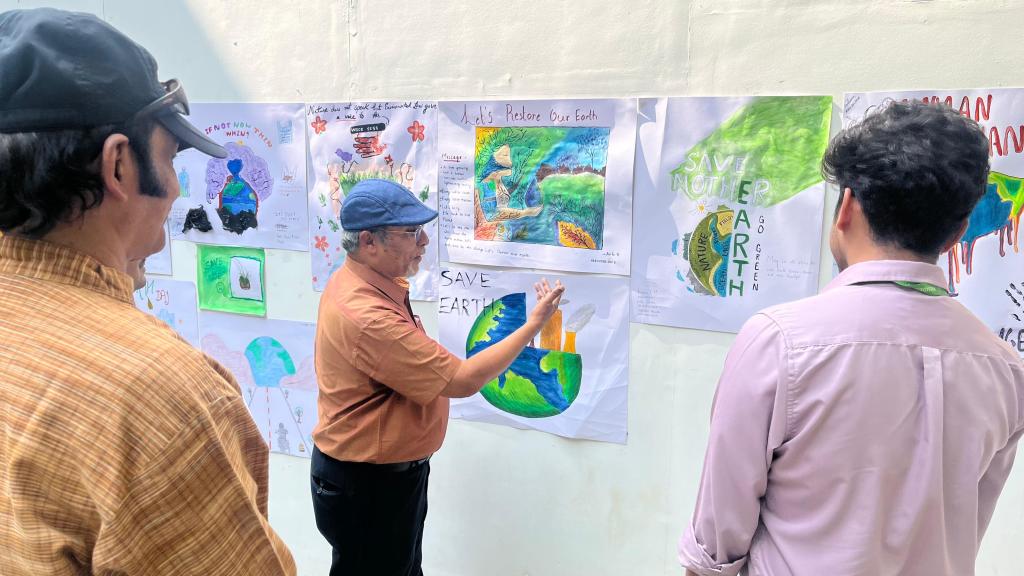
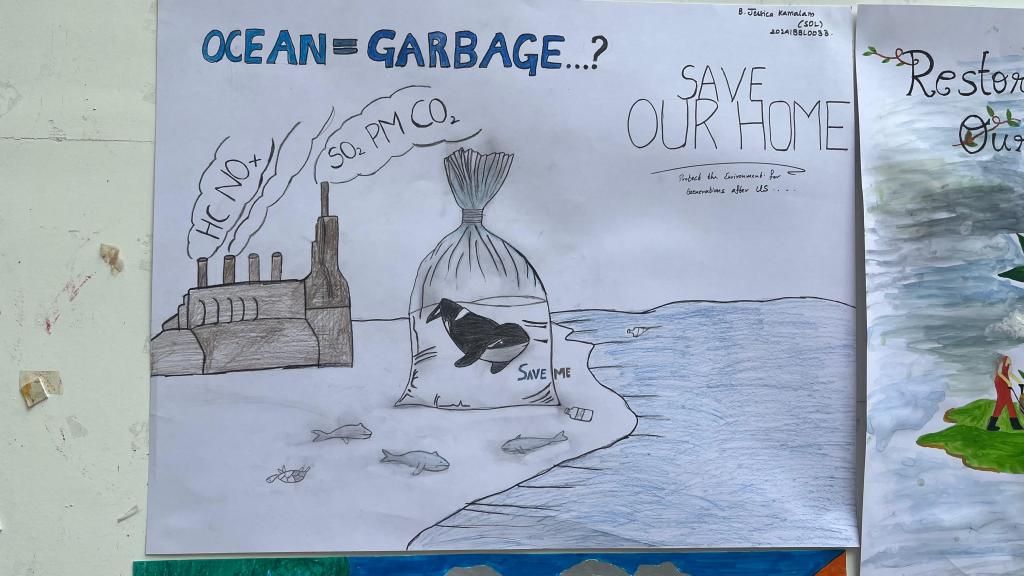
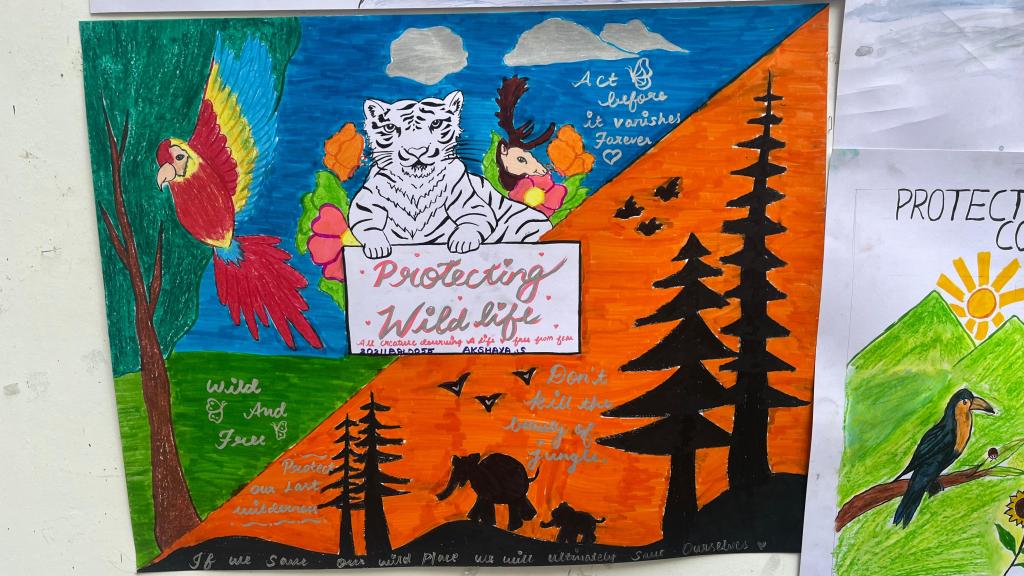
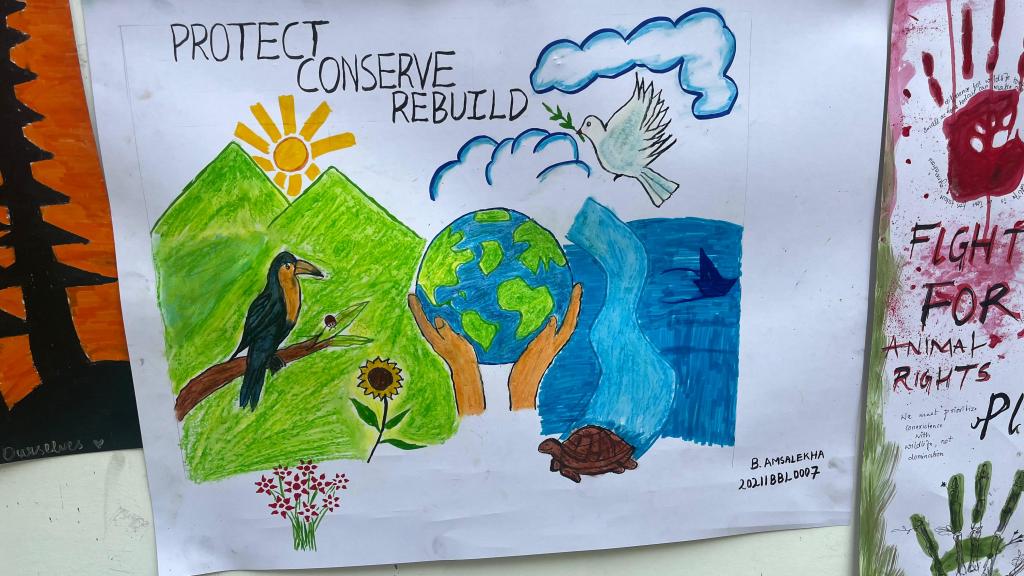
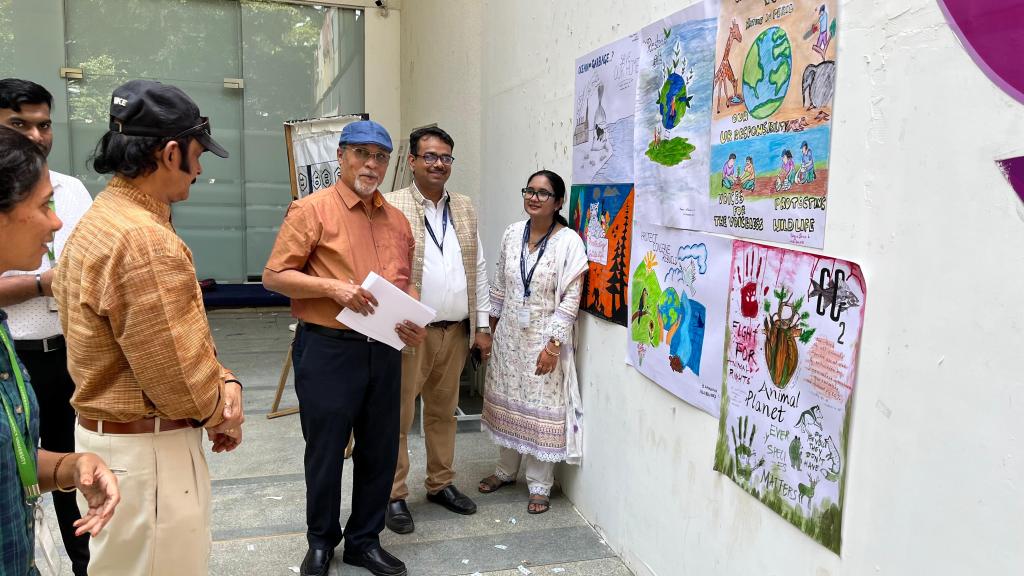
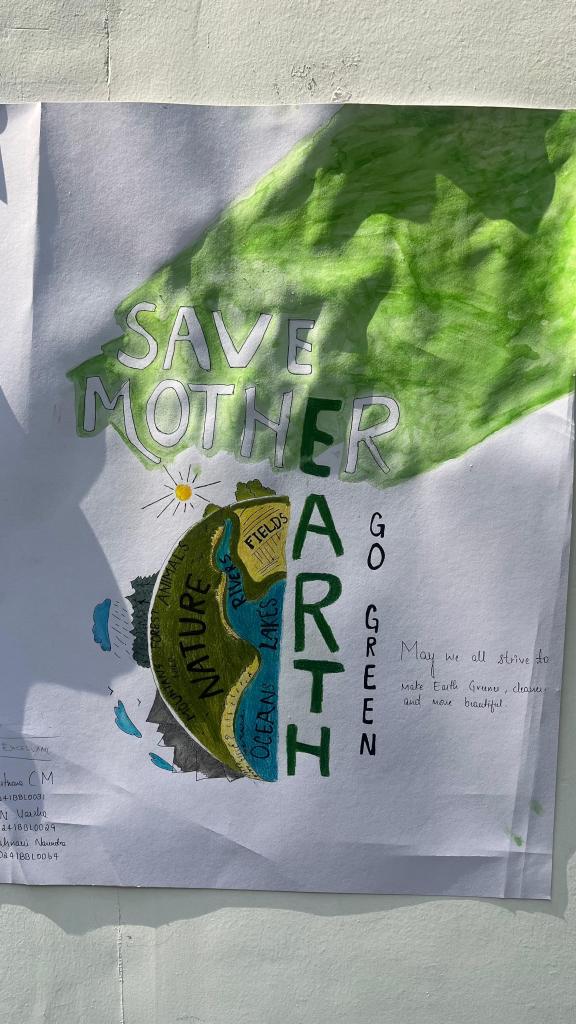
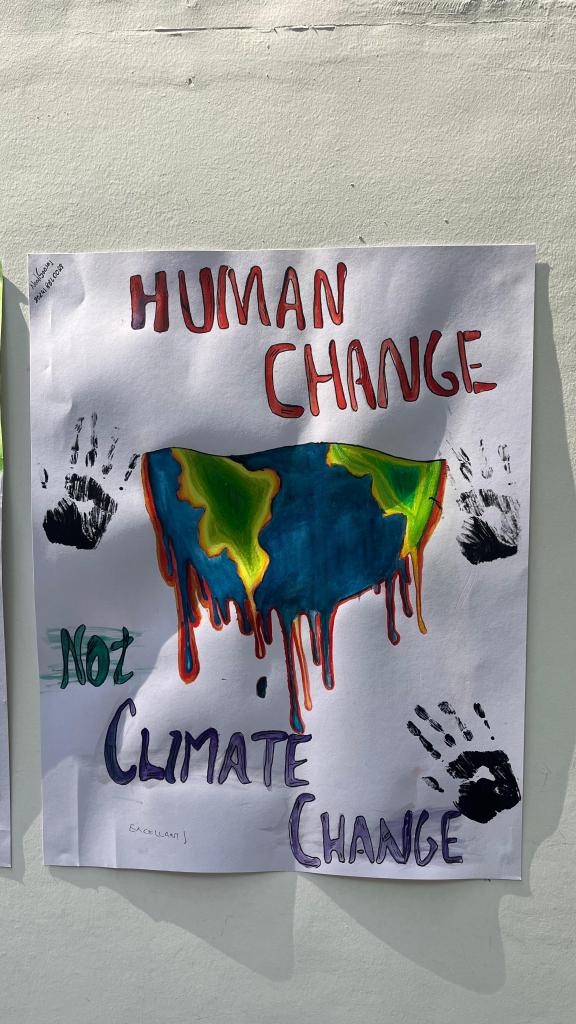
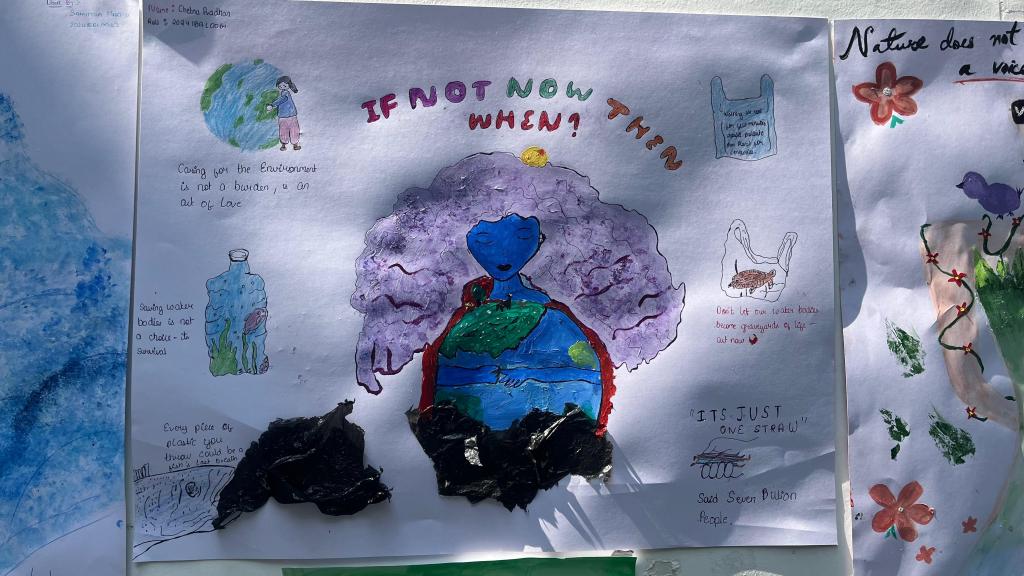
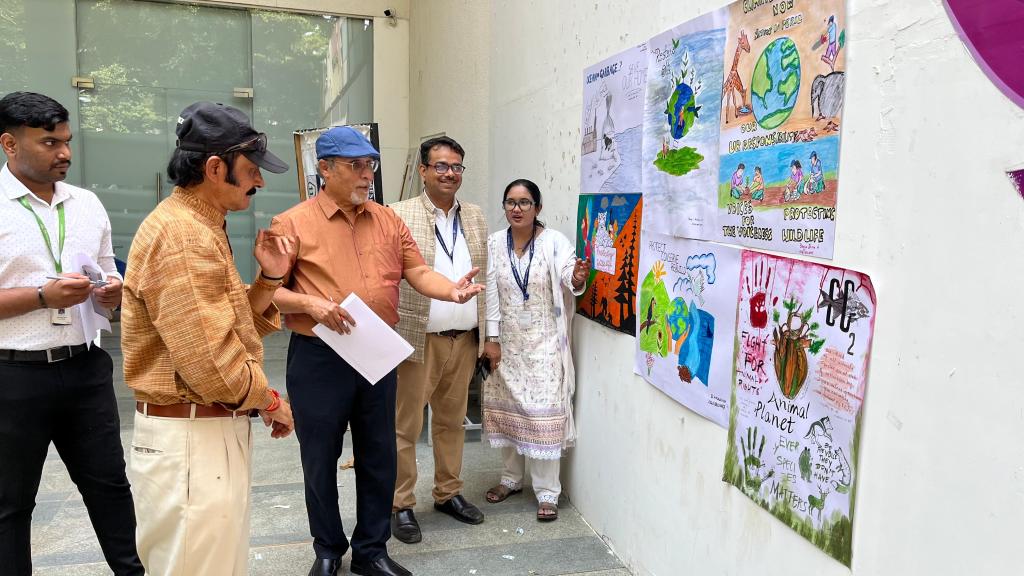
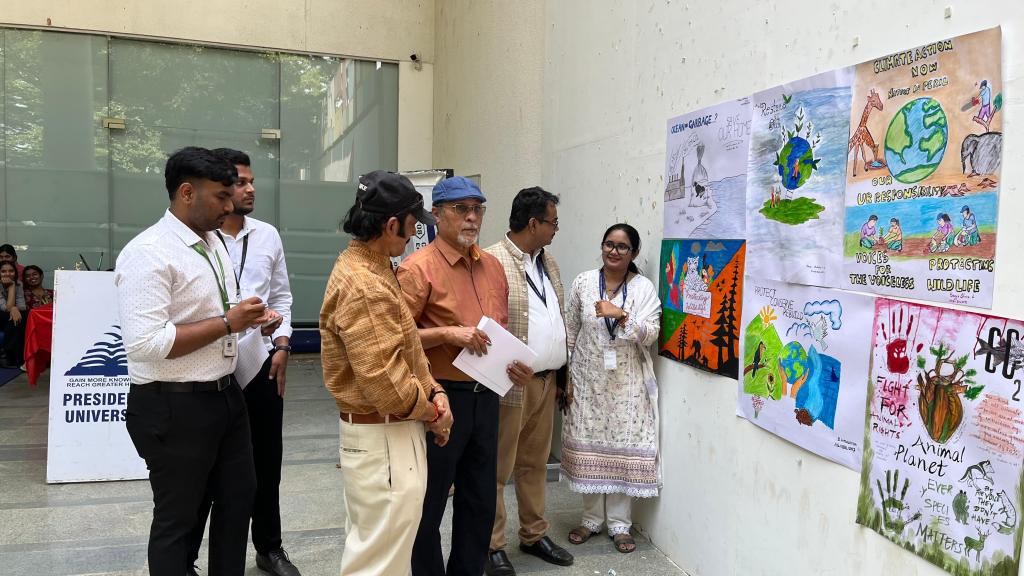
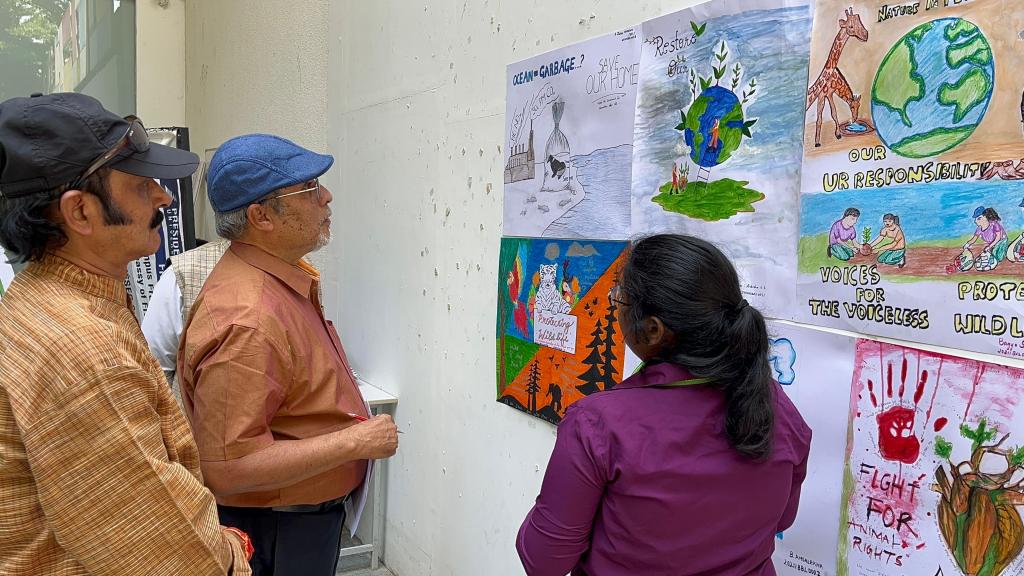
Presidency School of Law conducted an intra-university poster-making competition titled ‘Art for Earth‘. This was to celebrate Earth Day on April 22, 2025. The theme for this year was “Our Power, Our Planet“. This initiative aimed to combine artistic expression with environmental advocacy. It sought to foster a culture of awareness among the youth. It also aimed to instill responsibility in them. The key resource person for the event was Dr. V. Selva Rajan, an environmentalist. A good number of participants attended the event. They designed compelling and thoughtful posters. These highlighted the role of legal frameworks in fostering sustainability. The competition served as an educational tool. It was also an advocacy tool. Students transformed complex legal and social theories into compelling visual narratives. Dr. Saroj Sharma Dean, School of law, welcomed the gathering. This event was coordinated by Dr. Mohd Saleem, Associate Professor, and Ms. Toshali Pattnaik, Assistant Professor.
The report of the Presidency University School of law is given in the link. Click the link below to view.
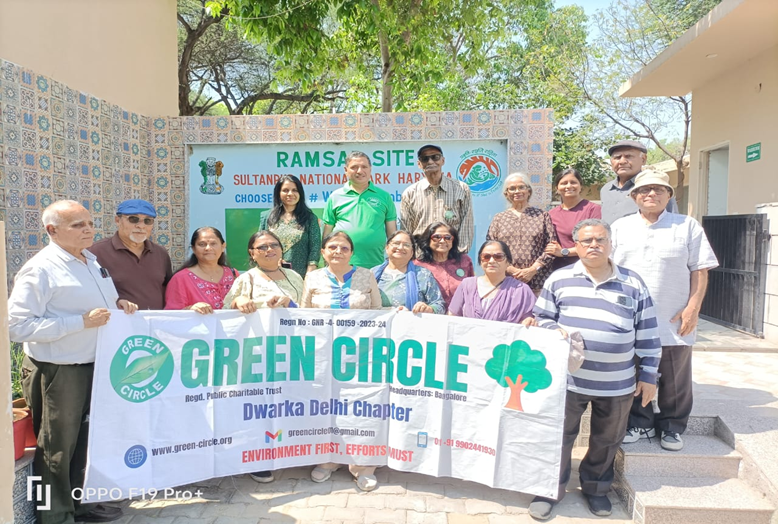
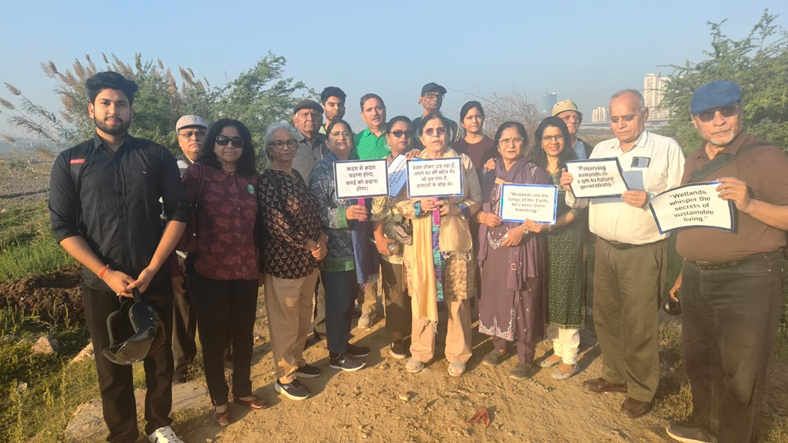
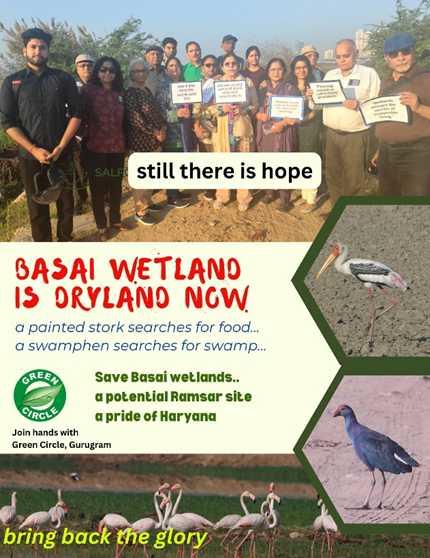
Green Circle, Dwarka Chapter, organized a walk at Basai Wetlands to highlight the urgent need for conservation. This wetland is home to thousands of migratory birds. 20 members from Green Circle Dwarka visited Basai Wetlands. It is located adjacent to the Dwarka Expressway. They assessed the current condition of the site. Basai Wetlands is a globally recognized birding hotspot. It has been considered one of India’s Important Bird Areas (IBA) by Birdlife International for a long time. It supports around 20,000 migratory and domestic birds belonging to 295 species, according to the website ‘eBird International.’
The walk was led by Selvarajan, Chairman of Green Circle. Participants raised slogans and held placards to draw attention to the poor status of the wetlands. Romilla Gandhi, who organized the walk, emphasized the need for immediate action as the marshland is almost dried out. She urged members to help rejuvenate the waterbody and highlighted that the wetlands are only 10 minutes away from Dwarka. Green Circle intends to advocate for the wetlands’ protection with the Haryana government. Gaurav is an activist in the Basai Wetlands conservation movement from Gurugram. He noted that hundreds of bar-headed geese, wagtails, sandpipers, and godwits used to visit the wetlands during winter. These birds are now rarely seen. He pointed out that untreated and polluted sewage water now reaches this unique wetland, which once had clean water. Muralidhar, another member of Green Circle, recalled that 25 years ago, Basai was frequented by massive flocks of bar-headed geese. These birds migrated from Mongolia and China. The journey involved crossing the Himalayas in temperatures as low as minus 40 degrees Celsius during winter. Nowadays, these birds are seldom spotted.
Selvarajan stated that wetlands are crucial for the ecosystem, not only for protecting birdlife but also for recharging groundwater. He emphasized the importance of raising awareness among locals about the wetlands’ significance. Gaurav added that the ‘Save Basai Conservation Movement’ will form a core committee. This committee will highlight the wetlands’ vulnerability. It will engage with the Haryana government for their preservation. It was decided to send a petition to the Haryana government to advocate for the protection of wetlands. After the walk, Green Circle members visited Sultanpur National Park. They observed the successful conservation of the park as a birding hotspot.
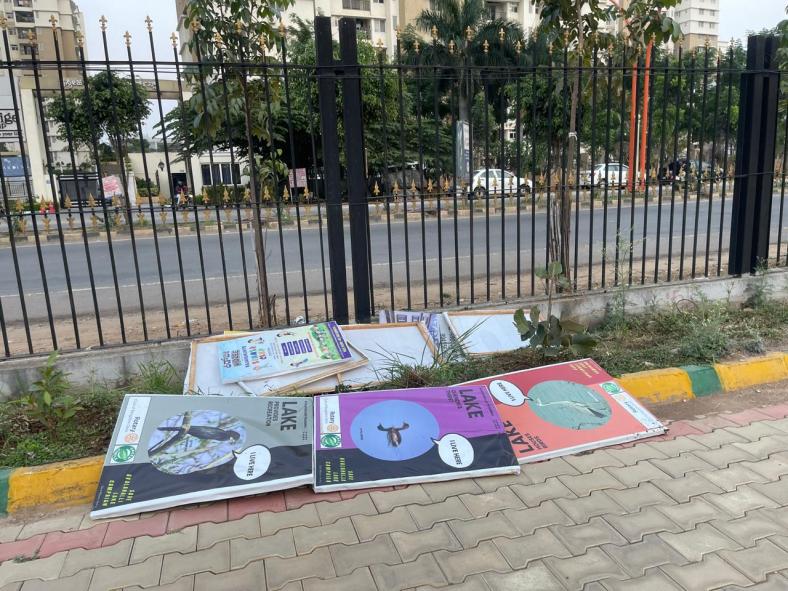
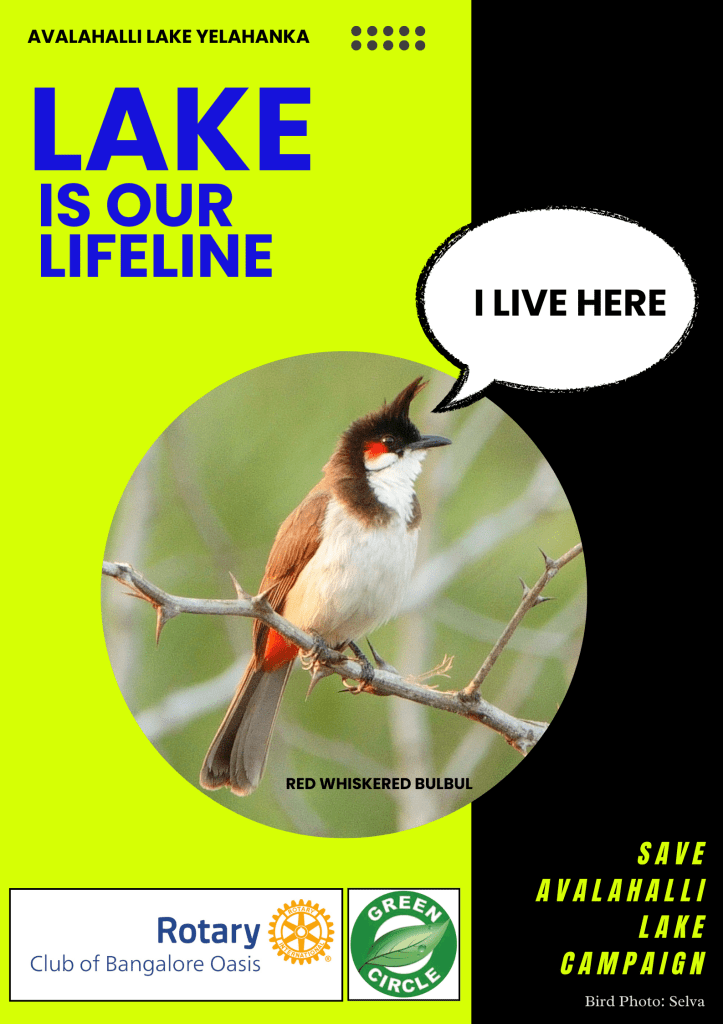
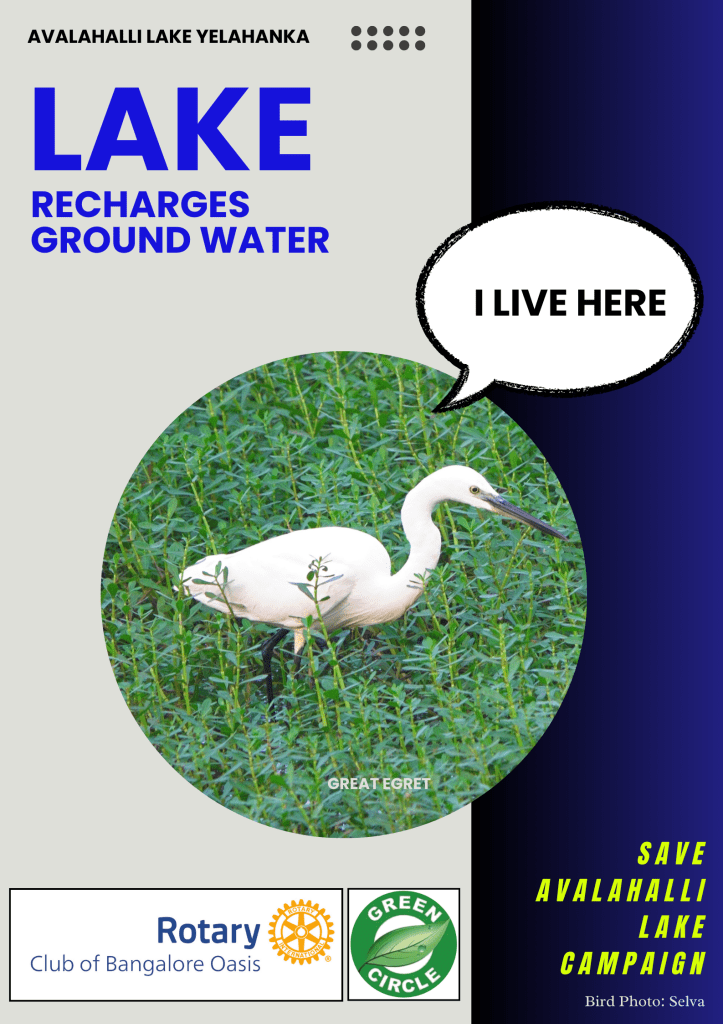
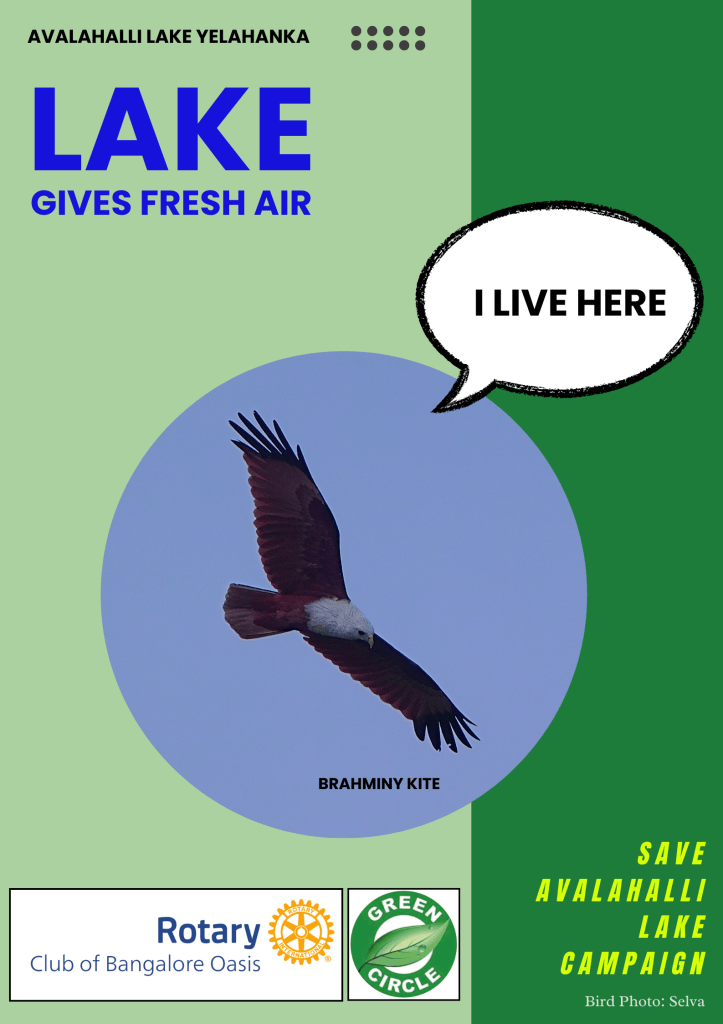
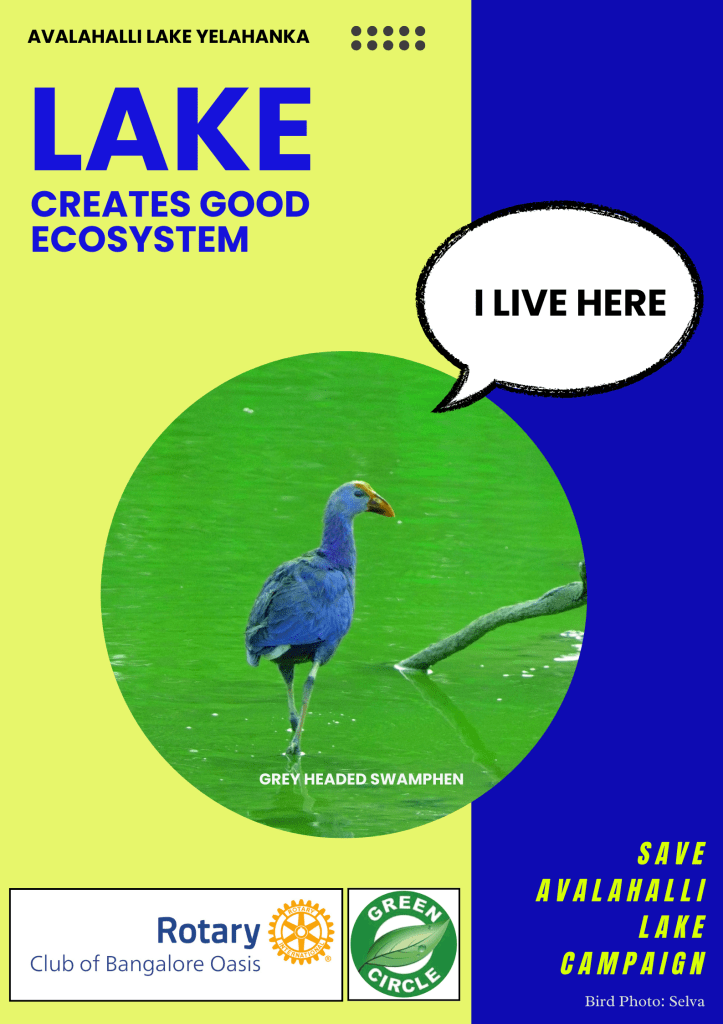
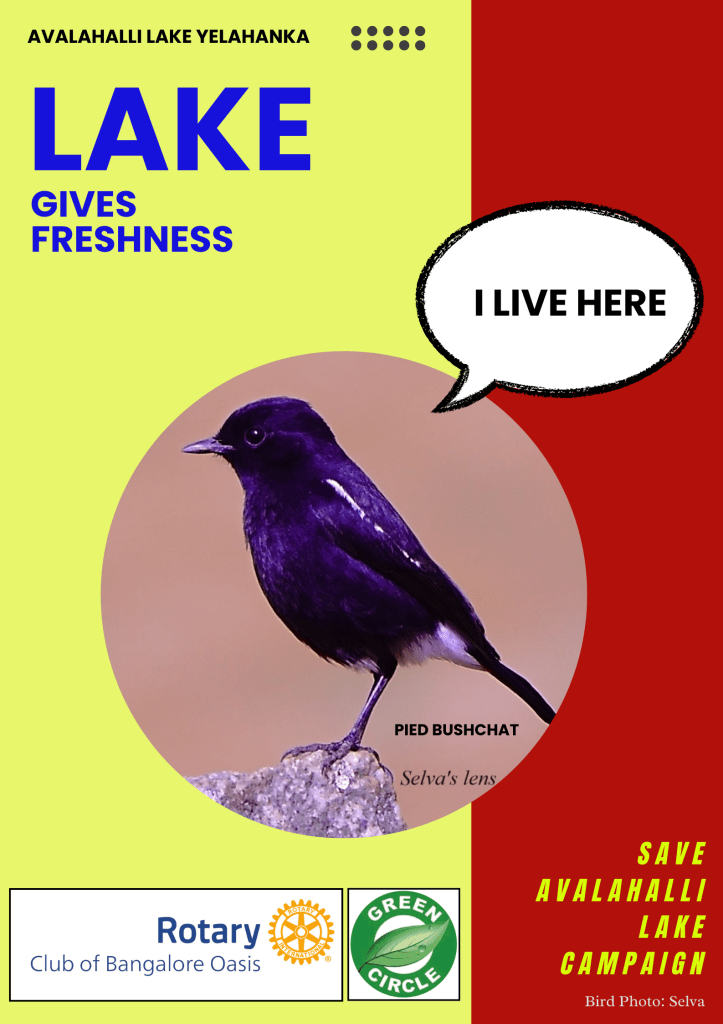
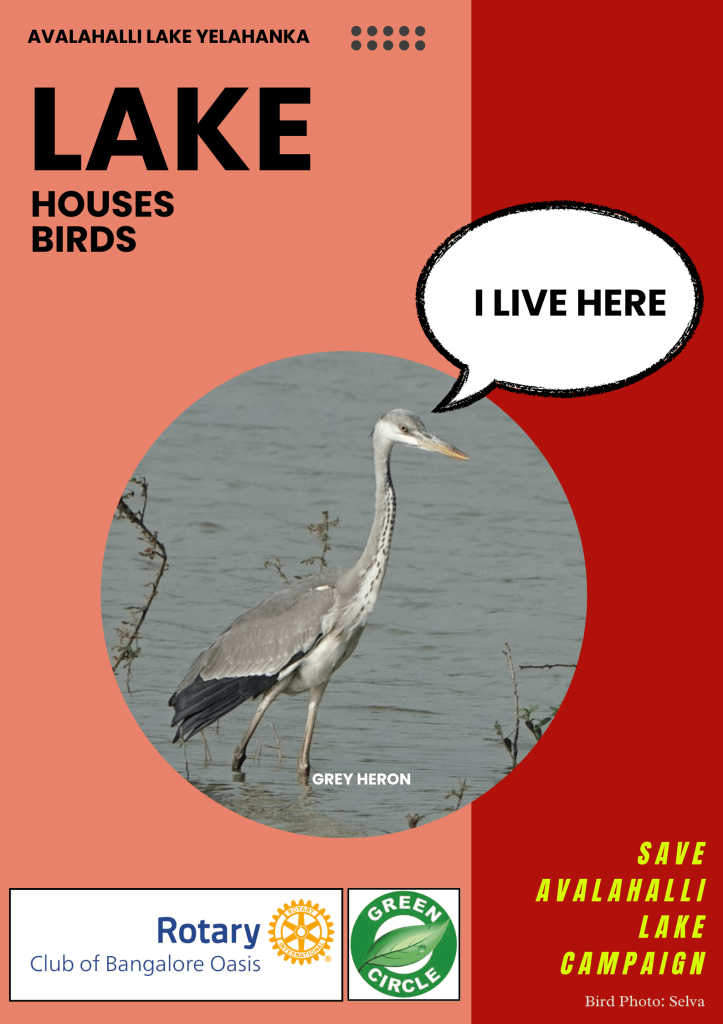
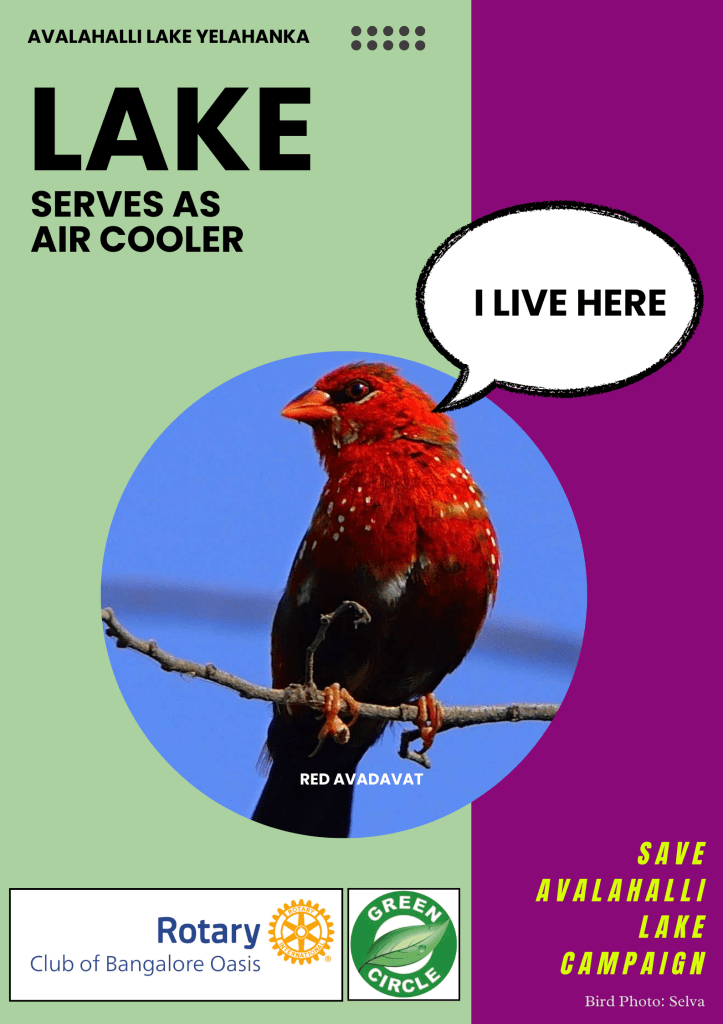
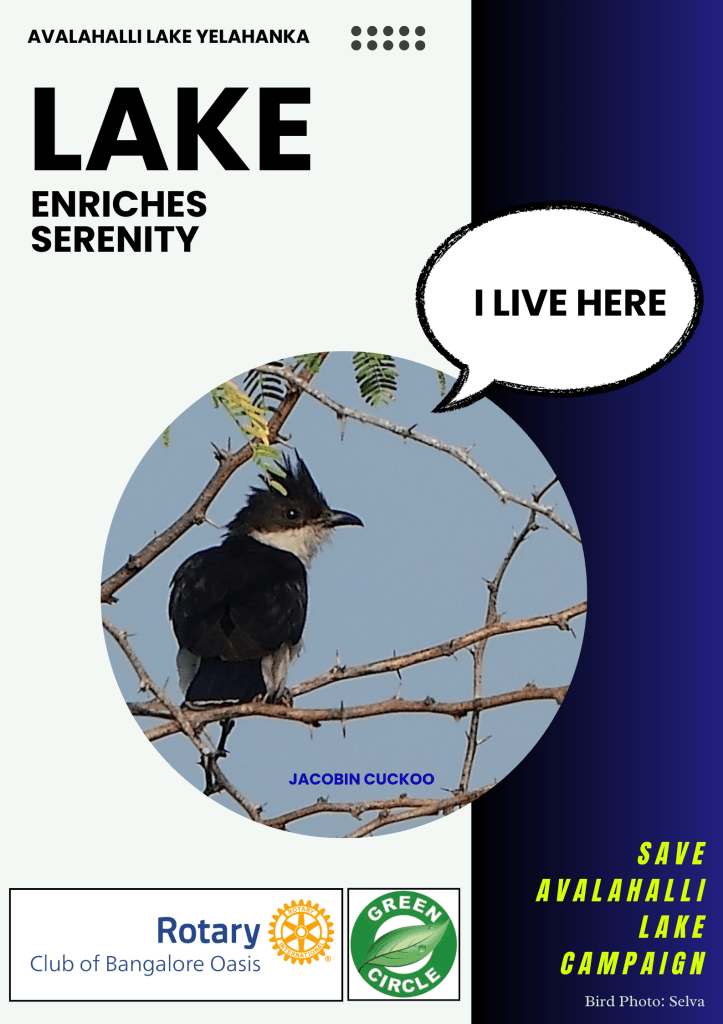
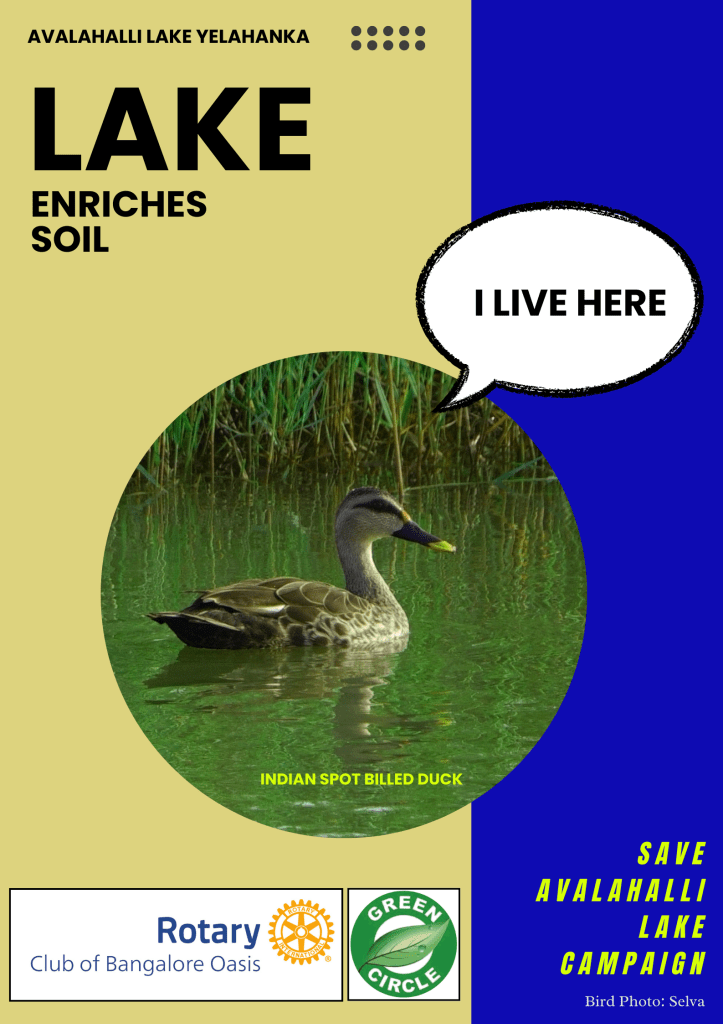
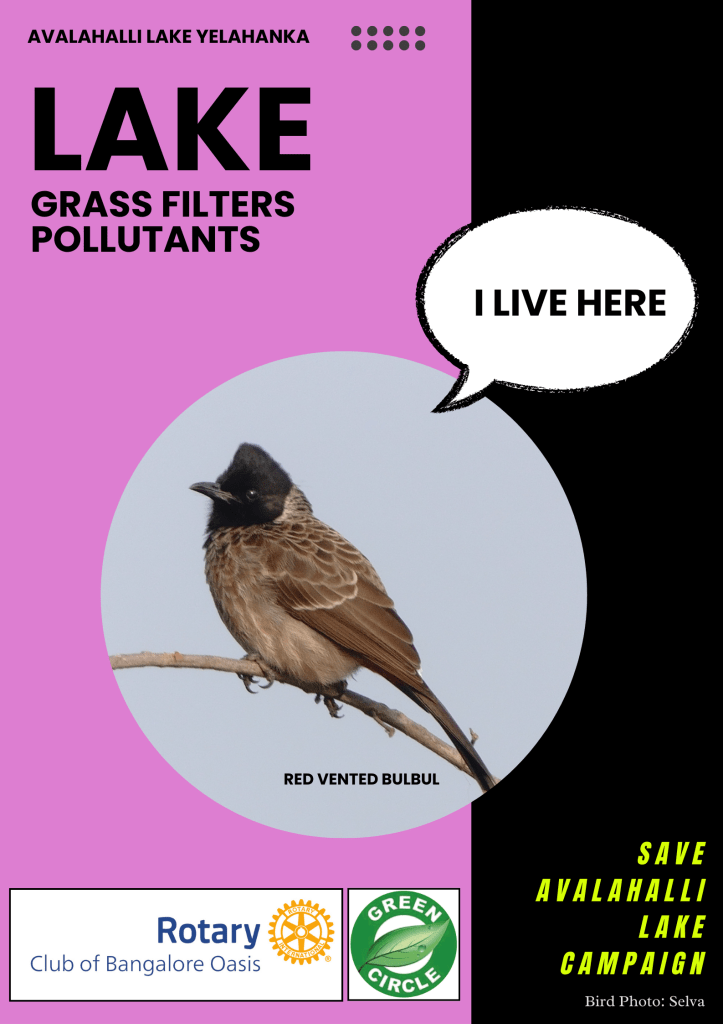
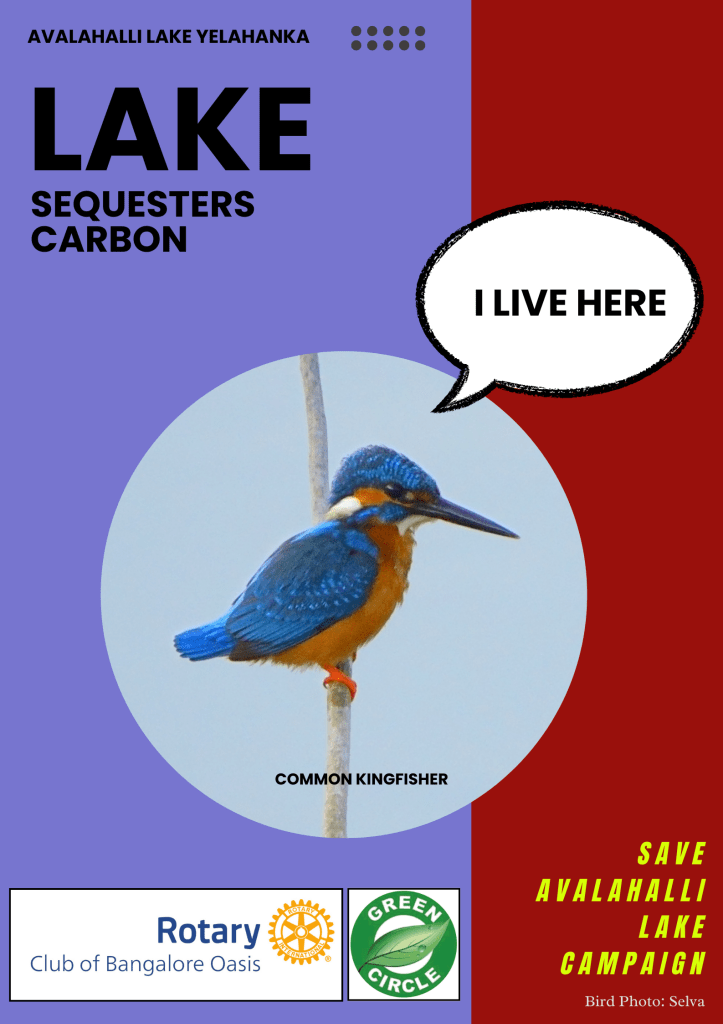
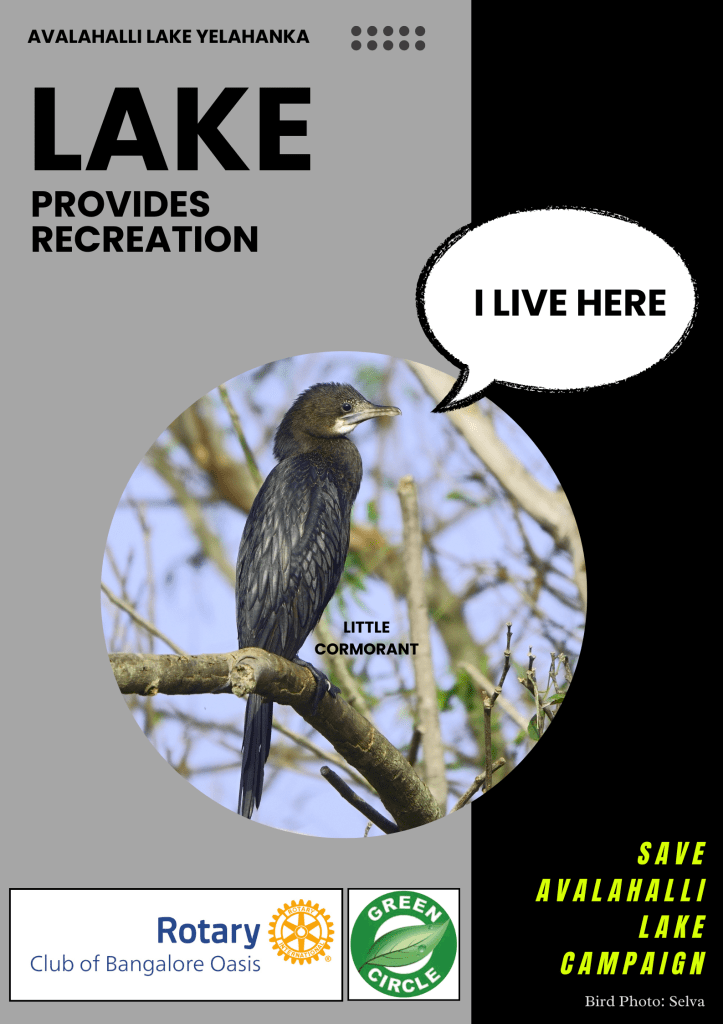
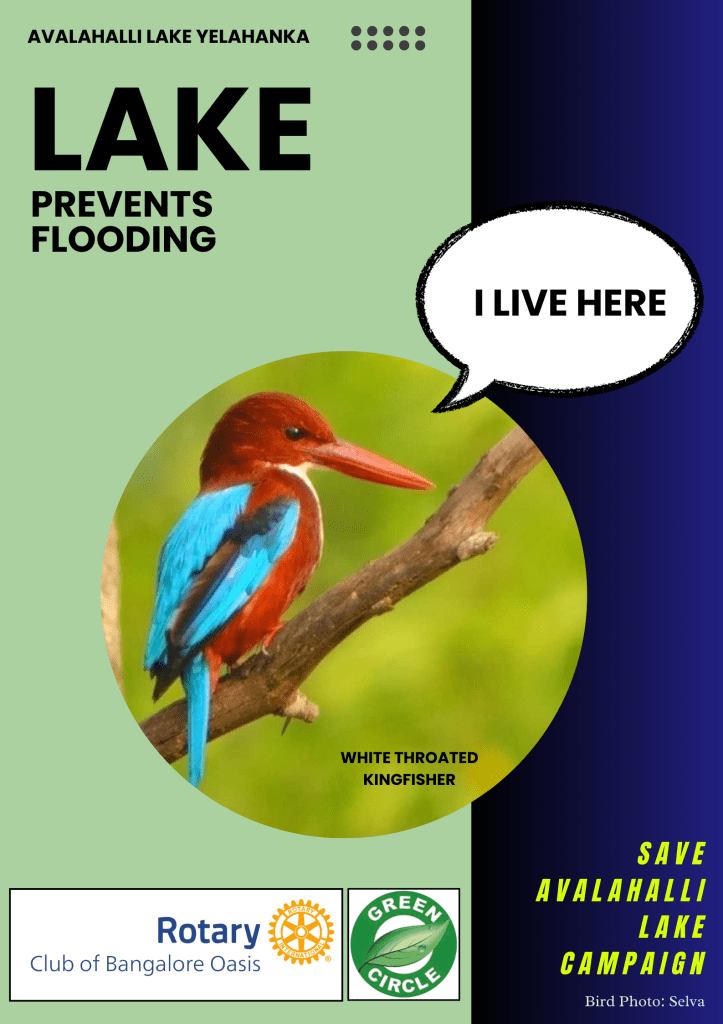
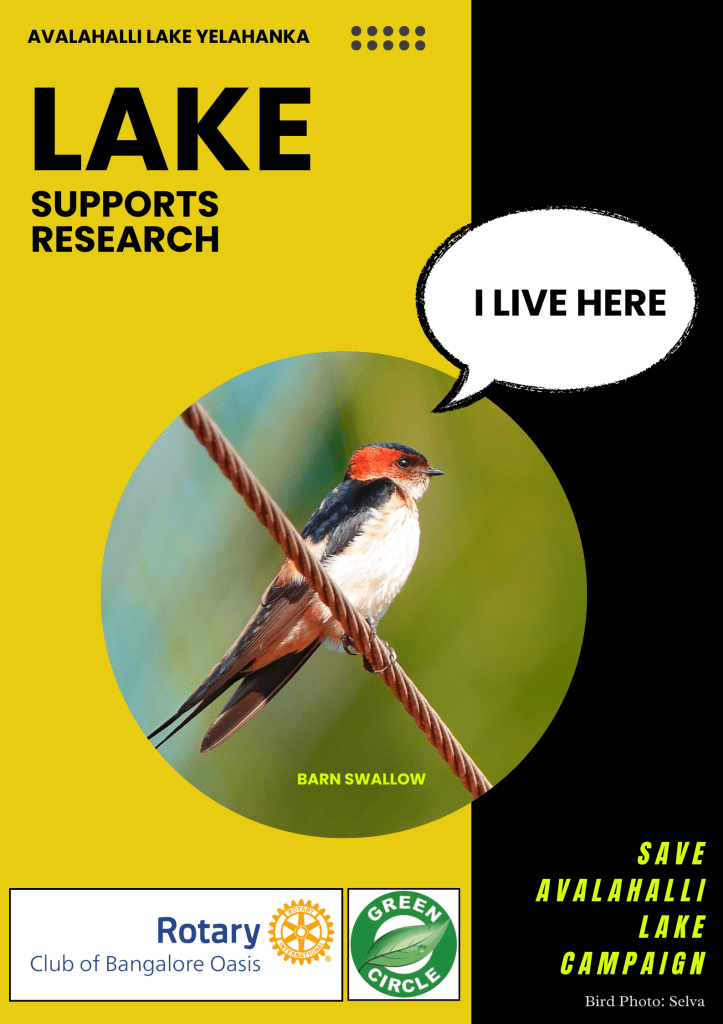
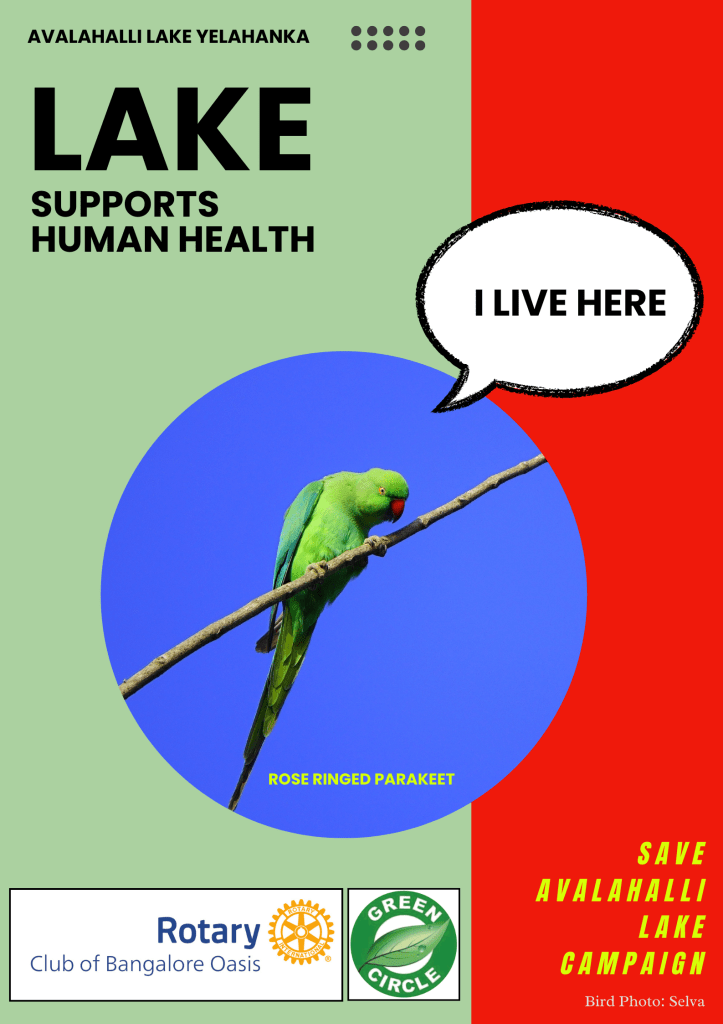
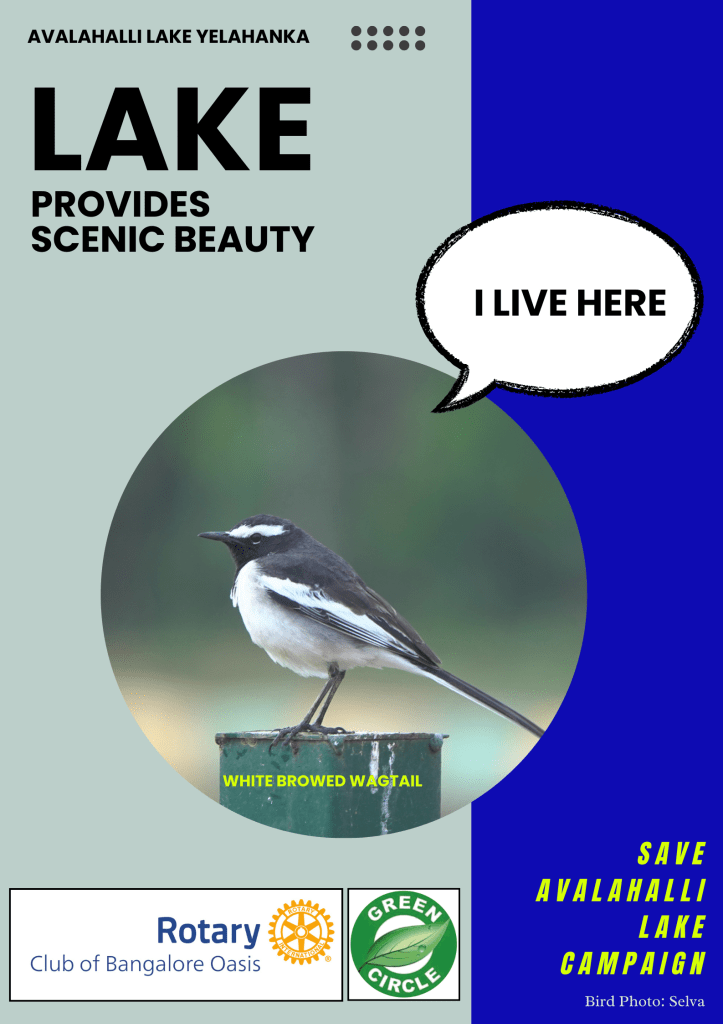
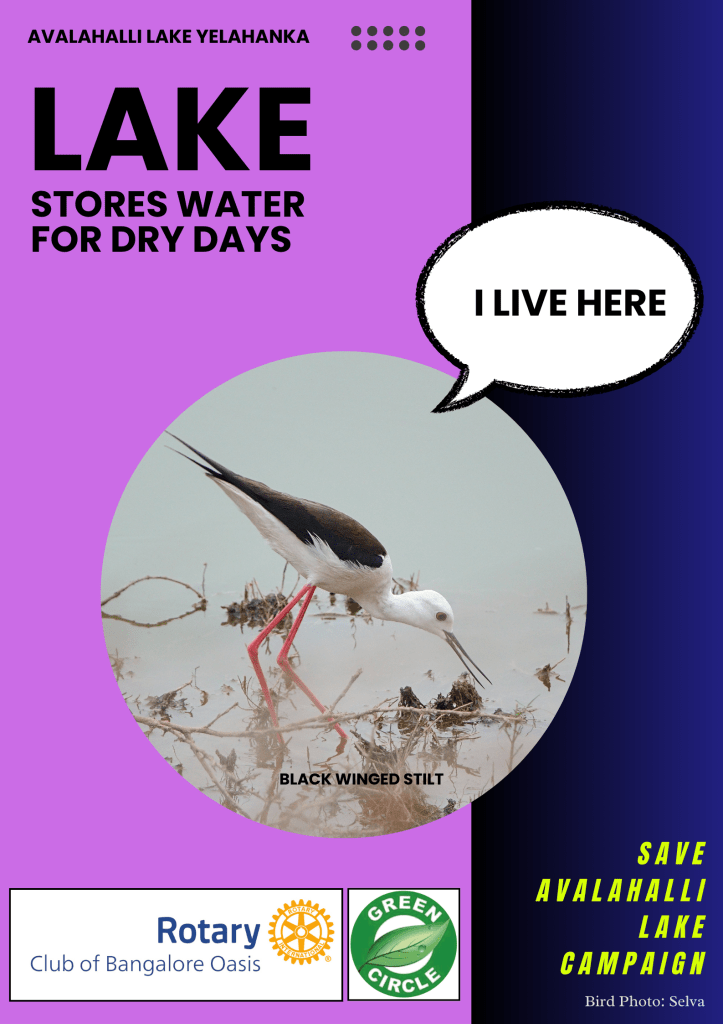
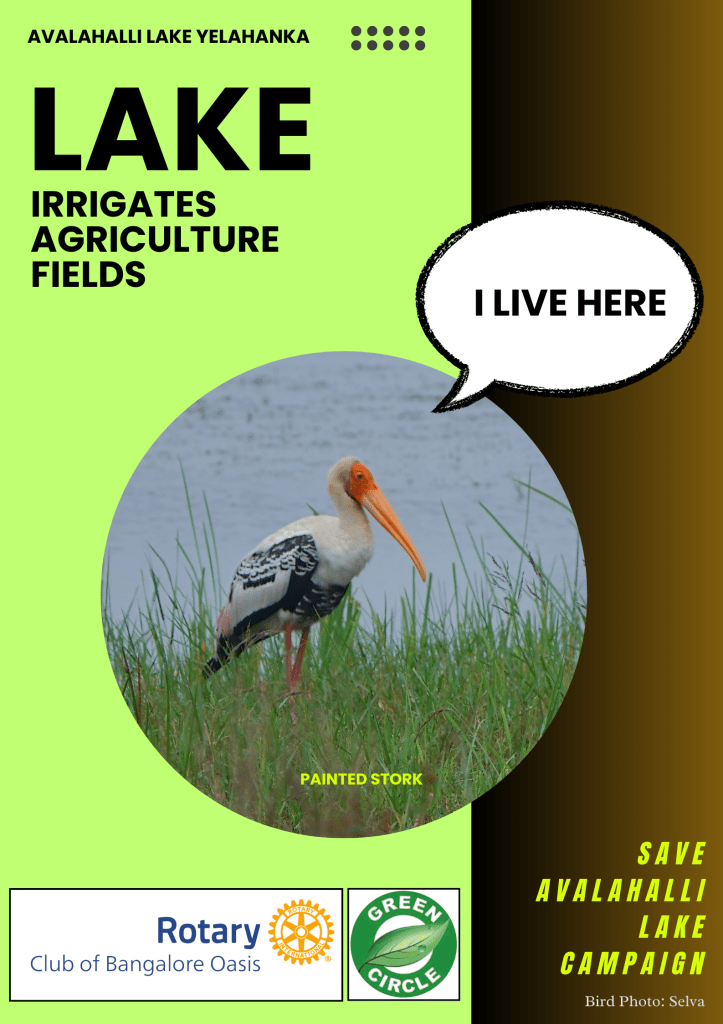
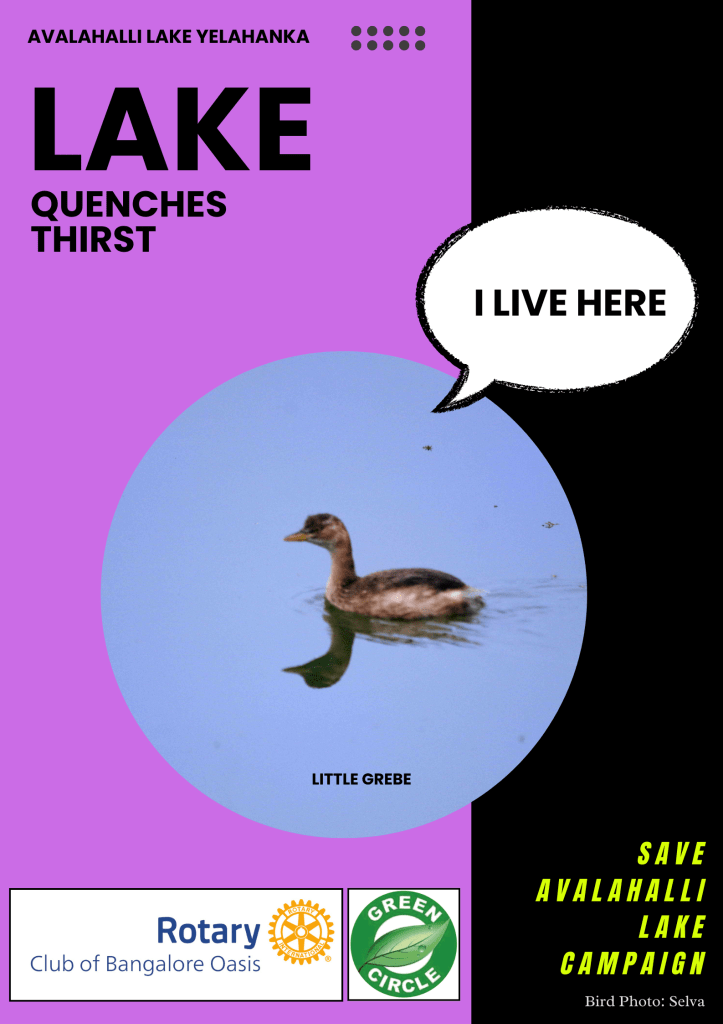
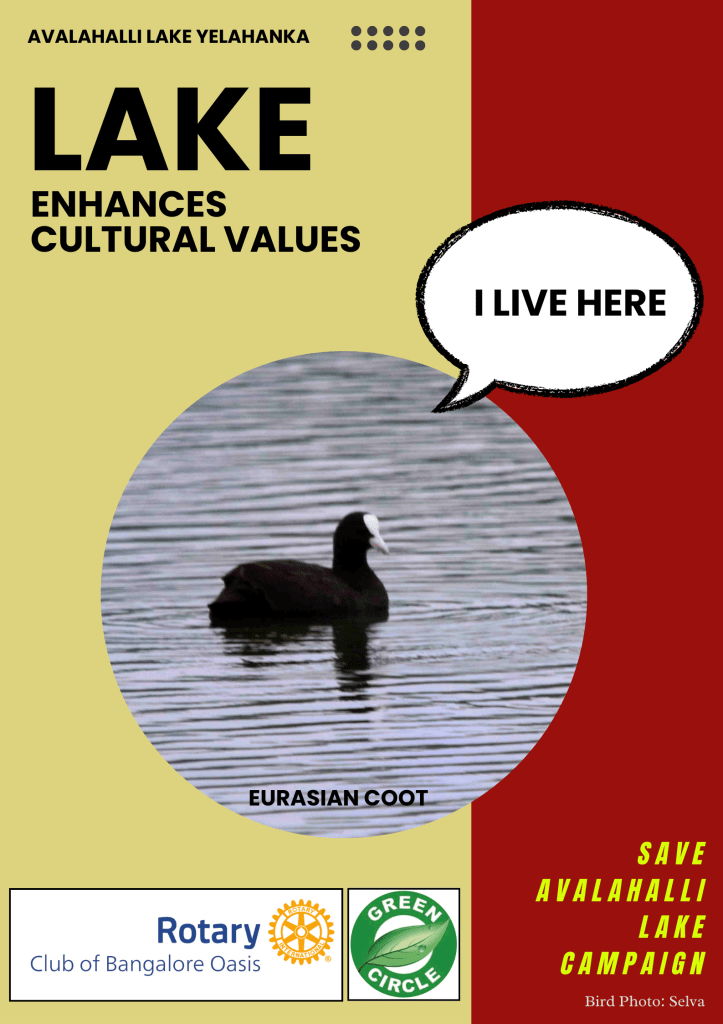
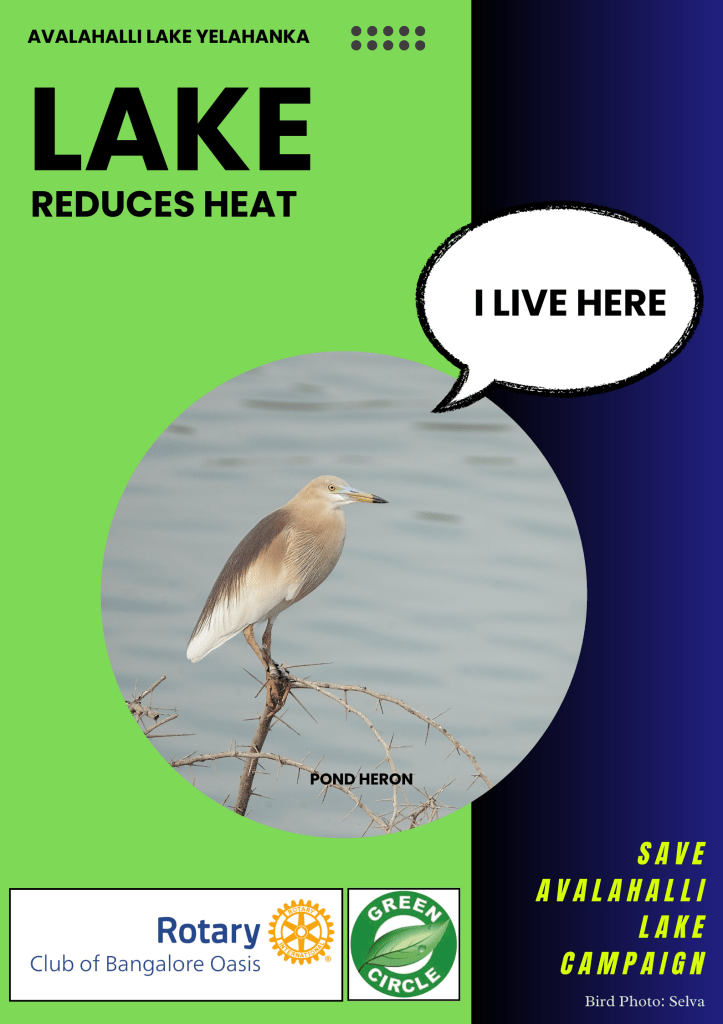
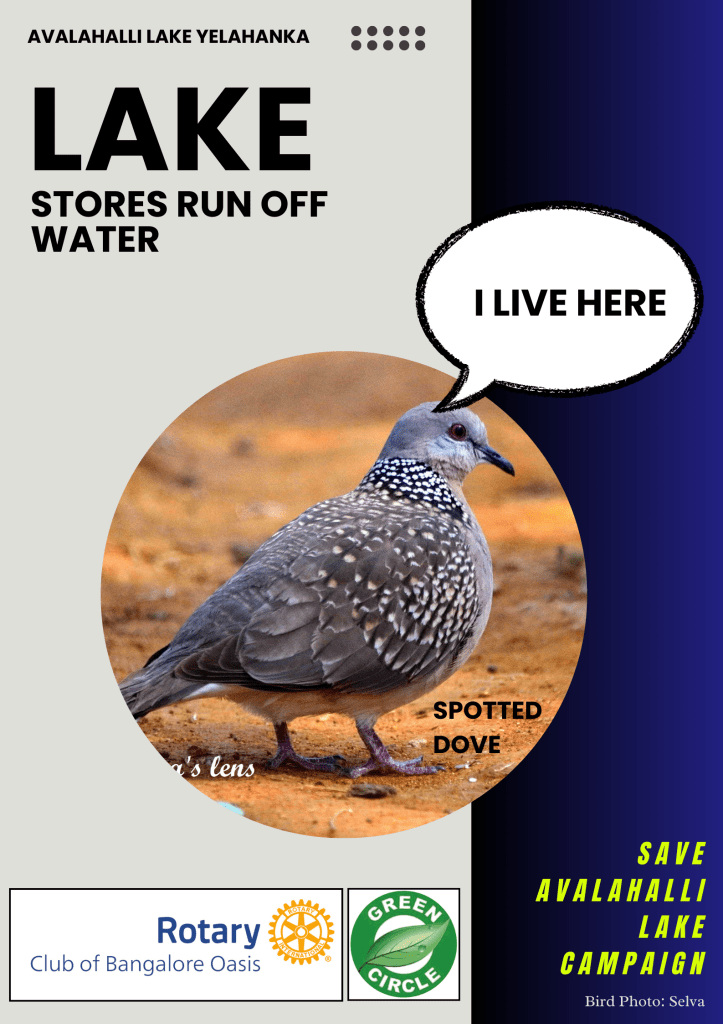
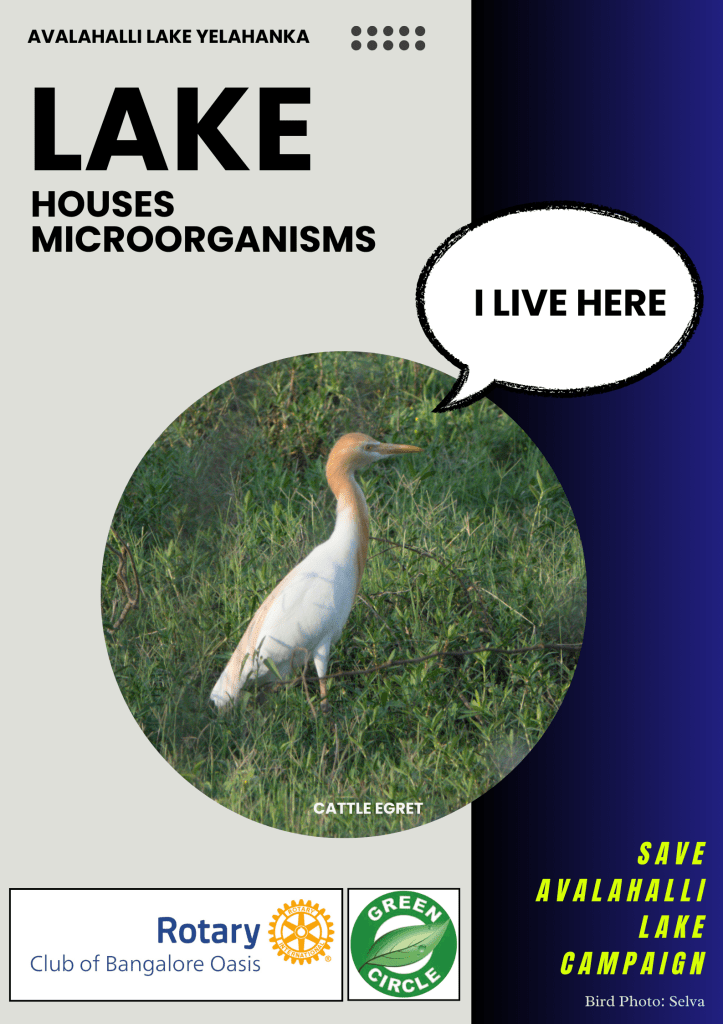
Green Circle, with the Rotary Oasis club, has displayed 24 posters at Avalahalli Lake. These posters attracted positive comments from lake walkers. The posters were displayed on 12th Feb 2025. But all these posters were removed by mindless labourers of BBMP who thought that these posters as commercial advertisements. We have taken up the matter with BBMP but they have no valid reasons to offer. Please have a look at the posters to see the message they conveyed. All the birds in the posters were clicked at this lake, and the messages were for lake conservation. If the authorities do not understand the importance of these posters, imagine how they would treat the lake

 GREEN CIRCLE